

By SCM Health Desk I Monday, August 18, 2026
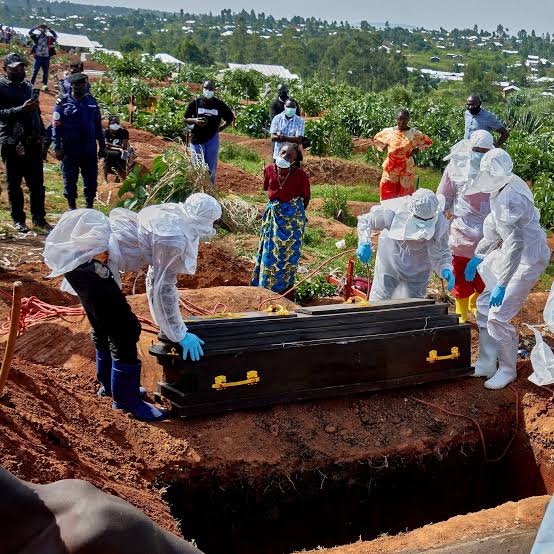
KINSHASA, Democratic Republic of Congo — The deadliest Ebola outbreak in the Democratic Republic of Congo’s history has officially eclipsed all previous national records, public health officials confirmed. Driven by a rare, aggressive strain of the virus for which no licensed vaccine currently exists, the epidemic has killed more than 2,300 people since mid-May, according to official data released by Congo’s health ministry.
United Nations humanitarian officials described a catastrophe moving faster than global containment responses. Tom Fletcher, the UN Emergency Relief Coordinator, stated that the virus is now claiming approximately one life every 30 minutes, prompting an immediate emergency allocation of $30.5 million in international relief funding.
The World Health Organization (WHO) warned that response teams are struggling to keep up. “We are chasing the virus; the virus is ahead of us,” said Dr. Mohamed Yakub Janabi, the WHO regional director for Africa.
The current crisis was declared on May 15, 2026, after initial cases appeared in northeastern communities. Unlike the 2018–2020 epidemic, which was caused by the more common Zaire species of the Ebola virus, this outbreak stems from the Bundibugyo strain.
The structural lack of preventative tools has dramatically accelerated mortality. While effective vaccines like Ervebo were deployed to curtail previous Zaire-strain epidemics, there are no approved vaccines or targeted antiviral treatments for Bundibugyo. Candidate vaccines—including formulations leveraging platforms developed during the COVID-19 pandemic—are undergoing expedited trial phases, but field deployment remains months away from wide-scale distribution.
The case fatality rate has surged to nearly 47 percent. Epidemiologists note that the rising death rate reflects systemic breakdowns in contact tracing, early isolation, and field monitoring rather than an increase in the virus’s intrinsic lethality.

The virus has spread across six provinces. Ituri province remains the epicenter of the crisis, accounting for the vast majority of confirmed cases and deaths.
Efforts to trace contacts and isolate infected patients are being thwarted by armed conflict, widespread displacement, and an severely under-resourced public health network. In eastern Congo, active rebel groups and militia violence routinely block access to remote health zones. Health workers going door-to-door have reported working without essential personal protective equipment.
Distrust among affected populations has further hampered field operations. Rumors and fear surrounding containment protocols have led to community resistance, with health facilities coming under attack in several sectors. Labor strikes by unpaid health staff have occasionally brought isolation centers to a halt.
Ebola was first identified in 1976 near the Ebola River in what was then Zaire. The virus causes severe hemorrhagic fever, transmitted through direct contact with infected body fluids.
Congo has experienced 17 distinct outbreaks over the past 50 years. The 2018–2020 epidemic in North Kivu and Ituri was previously considered the country’s worst, taking 2,299 lives over two years. The speed of the 2026 outbreak is unprecedented: while the 2018 outbreak took nearly five months to reach 1,000 deaths, the current epidemic surpassed 2,000 deaths in under three months.
Globally, the current crisis is second in magnitude only to the 2014–2016 West Africa epidemic, which claimed more than 11,000 lives across Guinea, Liberia, and Sierra Leone. With over 100 new cases detected daily, global health authorities warn that without immediate international logistics, field equipment, and localized security guarantees, containment in the Democratic Republic of Congo will remain dangerously out of reach.
For a detailed analysis of how the initial outbreak started in eastern DR Congo and the international emergency declarations issued by global health authorities, watch this video covering the WHO global health emergency declaration on the Congo Ebola outbreak. This report explains the regional risks and emergency protocols put in place at the start of the epidemic.
