

By Omamus Kwekwu I Tuesday, July 20.26
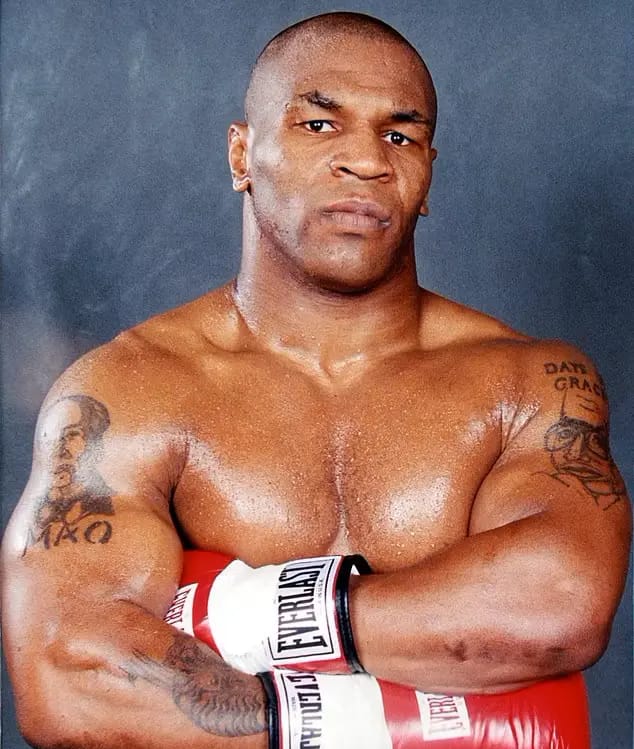
Mike Tyson has spent decades existing as a living paradox: a man capable of terrifying violence inside the ring who, in his post-boxing years, speaks with the vulnerable, searching philosophy of a penitent monk.
In a recent, unfiltered reflection on his ongoing journey through addiction and recovery, the 58-year-old former heavyweight champion opened up about the bleakest depths of his substance abuse—and the fragile, human ways he tries to make sense of his redemption.
At the height of his drug use, Tyson admitted, the toll was not just psychological or professional; it was intimacy-destroying.
”I was doing so much drugs, so much shit, my dick wouldn’t get hard,” Tyson recalled with characteristic, unvarnished directness. “I’m thinking my wife is gonna leave me because I can’t… I didn’t know it was because I’m doing so much fucking cocaine and all that drinking. My dick died.”
The physical consequences of his lifestyle brought a creeping dread. Paranoia set in, accompanied by fears of severe illness and the impending collapse of his marriage to Lakiha Spicer, whom he married in 2009.
“I went and took my AIDS test because she was tripping about that,” he said.
The turning point came when Tyson stepped away from hard drugs and alcohol, partly credited to his well-documented experiences with 5-MeO-DMT—the potent psychedelic derived from the venom of the Sonoran Desert toad.
The substance, which Tyson has frequently cited as a catalyst for his spiritual rebirth, marked the end of his cocaine usage.
With sobriety came physical restoration. But for Tyson, the medical explanation—that cessation of heavy stimulants and alcohol restores normal physiological function—was almost too mundane for the weight of what he felt he had lived through.
”I’m saying to myself, I know it’s because I’m not using drugs,” Tyson reflected. “In my mind, I wanted it to be because I’m not cheating on my wife and God blessed me with another chance… so I can make love to my wife.”

It is a remarkably human impulse: the desire to attribute personal recovery not merely to biology, but to divine providence. Tyson caught himself in the midst of the contradiction, wrestling openly with the myth he wanted to build around his own recovery versus the stark reality of cause and effect.
”I know the real fact is because I’m not doing drugs anymore and I’m living a perfect life,” Tyson said. “But I like the other reason better. I like the lie better. Isn’t that some bullshit? The lie that God is giving me my dick back because I’m not doing that shit and I’m not living that kind of life. That’s what I’m gonna believe.”
He paused, weighing the mythology against the medicine.
”But it’s not,” he admitted softly. “It’s because I changed my life and now my dick is hard again. But I like the story that what did it is because God chastised me. Does that make any sense?”
For Tyson, the story isn’t just about erectile function or chemical dependency; it’s about the stories recovering addicts tell themselves to stay on the path.
Whether framed as divine intervention or physiological baseline, the result remains the same: a man who once looked at his own destruction now prefers the burden—and the grace—of staying clean.
The Turnaround: Tyson credits his sobriety in part to psychoactive experiences with 5-MeO-DMT (“the toad”), which helped him quit hard drugs and alcohol, subsequently restoring his physical health and marriage.
The Reflection: Tyson openly discusses the psychological conflict between understanding the medical facts of drug recovery versus desiring a narrative of spiritual redemption and divine forgiveness.
