

‘
By Esse Umukoro I Wednesday, July 22 2026
LONDON— In the murky, high-stakes world of global politics, state leaders are usually known for what they take: grand mansions, inflated pensions, private jets, and backroom oil deals. But across West Africa and throughout the global Nigerian diaspora, one name is shattering every single rule of political greed—and leaving observers questioning whether he is even made of the same flesh and blood as the rest of the political class.
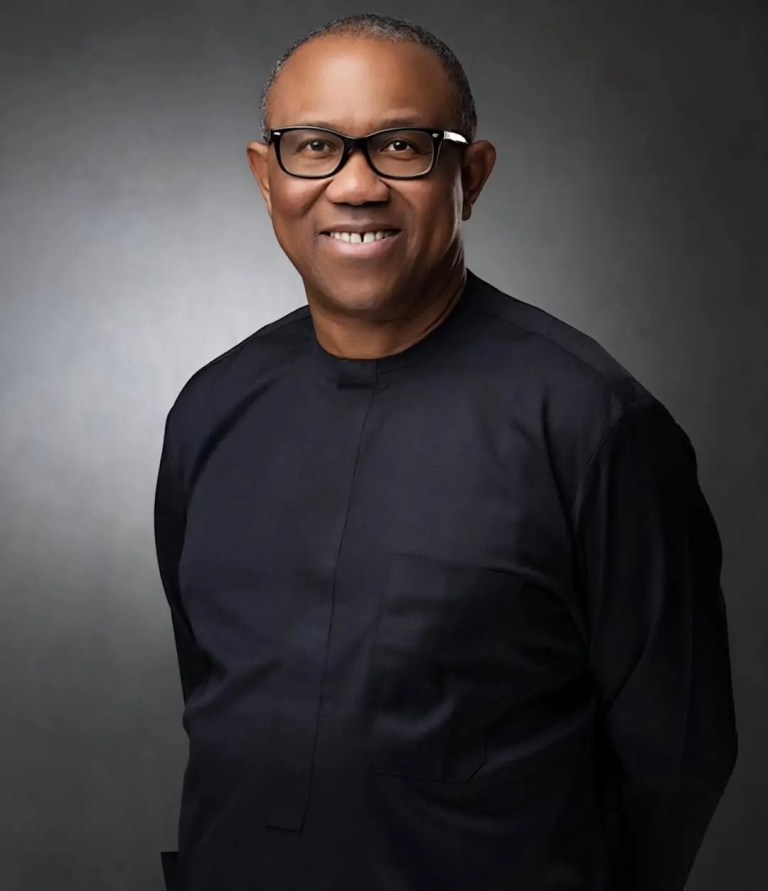
That man is Peter Obi.
In a viral surge of public admiration taking international political circles by storm, commentators are jokingly declaring that the former Governor of Anambra State and 2023 Nigerian presidential contender cannot possibly be a real human being—or at the very least, certainly not a standard politician. His public record of turning down vast fortunes, lavish official perks, and lucrative state assets has forced a dramatic re-evaluation of ethical leadership across Africa.
“This man has conquered man’s most natural, intense, and vicious appetite—greed,” reads a widely circulating testament to his public service. “He will not steal the country’s common wealth.”
As Nigeria navigates severe economic pressures and a growing public outcry against official corruption, Obi’s staggering track record of self-denial stands out as a astonishing anomaly in modern governance.
The Millions Turned Away: A Record of Extraordinary Restraint
To understand why political analysts are in utter disbelief, one only needs to look at the jaw-dropping list of financial entitlements Peter Obi walked away from during and after his tenure in public office.
In a political climate where former regional governors routinely receive massive lifetime payouts, Obi made shockwaves by outright rejecting a ₦700 million monthly pension package standard for ex-governors. Where others collected sprawling prime real estate as part of their retirement perks, Obi flatly refused the state-allocated land titles given to outgoing leaders.
His refusal of unmerited state cash extended to national appointments as well. When appointed as Chairman of the Securities and Exchange Commission (SEC) in Abuja in 2015, Obi rejected a ₦500 million housing and furniture allowance, insisting on living within reasonable limits rather than burning public funds on personal luxury.
Perhaps most astonishingly, when Anambra State was named the first and best-performing state in achieving the UN Millennium Development Goals (MDGs), Obi was awarded a $1 million prize money allocation. Rather than absorbing or diverting the funds through official channels, he rejected taking the reward for personal or political leverage, directing resources strictly into public development.

Rejecting Oil Wells, Mansions, and Unlawful Pacts
In West Africa’s oil-rich landscape, political power is often tied directly to lucrative crude allocations—a perk that many politicians spend millions trying to secure. Yet, when offered a coveted Oil Well allocation, a deal that virtually guarantees generational wealth, Obi turned it down without hesitation.
His strict adherence to constitutional discipline extended even to his own family. During his tenure as governor, Obi famously scrapped the funding and allocation of millions of naira for an official “Office of the First Lady,” boldly declaring that his wife was not an elected official and therefore should not be funded by the taxpayer.
This uncompromising stance against institutionalized corruption came at a heavy personal price. Early in his governance, Obi rejected a proposal by members of the State House of Assembly to divide and share the state’s annual budget on a percentage basis—a corrupt mechanism frequently used to buy legislative favor. His refusal to play ball directly triggered an unlawful impeachment attempt by disgruntled lawmakers, though Obi fought the battle through the courts and was fully reinstated.
Leaving a $75 Billion Legacy
While many political figures leave office leaving behind mountain-high public debts, Obi did the unthinkable upon completing his eight-year tenure as governor: he left the state chest overflowing.
Obi handed over approximately ₦75 billion in liquid cash and solid state assets to his successor. Rather than converting the reserves into personal offshore accounts or political war chests—a practice all too common in developing economies—he left every single penny intact for the next administration.
The Leader Nigeria Needs?
As the international community watches Nigeria’s ongoing economic reforms and fight against systemic graft, Obi’s record continues to serve as a benchmark for what ethical leadership could look like.
Supporters maintain that his relentless refusal to enrich himself proves he is the rare figure capable of redirecting the nation’s wealth back to its people. While critics continue to scrutinize his policies, nobody has successfully debunked the extraordinary list of payouts, lands, and oil deals he chose to walk away from.
In an era defined by political cynicism, Peter Obi’s legacy presents a radical alternative: a leader who proved that true power isn’t about how much you can take, but how much you are willing to leave behind.
