

By SCM International Desk I Friday, Oct 09, 2026
KYIV, Ukraine — President Volodymyr Zelensky of Ukraine delivered a scathing assessment of Washington’s foreign policy on Friday, warning that a decision by President Donald J. Trump to ease sanctions on Russian petroleum products in exchange for diesel shipments is an act of “obvious weakness” that will fund Moscow’s war effort.
Speaking to reporters in Kyiv shortly after hosting a bipartisan delegation of U.S. lawmakers, Mr. Zelensky warned that concessions to President Vladimir V. Putin of Russia will lead only to intensified military strikes against Ukrainian civilians.
“Gifts to Putin will not bring peace or any benefit to the civilized world,” Mr. Zelensky said. “Russia will ‘repay’ the diesel with further terror and perfidy. Allowing Russia to sell petroleum products is an investment in a war that must be ended, not prolonged.”
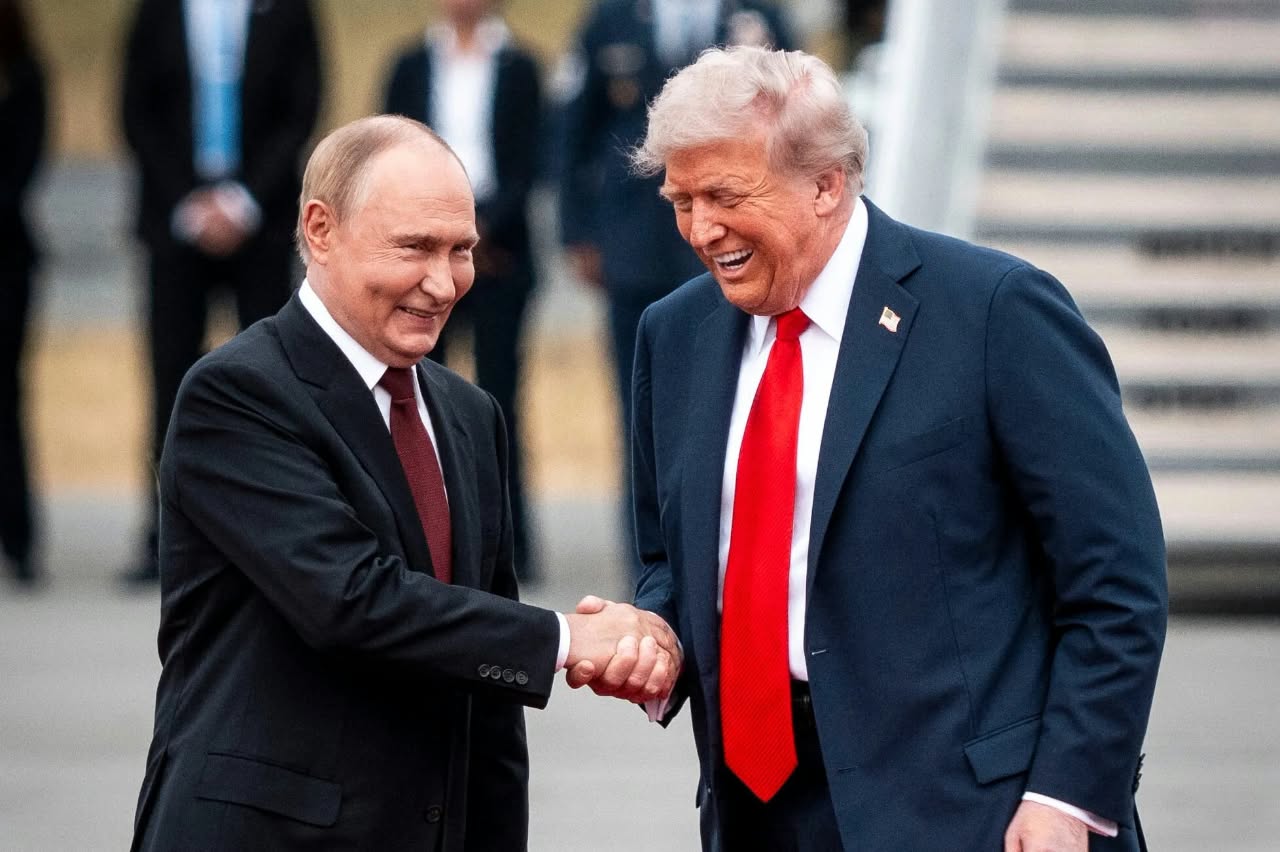
The Ukrainian leader’s remarks came hours after Mr. Trump announced on social media that a phone conversation with Mr. Putin had yielded a deal for Russia to supply more than 4.8 million tons of diesel fuel to the United States and global energy markets. The White House sought the agreement to alleviate domestic price spikes at fuel pumps, relaxing enforcement on Russian energy exports and shadow-fleet operations.
The policy shift marked a dramatic departure from Washington’s multi-year campaign to choke off Moscow’s energy revenues. Critics in Congress quickly condemned the move. Representative Don Beyer, Democrat of Virginia, called the agreement “infuriating” and argued that lifting restrictions on Russian fossil fuels undermines long-standing U.S. leverage over the Kremlin.
The agreement follows a recent decision by several European nations to lift select sanctions on Russian oligarchs—a move that Mr. Zelensky noted was immediately followed by heightened civilian bombardment across Ukraine.

Terror as a Battlefield Substitute
Addressing the bipartisan congressional group, Mr. Zelensky argued that Mr. Putin’s eagerness to negotiate backroom economic deals stems from mounting vulnerabilities on the battlefield. Ukrainian forces have mounted a long-range drone campaign targeting Russian energy infrastructure and oil processing plants, squeezing Moscow’s primary revenue source.
“This year, Russia is weaker on the battlefield than at any other point in the war,” Mr. Zelensky said. “That is why Putin is relying on terror. That is why he is relying on attempts to strike backroom deals to secure some form of pressure relief for Russia, in order to buy more time and more opportunities for war.”
In recent days, Russian forces have launched missile and glide-bomb attacks against residential areas, including a strike on an apartment building in Pryluky and civilian buses in Kramatorsk. Continuous drone and missile strikes have targeted power grids and life-sustaining utility infrastructure in Kyiv, Dnipro, Kharkiv, and Odesa, leaving dozens dead and hundreds wounded.
A Proposal for Reciprocal De-escalation
Rather than granting unilateral economic relief, Mr. Zelensky urged the Trump administration to adopt a framework of strict reciprocity. He outlined a proposal Ukraine has presented to American officials: Kyiv will halt its deep-strike campaign against Russian oil refineries, but only if Moscow stops destroying Ukraine’s power grid.
“Ukraine is ready to take symmetrical de-escalatory steps, and the American team knows our position,” Mr. Zelensky stated. “Our strikes on Russian oil refineries and other oil facilities are a response to Russia’s years-long campaign of terror against Ukraine’s energy sector. Ukraine will not set Russian oil refineries on fire if Russia does not destroy our energy infrastructure.”
Mr. Zelensky called on Congress to pass tougher measures, including secondary sanctions legislation spearheaded by Senator Lindsey Graham, Republican of South Carolina, to force Russia into genuine diplomatic engagement.
“What is needed is real de-escalation with Russia on a reciprocal basis,” Mr. Zelensky said. “We count on America’s fair support for our defense of life—and on the United States having a correspondingly strong conversation with Russia. A strong one, not a weak one.”
