Conversely, Uganda’s response is currently a defensive holding action. As of late May, Uganda has reported just two confirmed cases. Both individuals possess clear epidemiological links traceable back to the DRC, and critically, Ugandan health officials have documented zero onward transmission among contacts so far.
However, the threat of cross-border spillover remains severe, prompting the WHO to issue extensive temporary recommendations to both nations to avert a wider catastrophe.
Compounding the severity of the outbreak is a troubling diagnostic hurdle: the standard GeneXpert testing platform cannot detect the Bundibugyo virus.
To combat this, the WHO is demanding an urgent decentralization of laboratory capacities. They are calling for the rapid scale-up of specialized RT-PCR testing across high-risk sub-national zones to reduce sample turnaround times. Additionally, the WHO has mandated urgent, head-to-head validation studies on alternative field testing platforms, such as the Radione® PCR platform currently deployed in some areas.
Because biomedical countermeasures are temporarily unavailable, the WHO’s emergency framework focuses heavily on coordination, community trust, and rigid border controls:
National Emergencies & Security Corridors: Both states are urged to formally declare BVD a health emergency. Because the outbreak overlaps with conflict zones in the eastern DRC, the WHO is calling for the negotiation of “security corridors” to allow medical teams safe passage to affected villages.
Rigid Contact Tracing: Health authorities must maintain strict, daily updated registries of alerts and line-lists of suspected cases. Contacts must be monitored daily for 21 days post-exposure, with provisions (food, water, and financial aid) provided to help families adhere to movement restrictions.
Building Community Trust: Acknowledging deep-seated cultural anxieties, the WHO emphasized partnering with local religious leaders, traditional healers, and Red Cross volunteers. Responders are being trained to handle isolation and contact tracing in a “non-stigmatizing, non-punitive manner.”
Border Controls and Screenings: The guidelines dictate strict exit screenings at all airports, ports, and land crossings. This includes mandatory exposure questionnaires and temperature checks. Furthermore, cross-border movement of human remains is strictly prohibited unless authorized by specialized bilateral agreements.
Protecting the Frontlines
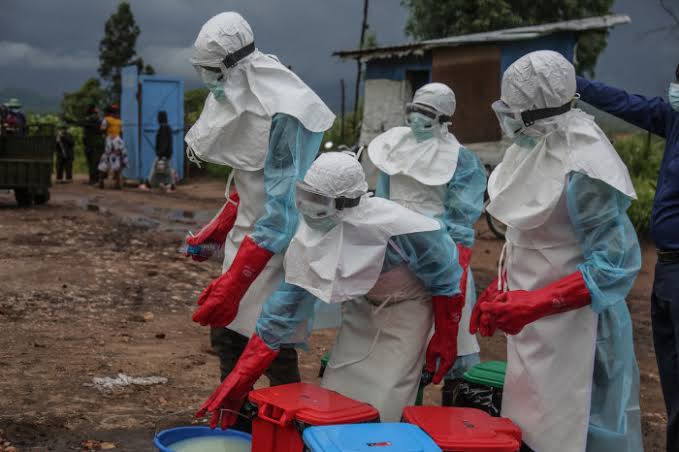
With nosocomial (hospital-acquired) transmission a historical driver of Ebola outbreaks, the WHO is urging immediate support for healthcare workers. Recommendations include mapping out isolated treatment units, offering continuous training on Personal Protective Equipment (PPE), ensuring regular salary payments, and providing hazard pay.
Where possible, the committee recommends providing frontline staff with experimental post-exposure prophylaxis under compassionate use or clinical trial protocols.
The Path Forward: While ethically approved, scientifically robust clinical trials for candidate vaccines and therapeutics are being accelerated, the immediate priority remains containment. The WHO warns that until transmission is interrupted, mass gatherings in affected areas should be postponed, and cross-border surveillance must remain ironclad.