

By SCM Foreign Desk
WASHINGTON — U.S. forces executed a new wave of targeted airstrikes against Iranian military installations, U.S. Central Command (CENTCOM) announced, marking an extension of a campaign aimed at dismantling Tehran’s capacity to harass commercial shipping in vital regional waterways.
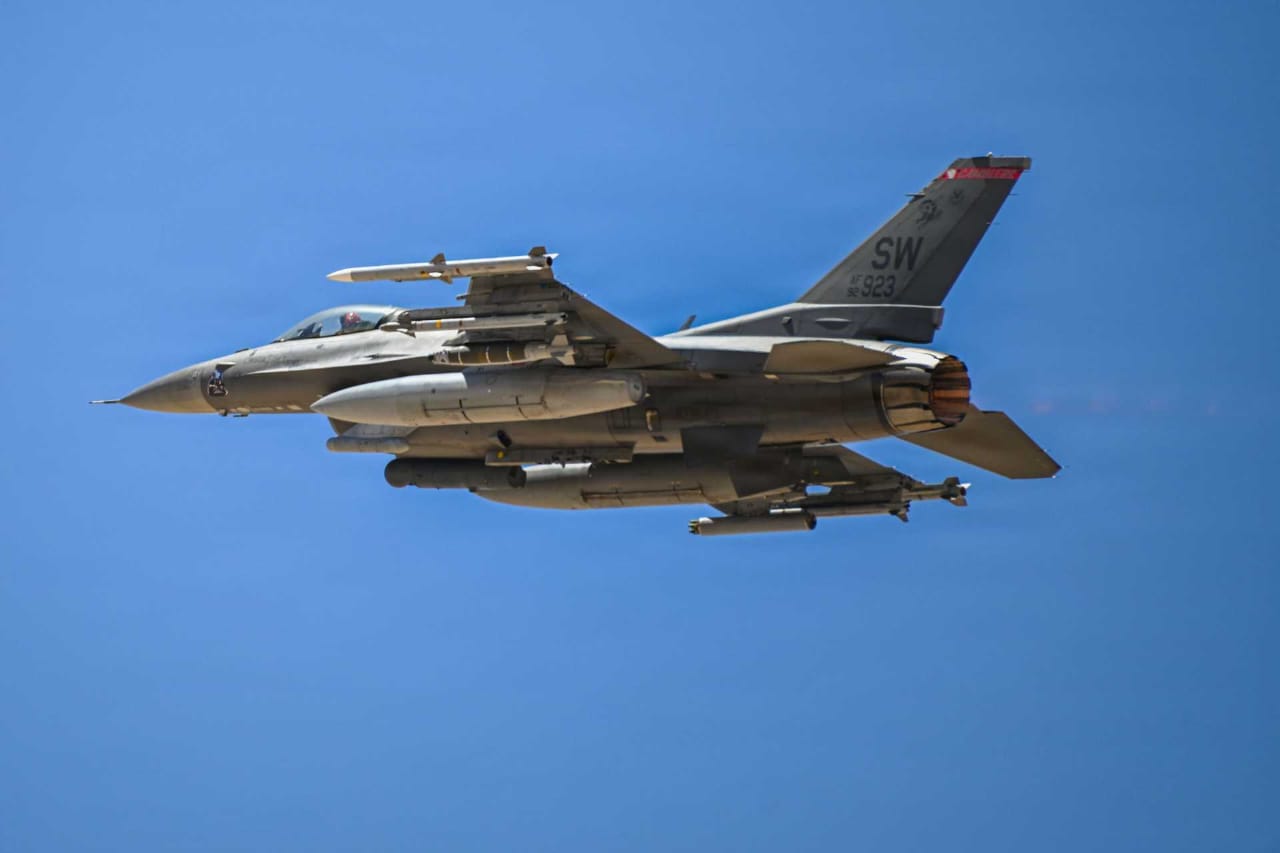
According to a statement released by CENTCOM, American forces initiated the bombardment at 5:30 p.m. ET under direct orders from President Donald Trump. The operation targeted military infrastructure utilized by Iranian forces—specifically the Islamic Revolutionary Guard Corps (IRGC)—to strike merchant vessels transiting the Strait of Hormuz and surrounding waters.
Official Statement: “The mission will continue to further degrade Iran’s ability to threaten civilian mariners and commercial vessels transiting regional waters,” CENTCOM said in a brief public statement announcing the operation.
Escalation in the Strait of Hormuz
The recent round of bombardment comes after repeated breakdowns in maritime diplomatic agreements between Washington and Tehran. Over recent weeks, American fighter jets, armed drones, and sea-based missile platforms have carried out repeated strikes across multiple strategic coastal hubs in southern Iran, including Bushehr, Jask, Konarak, and Chah Bahar.
Military officials stated that targets in recent waves have included:
Coastal Surveillance Infrastructure: Radar array stations and monitoring posts watching commercial channels.
Strike Capabilities: Anti-ship missile batteries, one-way attack drone launch sites, and fast-attack naval craft facilities.
Command & Logistics: Communication nodes, air defense sites, and weapons storage depots.
The military offensive was reignited after Iranian naval units and drone operators resumed attacks on commercial oil tankers and container ships attempting to traverse the Strait of Hormuz. Washington previously accused Iran of violating a short-lived memorandum of understanding intended to establish a 60-day maritime buffer zone and safeguard international transit.

”Specifically, in the memorandum of understanding that they signed, they were not to fire on commercial vessels moving through the Strait of Hormuz,” White House Press Secretary Karoline Leavitt stated, noting that renewed attacks on civilian crews left the administration with no alternative to direct military action.
The Strait of Hormuz is widely regarded as the world’s most critical maritime oil transit chokepoint.
Connecting the oil fields of the Persian Gulf with the Gulf of Oman and the Indian Ocean, the narrow waterway handles roughly 20 percent of global petroleum consumption and vast quantities of liquefied natural gas (LNG).
Tensions in the region have escalated steadily over several years, fueled by confrontation over Iran’s nuclear program, regional proxy conflicts, and Tehran’s aggressive naval tactics. In response to Western economic sanctions, Iranian forces have periodically seized foreign-flagged vessels, deployed naval mines, and launched drone attacks against international commercial shipping.
The ongoing U.S. air campaign represents one of the largest sustained military operations against Iranian state infrastructure in recent years. While Administration officials emphasize that the strikes are strictly intended to defend maritime transit rather than initiate full-scale regime-change warfare, analysts warn of broader economic and geopolitical repercussions:
Energy Market Volatility: Persistent strikes and retaliatory threats around the Strait of Hormuz have triggered spikes in crude oil futures and raised shipping insurance rates across global transport networks.
Diplomatic Channels: Oman and Qatar have attempted to broker indirect negotiations in Muscat to re-establish safe transit lanes and prevent a broader regional war.
Iran’s Domestic Crisis: The military strikes coincide with acute economic stress within Iran, where inflation has surged and energy infrastructure damage has intensified public unrest.
