

BY SCM ONLINE REPORTER
ABUJA, NIGERIA – A BOMBSHELL court ruling has thrown Nigeria’s political landscape into complete meltdown after a high court judge ordered the immediate shutdown of major opposition groups ahead of the highly anticipated 2027 general elections.
In a dramatic decision that has sent shockwaves from Abuja to London, Justice Peter Lifu of the Federal High Court in Abuja ordered the Independent National Electoral Commission (INEC) to immediately deregister the African Democratic Congress (ADC) alongside four other political parties.
The sweeping legal axe—which also struck down the Accord Party (AP), Action Peoples Party (APP), Action Alliance (AA), and Zenith Labour Party (ZLP)—effectively bars these groups from taking part in future campaigns, rallies, or primaries.
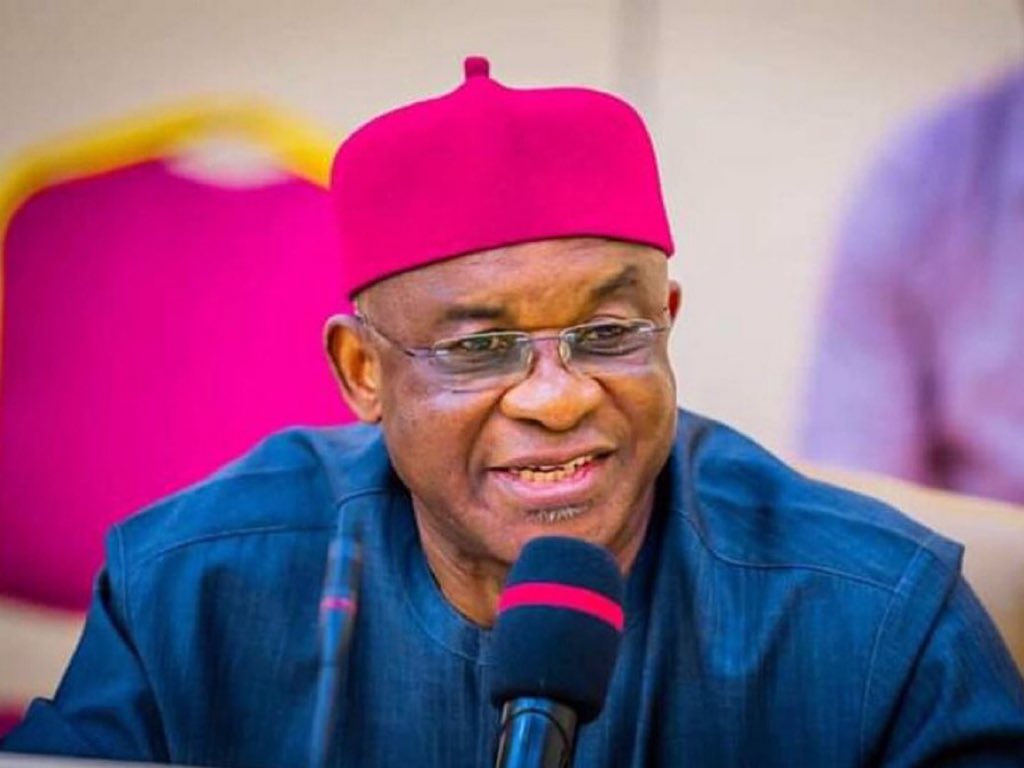
But the defiant National Chairman of the ADC, Senator Mark, has hit back with fury, telling his terrified party members and candidates to stand firm.
Speaking to an emergency gathering of candidates in the nation’s capital on Monday, the veteran politician branded the shock judgment a “major blow to Nigeria’s democracy,” but insisted the ruling is dead in the water.
In a fiery statement issued via his Special Adviser on Media and Publicity, Kola Ologbondiyan, Senator Mark vowed that higher courts would swiftly smash the lower court’s decision.
”This ruling won’t last,” a defiant Senator Mark promised. “It is a complete breach of proper legal procedures, and we are completely confident it will be overturned on appeal.”
Exposing what he called a glaring legal blunder by the lower court, the ADC chief revealed that the Court of Appeal had already ordered this exact case to be paused and rescheduled for October 27, 2027.
He argued fiercely that Justice Lifu had absolutely no business delivering a judgment while a superior court had ordered a freeze on the case.

Urging his frantic supporters to stay completely calm, Senator Mark gave a ironclad guarantee that his party would be on the ballot when the country goes to the polls. He reassured voters that the ADC remains entirely dedicated to offering the Nigerian public a clean, reliable alternative choice to the current establishment.
To understand the sheer scale of this crisis, you have to look at the strict rules governing Africa’s largest democracy.
The legal assault was originally launched by a powerful civil society group known as the Incorporated Trustees of the National Forum of Former Legislators.
The ex-lawmakers dragged INEC and the five political parties to court, claiming the minor parties were nothing more than “ghost organisations” clogging up the democratic system. Under Section 225A of Nigeria’s strict 1999 Constitution, a political party must hit specific performance targets to keep its registration.
Win at least 25 per cent of the votes in at least one state during a presidential election, OR Secure at least one elective seat at either the federal, state, or local government level.
The plaintiffs successfully argued that the ADC and its fellow co-defendants had failed miserably to meet these benchmarks during the chaotic 2023 general elections and subsequent by-elections.
The judge agreed, ruling that letting these underperforming parties exist was unlawful and actively undermined the integrity of the country’s entire electoral system.
The timing of this judgment could not be more explosive. The ruling threatens to completely derail the ambitions of some of Nigeria’s heaviest political titans.
Among those caught in the crossfire is former Vice President Atiku Abubakar, who was widely tipped to run for the presidency on the ADC platform as a unified opposition challenger to the incumbent President, Bola Tinubu.
Similarly, the shock ruling threatens to derail high-stakes regional contests, including the upcoming governorship race in Osun State, where key candidates now find themselves temporarily without a valid political platform.
With the ADC planning an immediate, aggressive appeal to reverse the ban, Nigeria is now braced for a brutal, drawn-out constitutional showdown that will shape the future of the continent’s most populated nation.
