

By SCM Foreign Correspondent
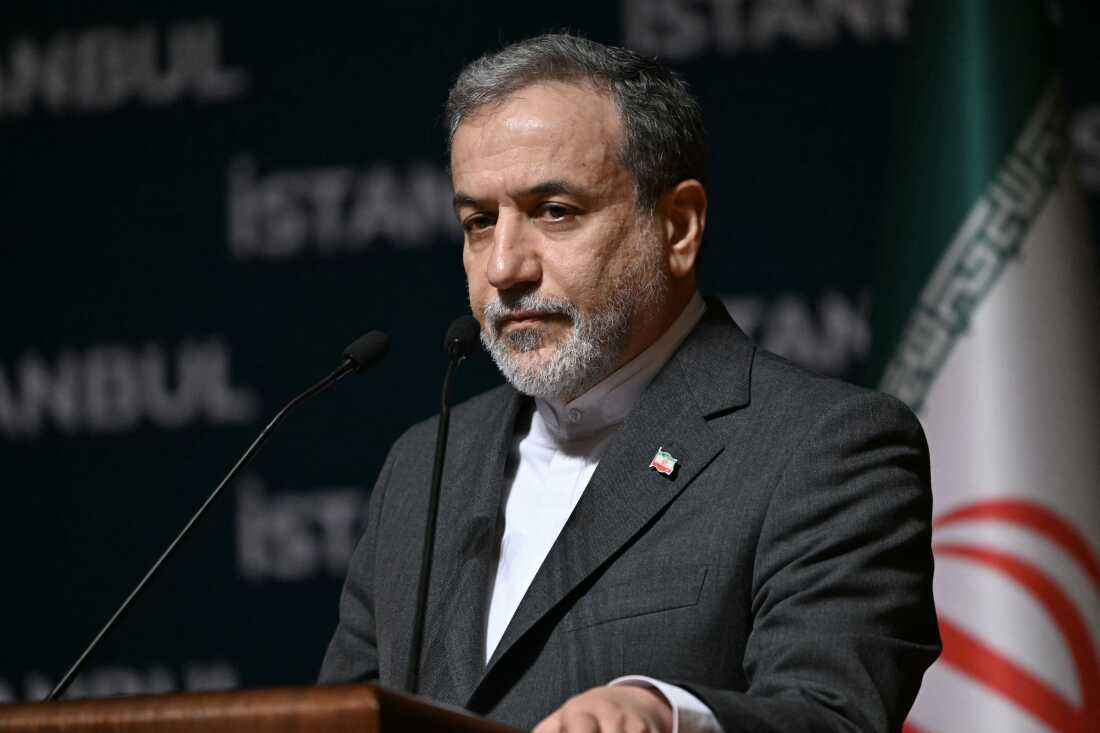
TEHRAN — Iran’s foreign minister has delivered a blunt warning to Washington, declaring that while Tehran is ready to implement a historic new understanding to end months of bloody regional warfare, its trust in the United States is “non-existent.”
Speaking on Iranian state television on Monday night, Abbas Araghchi claimed that Iran’s approach to upcoming diplomatic talks is strictly shaped by America’s track record of “breaking commitments and violating agreements.”
The stinging remarks come just as details leak of a highly sensitive, 14-point draft memorandum of understanding (MoU) aimed at cementing a permanent ceasefire between the warring nations.
’Eyes Wide Open’
Mr Araghchi did not mince his words when addressing the Iranian public, many of whom remain deeply skeptical of Western diplomacy following months of devastating military exchanges.
”We have a history of promises being broken, obligations not being fulfilled, and agreements being canceled, and all of this is present in our minds,” Araghchi told state television.
He added that Tehran is shaping its entire negotiating strategy and the practical implementation of any future breakthroughs based on a fundamental “lack of trust,” drawing directly on its bitter experience of past American violations.
Despite the fierce rhetoric, the foreign minister made it clear that Tehran will not walk away from the negotiating table if it means rescuing its battered economy. The country has been choked by a crushing US naval blockade and intense financial sanctions since the outbreak of hostiles earlier this year.
”We are striving to create the greatest possible economic openness for the country along this path,” Araghchi admitted, noting that while it is only natural for diplomacy to pursue every available avenue, Tehran is absolutely “not placing its hopes on it.”
The current diplomatic tightrope follows a devastating outbreak of direct warfare in February 2024, which quickly spiraled into a multi-front conflict involving Iran, Israel, and the United States.
The Crisis Point: The war led to a dramatic escalation in April when the US military enforced a strict naval blockade along the Iranian coastline, severely crippling the state’s capability to export oil and petrochemicals.

In response, Iran effectively shut down the vital Strait of Hormuz—a strategic maritime chokepoint that typically handles roughly 20 percent of the world’s global oil and gas supply—sending global energy markets into a tailspin.
A fragile, temporary ceasefire brokered via Pakistani mediation last month managed to halt major air strikes and ground hostilities, providing a narrow window for diplomacy.
However, formal talks stalled last week as both Washington and Tehran traded blame over “contradictory messages” and unacceptable terms regarding Iran’s nuclear ambitions and maritime sovereignty.
The fresh round of verbal sparring comes amid reports from Iranian state-affiliated media outlining the purported details of the emerging peace framework.
According to leaked reports, the proposed 60-day roadmap includes:
An immediate and permanent cessation of war on all regional fronts, including Lebanon.
The phased release of $24 billion (£19 billion) in frozen Iranian assets.
The immediate unfreezing of half that amount ($12 billion) before face-to-face negotiations can officially begin.
The lifting of the US naval blockade and the withdrawal of American forces from the immediate vicinity of Iran’s coastline.
While hardliners within Iran have staged protests in cities like Mashhad, accusing the government of “retreating” under Western pressure, Araghchi’s latest TV appearance appears designed to reassure domestic critics.
By projecting an attitude of deep suspicion, the foreign minister is attempting to signal that Iran is entering these high-stakes negotiations with its eyes wide open.
US officials have yet to publicly confirm the fine print of the leaked draft, and Araghchi himself cautioned that the text remains fluid and could still change before any final, remote digital signing takes place.
