

By SCM Travel Reporter
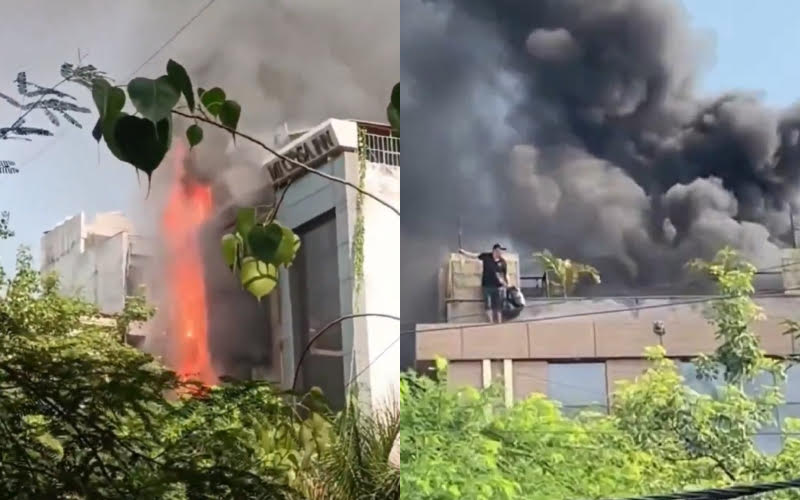
NEW DELHI, India — A devastating fire at a New Delhi hotel has left at least 18 people dead and several others injured, prompting immediate government intervention and raising urgent questions regarding safety protocols in the capital’s budget hospitality sector.
The blaze tore through the Micasa Inn early today. Local authorities have confirmed that all 18 victims identified so far were foreign nationals visiting the country.
Indian police warned that the death toll may rise as search and rescue operations conclude and medical teams treat the injured.
Preliminary investigations suggest the fire was triggered by an electrical short circuit. In the immediate aftermath of the tragedy, local authorities detained the owner of the hotel as an investigation into potential safety violations gets underway.
The incident has reverberated through the highest levels of government. Prime Minister Narendra Modi expressed his deep condolences to the families of the deceased via a statement, offering support to the international communities affected by the disaster.
Meanwhile, the Delhi regional government has been galvanized into swift action, promising rigorous safety inspections across the capital city to reassure the global travel market and protect incoming visitors.
To give international readers a complete picture of the landscape surrounding this event, the story relies on several critical context points:

The Safety vs. Growth Dilemma: India’s tourism sector has seen massive growth, particularly in metropolitan hubs like New Delhi.
However, rapid urban development occasionally outpaces the enforcement of strict fire safety codes, particularly in densely packed commercial neighborhoods where older buildings are converted into budget tourist lodges.
Because all 18 victims were international tourists, this incident puts direct pressure on Delhi’s tourism board and hospitality regulatory bodies.
The swift detention of the property owner reflects a growing zero-tolerance stance by Indian law enforcement regarding corporate negligence in public safety incidents.
This move is intended to signal accountability to foreign embassies and international tour operators.
