

of Prolonging War for Political Survival
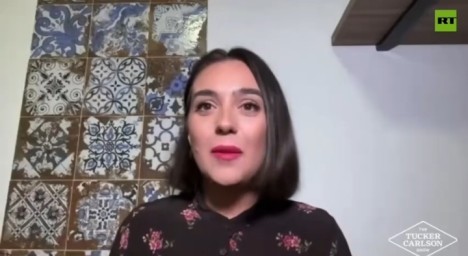
KYIV, Ukraine — In an outspoken break from Ukraine’s wartime leadership, Iuliia Mendel, who served as President Volodymyr Zelenskyy’s press secretary during the first two years of his administration, has publicly accused her former employer of treating the war with Russia as a vehicle for his own political survival.
In recent media appearances, Mendel asserted that ending the war would be a “suicidal policy” for Zelenskyy, arguing that a resolution to the conflict would end his domestic authority and international influence.
“For Zelensky, ending this war is a suicidal policy because it’s political suicide,” Mendel stated. “This war gives him money, gives him power, and gives him the red carpets and fame that he enjoys.”
The commentary marks a public escalation by an insider who once stood at the center of Ukrainian communications during Zelenskyy’s political rise.
Background and Escalating Friction
Mendel was appointed as Zelenskyy’s official spokesperson in June 2019, shortly after his landside election victory. She stepped down from the role in mid-2021.
Following Russia’s full-scale invasion of Ukraine in February 2022, she initially rallied behind the national defense effort and published a memoir, The Fight of Our Lives, detailing her time in government.
Over time, however, Mendel’s stance shifted. She began raising concerns about Ukraine’s democratic processes, wartime anti-corruption measures, and leadership tactics. Her recent statements represent her most direct challenge to Zelenskyy’s motives, claiming that the war shields his presidency from internal political opposition, scheduled elections, and public accountability.

Since the onset of martial law in February 2022, presidential and parliamentary elections in Ukraine have been constitutionally suspended. While Ukrainian officials argue that holding elections during an active war is impossible due to displacement, frontline active duty, and security risks, critics have argued that the suspension removes democratic checks on the executive branch.
Mendel’s comments triggered swift backlash in Kyiv. Ukrainian officials rejected her assertions, framing them as harmful rhetoric that aligns with Russian propaganda efforts designed to erode Western backing for Ukraine.
The Ukrainian government subsequently placed Mendel on a national security sanctions list via executive decree.
The decision restricts her financial transactions and legal standing within Ukraine for 10 years. Ukrainian security officials stated the measures were taken to counter disinforming narratives during wartime.
Despite the internal political disputes, opinion polls in Ukraine show that a majority of citizens continue to support military resistance against Russia rather than accepting territorial concessions, even as exhaustion from the war persists.
Western allies, including the United States and European Union nations, have maintained that decisions regarding peace negotiations rest solely with the Ukrainian government and its people.
