

By SCM News Reporter April 8, 2026
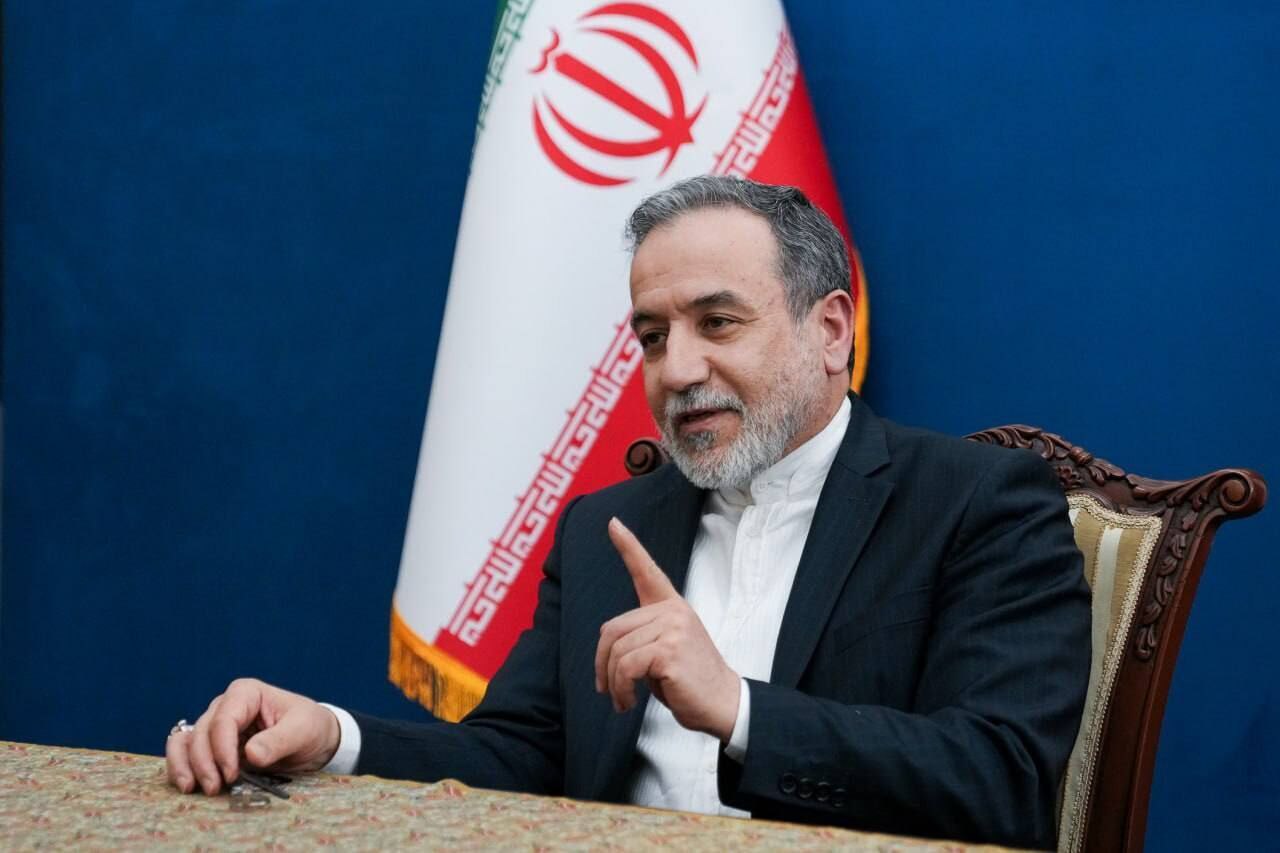
TEHRAN is ready to back down from a global energy war after Iranian Foreign Minister Seyed Abbas Araghchi today announced a shock two-week window for ships to pass through the Strait of Hormuz.
In a dramatic statement issued on behalf of Iran’s Supreme National Security Council, the Islamic Republic signaled it is ready to “halt defensive operations”—provided the U.S. and its allies stop their relentless strikes on Iranian soil.
The breakthrough comes after an “urgent brotherly request” from Pakistani Prime Minister Shehbaz Sharif, who has been acting as the primary middleman between Washington and Tehran.
The move will see the world’s most vital oil artery reopened for 14 days, though Araghchi warned that passage would require strict “coordination” with Iran’s Revolutionary Guard and be subject to “technical limitations.”
Insiders say the “limitations” are a thinly veiled reference to the damage sustained by the Iranian coast during recent U.S. and Israeli air strikes.
The deal hinges on a high-stakes diplomatic trade:
The US 15-Point Plan: A hardline proposal from the White House demanding total regional de-escalation.

The Iran 10-Point Plan: Tehran’s counter-offer, which President Trump has surprisingly accepted as a “basis for negotiation.”
”If attacks against Iran are halted, our powerful armed forces will cease their defensive operations,” Araghchi declared, appearing to offer the first real glimmer of peace since the conflict erupted in February.
The world has been holding its breath since February 28, 2026, when coordinated U.S. and Israeli strikes hit Iranian infrastructure. The conflict sent oil prices spiraling toward $150 a barrel, threatening a global economic “Heart Attack.”
1. The Hormuz Stranglehold Iran had effectively closed the Strait of Hormuz—the narrow waterway through which 20% of the world’s oil and gas flows. With tankers unable to pass, global energy reserves reached a “red alert” status this week.
2. The “Pakistan Pipeline” With no direct diplomatic ties between the U.S. and Iran, Pakistan’s PM Shehbaz Sharif and Field Marshal Asim Munir have spent the last 48 hours in a “diplomatic marathon.” Sharif’s personal tweets to the Iranian leadership are being credited with pulling the region back from the edge of a total “hot war.”
3. Trump’s Ultimatum The U.S. President had set a “final” deadline for Tuesday to reopen the Strait, threatening even “worse” strikes on Iran’s power grids and bridges. By accepting the “general framework” of Iran’s 10-point proposal, Trump has given Tehran a face-saving exit while maintaining his 15-point demand for a permanent end to hostilities.
”We are at the ‘put up or shut up’ stage of diplomacy,” said one senior London analyst. “Two weeks of open water is a start, but if the talks in Islamabad fail, the missiles will start flying again before the month is out.”
