

By SCM Correspondent
GUSAU — In another devastating wave of violence targeting rural communities in Nigeria’s northwest region, heavily armed terrorists have invaded Gora Namaye Village in the Maradun Local Government Area of Zamfara State, killing at least 16 innocent residents.
The well-coordinated assault, which caught the community entirely off guard, occurred on Friday, plunging the agrarian village into deep mourning and sparking fresh fears among local populations regarding the persistent insecurity plaguing the state.
Local sources revealed that the attackers, riding on motorcycles and wielding sophisticated assault rifles, stormed the village in large numbers. Upon entering the community, they opened fire indiscriminately on residents who were going about their daily activities, forcing many to flee into the surrounding bushes for safety.
By the time the attackers withdrew from the area, sixteen bodies had been recovered, with several other villagers reportedly injured or unaccounted for.
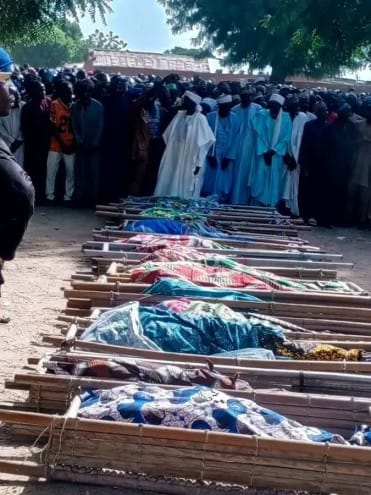
A solemn mass burial was held for the 16 victims later on Friday, adhering to Islamic rites. The atmosphere during the funeral was thick with grief, tears, and palpable anger as family members and neighbors gathered to bid farewell to their loved ones.
Community leaders who spoke during the funeral expressed utter despair over the recurring nature of these attacks, pleading with both the state and federal governments to take decisive military action to protect defenseless citizens.
This latest tragedy in Gora Namaye is not an isolated incident but rather part of a long-standing security crisis that has crippled Zamfara State and the wider northwestern region for over a decade.
Often referred to locally as “bandits,” these heavily armed terror groups operate from vast, dense forest reserves stretching across Zamfara, Katsina, Kaduna, and Sokoto states.

What began years ago as sporadic, localized clashes between nomadic herders and sedentary farmers over land and water resources has morphed into a highly organized, deeply entrenched criminal enterprise.
Today, these terrorists engage in large-scale cattle rustling, mass kidnappings for exorbitant ransoms, illegal gold mining, and cold-blooded massacres of entire villages.
Maradun Local Government Area, where Friday’s attack occurred, has historically been one of the primary volatile flashpoints in Zamfara.
The area’s proximity to dense forest hideouts makes it incredibly vulnerable to swift hit-and-run tactics by the terrorists, who frequently overwhelm local vigilante groups before state security forces can deploy to the scene.
Despite multiple military operations launched by the Nigerian Armed Forces over the years—including airstrikes on identified bandit camps, the deployment of joint security task forces, and temporary shutdowns of telecommunications networks to disrupt terrorist logistics—the security situation remains fluid and highly unpredictable.
Security experts argue that the vast, ungoverned spaces across the northwest, coupled with a severe shortage of security personnel on the ground, allow these criminal elements to regroup and launch retaliatory strikes against communities suspected of cooperating with state authorities.
As the families of Gora Namaye Village begin the painful process of rebuilding their fractured lives, the incident stands as a stark, grim reminder of the urgent need for a more sustainable, intelligence-driven security strategy to restore permanent peace to Zamfara State and safeguard the lives of its rural population.
At the time of filing this report, neither the Zamfara State Police Command nor the state government had issued an official statement regarding the casualties or ongoing efforts to track down the perpetrators.
