

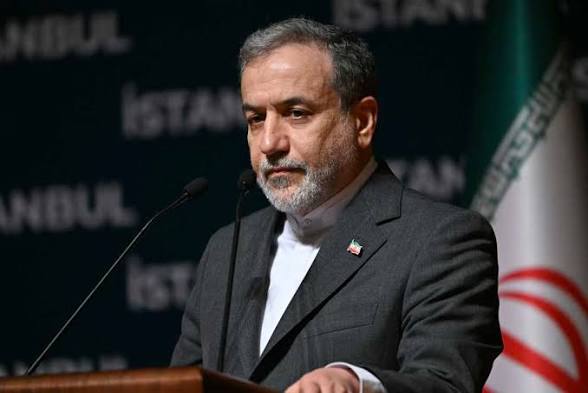
Says enriched uranium not mentioned during talks
By SCM Correspondent
TEHRAN – In a move that has sent shockwaves through global energy markets, Iran has sensationally pulled out of high-stakes peace talks scheduled for Islamabad, accusing Washington of sabotaging a fragile ceasefire from “the word go.”
Iranian Foreign Ministry spokesman Esmaeil Baghaei confirmed today that the Iranian delegation will not travel to the Pakistani capital for the second round of negotiations.
The snub marks a dangerous escalation in the region, with Tehran pointing the finger squarely at US and Israeli forces for failing to uphold their end of a weekend truce.
Central to the fallout is the Strait of Hormuz, the world’s most vital oil chokepoint. Baghaei claimed that while the waterway was “safe” prior to recent “Israeli-American aggression,” it has now become a flashpoint of instability.
”We opened the Strait for safe passage on the understanding that a ceasefire would begin on Monday,” Baghaei stated. “But they are not respecting it. The Americans are not serious.”

Tehran’s message is clear: No ceasefire in Lebanon, no deal in Islamabad. The spokesman warned that Iran “trusts its own capabilities” to defend its interests if diplomacy continues to fail.
A Cold Shoulder to the West
The Foreign Ministry also took a swipe at European powers, urging the EU to “adopt steps based on reality” rather than following Washington’s lead.
Baghaei slammed what he termed the “Zionist violation of international laws,” calling on the global community to rein in both the US and Israel.
“There are signs that the Americans have no intention to go far in diplomacy,” Baghaei warned, signaling a bleak outlook for any immediate return to the negotiating table.
The collapse of these talks represents a significant setback for the Pakistani mediators, who have been working frantically to prevent a full-scale regional war.
The Strait of Hormuz: Approximately 20% of the world’s liquid petroleum passes through this narrow stretch of water. Any closure or threat to shipping typically sends global fuel prices skyrocketing.
The Lebanon Factor: Iran has now explicitly linked the safety of international shipping lanes to the conflict in Lebanon, effectively using the Strait as a bargaining chip to force a halt to Israeli operations against Hezbollah.
Diplomatic Deadlock: By refusing to attend the Islamabad summit, Iran is signaling that it no longer views the US as a “good faith” actor, potentially pushing the region closer to a direct kinetic confrontation.
