

By SCM Politics Desk I Thursday, Sept 10, 2026
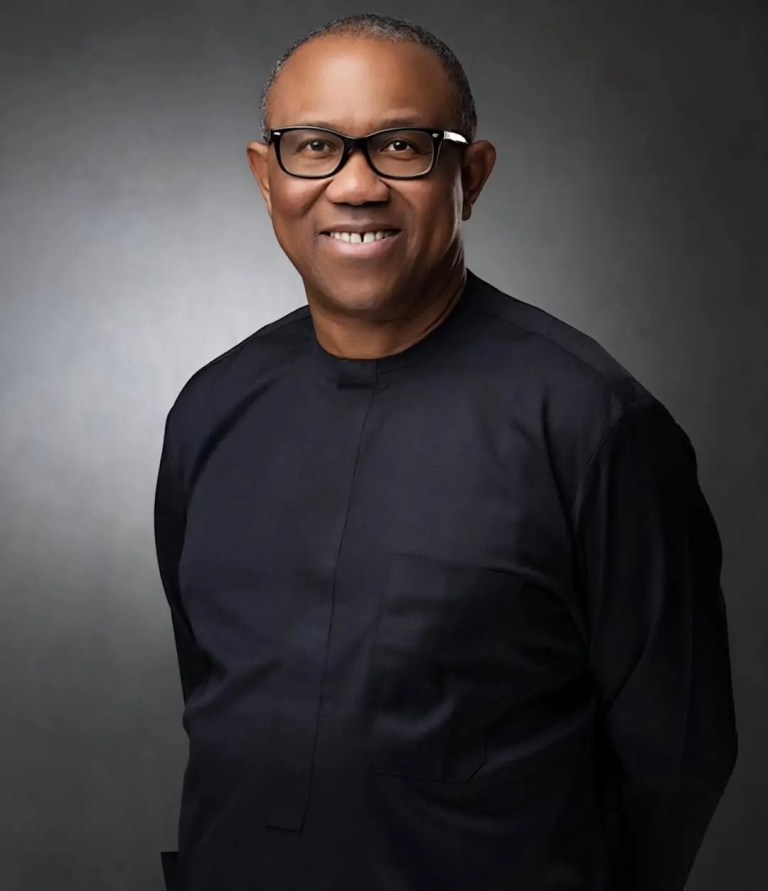
ABUJA — Following his working visit to Benue and Plateau states, the presidential candidate of the Nigeria Democratic Congress (NDC), Mr. Peter Obi, has declared that a transformed and prosperous Nigeria remains achievable if the country decisively shifts from consumption to production.
Speaking shortly after returning to the Federal Capital Territory, Abuja, on September 8, 2026, from high-level engagements across Europe, Obi reaffirmed his commitment to driving structural reforms in key sectors of the national economy.
The former governor of Anambra State disclosed that his international trip—which included critical meetings in Germany and the United Kingdom—focused on securing international partnerships to support electoral integrity, poverty reduction, basic education, healthcare, and anti-corruption measures in Nigeria.
Highlighting the outcome of his European diplomatic consultations, Obi expressed optimism over the enthusiasm demonstrated by global partners to support Nigeria’s human capital development.
”Our conversations addressed democracy and electoral integrity, the escalating challenge of poverty, education, corruption, healthcare, and, above all, practical ways to improve the lives and preserve the dignity of our people,” Obi stated.
He stressed that foreign partners showed a strong readiness to back Nigeria’s educational sector, which he described as the bedrock of national development.
”I was especially encouraged by the sincere readiness of our international partners to support Nigeria, particularly in the critically important area of education,” he noted. “I have consistently emphasised that education is the most valuable investment we can make in our people, because no nation can create a prosperous and sustainable future without developing the knowledge, skills, and capabilities of its citizens.”
Addressing the socio-economic challenges confronting the nation, Obi urged leaders and citizens alike to abandon wasteful administrative practices in favor of responsible resource management and national unity.

He highlighted five core pillars necessary for Nigeria’s socio-economic recovery:
Production over Consumption: Transitioning the economy from dependence on imports to domestic manufacturing and productivity.
Electoral Integrity: Ensuring that democracy authentically reflects the true mandate of the Nigerian electorate.
Accessible Healthcare: Building resilient healthcare infrastructure that caters to every citizen regardless of socio-economic status.
Accountability in Governance: Eliminating administrative waste and ensuring public funds are managed prudently.
Equal Opportunity: Creating an environment where every Nigerian child receives quality education and every citizen enjoys a fair chance at a dignified life.
”We must intentionally transition Nigeria from consumption to production, from dependence to productivity, from wasteful practices to responsible resource management, and from division to a common national purpose,” Obi added, reiterating his slogan, “A New Nigeria Is Possible.”
Background: The North-Central Context
Obi’s trip to Europe came immediately after his high-profile outreach to the North-Central geopolitical zone. During his visits to Benue and Plateau states, the NDC leader evaluated the humanitarian condition of communities impacted by persistent security challenges and displacement.
While visiting displaced persons in Mangu Local Government Area of Plateau State, Obi lamented that over 45,000 residents across 20 communities had been forced into Internally Displaced Persons (IDP) camps. He emphasized that the continued existence of IDP camps reflects systemic failures in national security and called on the Federal Government to take decisive action to restore safety so affected citizens can return to their ancestral homes.
The visit to the region also generated national political discourse following reports of logistics disruptions and security roadblocks near Makurdi, Benue State, where Obi had intended to pay tribute to victims of past violence in the Yelwata community. Despite the administrative friction, Obi reaffirmed his resolve to continue advocating for vulnerable communities and promoting national solidarity.
Observers note that Obi’s combination of grassroots humanitarian visits and international diplomacy signals his ongoing strategy to position human capital, security, and institutional integrity at the center of Nigeria’s national political discourse.
