

By SCM Political Desk I August 27, 2026
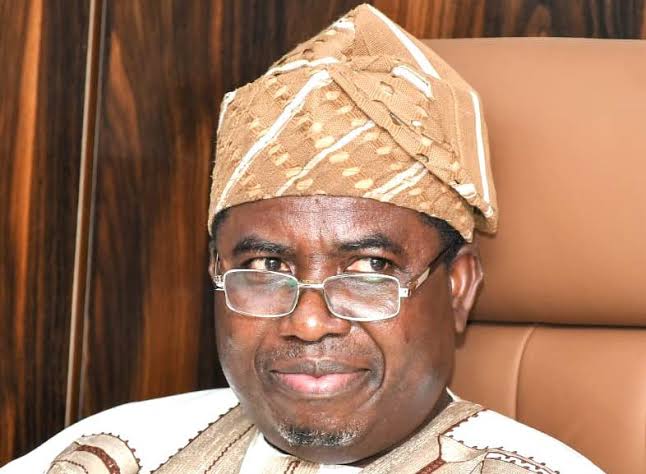
LAGOS — Prominent economist and founder of Anap Foundation, Atedo Peterside, has raised critical questions regarding the conduct of the Independent National Electoral Commission (INEC) during the recently concluded August 15, 2026 Osun State governorship election.
In a statement shared via his verified X handle, Peterside demanded urgent explanations from the electoral body over unexplained delays, sudden surges in uploaded data, and missing polling unit results on the INEC Result Viewing Portal (IReV).
Reflecting on his initial election night monitor, Peterside listed three core technical anomalies that he argues compromise public confidence in the commission’s electronic infrastructure.
Three Critical Questions for INEC
Unexplained Transmission Delay and Sudden Spike: Peterside queried why result transmission on the IReV portal froze completely for nearly three hours on election night—between 20:48 hrs and 23:42 hrs—only for 236 polling unit results to be dumped onto the platform in less than 60 seconds immediately after the delay.
Post-Declaration Uploads: He questioned why 51 polling unit results were uploaded to the portal only after a winner had already been declared by the returning officer.

Missing Polling Unit Data: He noted that 11 polling unit results remained unaccounted for and missing on the IReV portal days after the conclusion of the exercise.
”I still believe that INEC owes Nigerians clear answers… Notwithstanding the final outcome, electoral integrity depends entirely on complete transparency and technical accountability,” Peterside stated.
Background to the Osun 2026 Polls
The August 15, 2026 Osun State governorship election saw incumbent Governor Ademola Adeleke win a second term in office after polling 511,067 votes to defeat his closest challenger, Bola Oyebamiji of the All Progressives Congress (APC), who polled 444,815 votes.
While international and domestic observer groups acknowledged the voting process across most of the state’s 3,763 polling units as generally peaceful, concerns over the technological reliability of the Bimodal Voter Accreditation System (BVAS) and the real-time public availability of IReV uploads continue to draw public scrutiny from civic leaders and election monitors.
As of press time, INEC has yet to issue an official response regarding the specific timing sequence and portal logs raised in Peterside’s inquiry.
