

By Emmanuel Thomas l Thursday, Sept 10, 2026
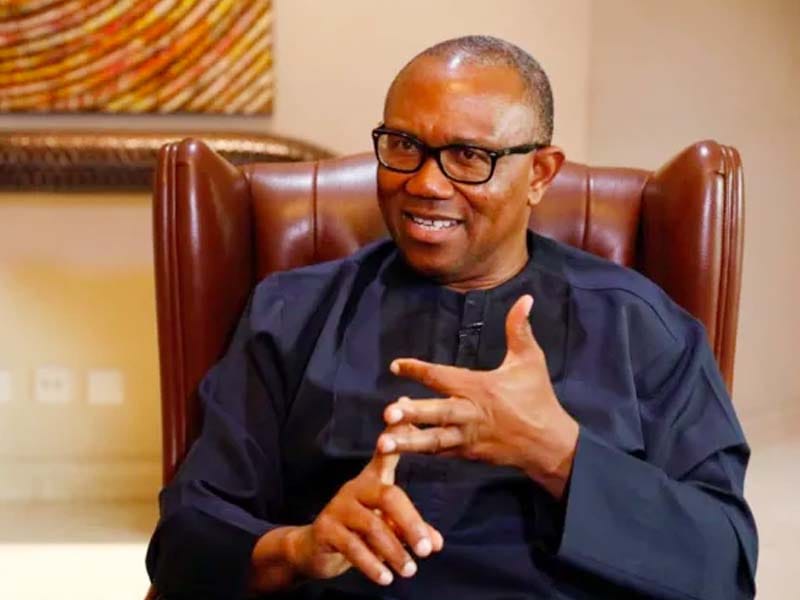
LAGOS — Former presidential candidate Peter Obi has asserted that Nigeria’s historical tragedies, including the 1966 coups and the civil war, must be repurposed as strategic resources for national transformation rather than used as tools for division.
Addressing public reactions following a recent media interview where he faced questions on the 1966 coups, Obi maintained that aspiring leaders must remain transparent, accessible, and willing to address any facet of the nation’s history. He emphasized that transparency is a fundamental duty to the electorate.
“As I travel across Nigeria and listen to Nigerians of all ethnic and religious identities, I have had opportunities to reflect on the many tragedies we have experienced in Nigeria, including the 1966 coups, the civil war, and the various mass violence that have plagued different parts of the country,” Obi stated.
According to him, these historical setbacks were fundamentally avoidable and stem directly from leadership failures, particularly the inability to ensure equal rights, enforce constitutional protections, and guarantee justice without fear or favor. However, he argued that historical mistakes are not fatal and can be systematically converted into catalysts for societal growth.

Drawing comparisons with global models of recovery, Obi highlighted how nations turned profound national trauma into economic miracles.
He pointed to Japan’s post-colonial trajectory between 1920 and 1970, South Korea’s economic rise under General Park from 1960, and China’s structural reinvention under Deng Xiaoping following the Cultural Revolution. He also cited continental examples, noting how Rwanda leveraged recent devastation to engineer robust national unity and economic progress.
“The difference in human history is having leaders who do not maximise those pasts for selfish ambition but leverage them to build a prosperous future for all,” Obi remarked, outlining his vision for a united, stable, and productive Nigeria.
The political leader underscored the urgent need for a progressive governance framework focused on shared national identity over sectarian divides.
He reiterated his readiness to lead from the front, comfort the aggrieved, and steer the nation away from an ugly past toward an equitable future where citizenship rights remain uncompromised by ethnicity, religion, or social status.
“Our past is important, but our past is not our destiny. Our future is what we do with our past. Our past is our resource for national transformation. We are ready to transform Nigeria,” he concluded, affirming his enduring mantra that a new Nigeria remains possible.
