

By SCM International Desk I Monday, August 31, 2026
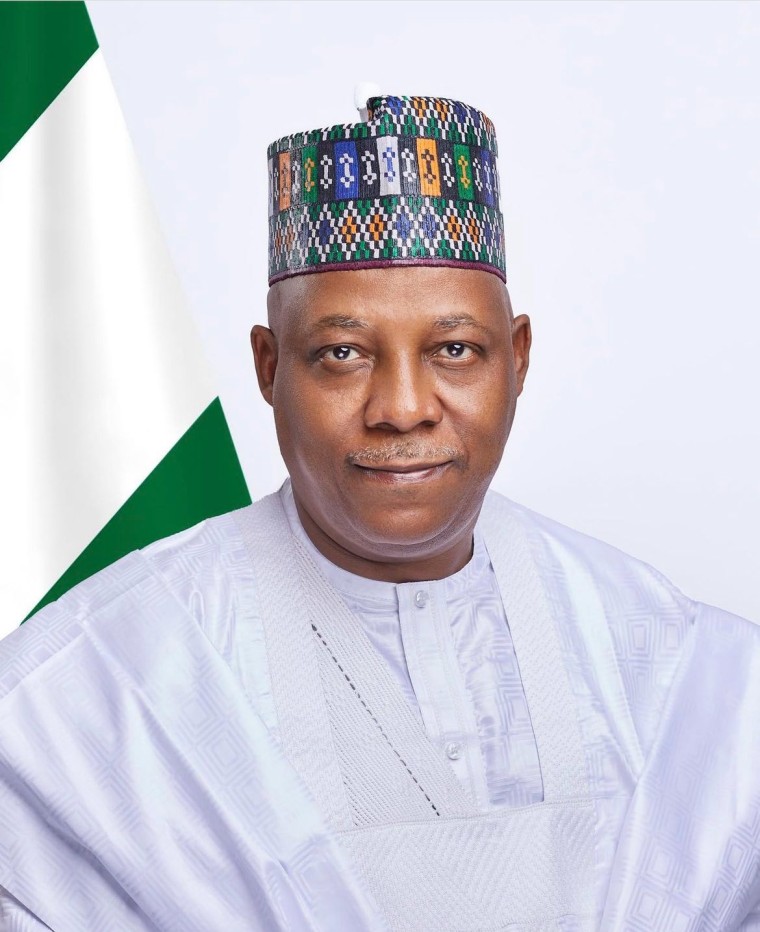
LUANDA, Angola — In a sharp escalation of diplomatic rhetoric between two of Africa’s largest economies, Nigeria’s Vice President Kashim Shettima declared that his country will no longer tolerate the dehumanization or mistreatment of its citizens in South Africa, calling on Pretoria to urgently curb anti-immigrant violence.
Speaking as he concluded engagements at the 21st Extraordinary Session of the Assembly of Heads of State and Government of the African Union (AU) in Luanda, Shettima emphasized that South Africa must fundamentally rethink its stance on xenophobic and Afrophobic attacks targeting foreign African nationals.
”Nigeria will no longer stand by while its citizens face systemic violence, harassment, or marginalization,” Shettima noted while departing the Angolan capital.
He represented President Bola Ahmed Tinubu at the high-level summit, which gathered heads of state to address pressing regional security challenges, conflict prevention, and continental integration.
Escalating Tensions and Historical Context
The remarks highlight deep-seated diplomatic friction between Nigeria and South Africa that has simmered for over a decade. South Africa has experienced recurring waves of anti-immigrant violence, often fueled by local economic frustration, high unemployment rates, and populist political rhetoric blaming foreign nationals for crime and public sector strain.
Nigerian immigrants—alongside nationals from Zimbabwe, Mozambique, and Somalia—have frequently been targeted in township raids, commercial boycotts, and violent physical assaults.

Past outbreaks in 2008, 2015, and 2019 resulted in multiple fatalities, the destruction of foreign-owned businesses, and retaliatory boycotts of South African corporate entities operating across West Africa.
Despite historical solidarity—where Nigeria played a key diplomatic and financial role in supporting South Africa’s anti-apartheid struggle—the treatment of Nigerian migrants in post-apartheid South Africa has strained relations between West Africa’s primary power and Southern Africa’s industrial hub.
At the Luanda summit, Nigeria pushed for structural remedies to safeguard migrant rights and enhance continental security frameworks.
The Nigerian delegation formally endorsed the Luanda Action Plan, advocating for sustainable financing of the African Union’s peace and security architecture alongside robust early-warning conflict mechanisms.
Shettima argued that Afrophobia undermines the foundational principles of the African Continental Free Trade Area (AfCFTA) and broader Pan-African integration. He urged AU member states to take collective ownership of internal security while holding governments accountable for protecting non-nationals within their borders.
As Vice President Shettima returned to Abuja, diplomatic observers noted that Nigeria’s firm public stance signals a more assertive foreign policy under the Tinubu administration, emphasizing diaspora protection as a core pillar of its international engagements.
