

By SCM International Desk I Monday, August 31, 2026
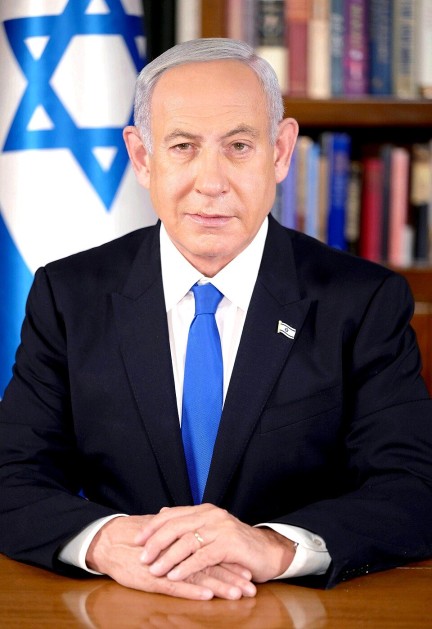
JERUSALEM — Facing an intense domestic political campaign, Israeli Prime Minister Benjamin Netanyahu has openly touted his leverage over American public opinion and Washington’s leadership, claiming credit for coaxing the United States into direct military conflict with Iran.
Speaking to domestic audiences in Hebrew over the weekend, Mr. Netanyahu boasted that his relentless campaign on U.S. media networks laid the groundwork for American military involvement.
“It took a long time to get the U.S. to come to its senses,” Mr. Netanyahu said. He asserted that direct joint action was achieved only after he spent “almost 1,000 hours on American television” convincing American leaders and the public of the necessity of striking Tehran’s infrastructure.
The remarks represent a stark dynamic: while Mr. Netanyahu frequently uses carefully crafted, laudatory language toward President Donald J. Trump in English, his campaign rhetoric at home frames the military escalation as the direct result of his own persuasion.
The comments sparked immediate international pushback.

In Tehran, Iranian Foreign Minister Abbas Araghchi condemned the statements, accusing Mr. Netanyahu of gloating about manipulating Washington into a regional conflict on Israel’s behalf.
The White House and the Trump administration have historically pushed back against assertions that U.S. national security decisions were dictated by foreign leaders, maintaining that military strikes were launched to protect American forces and interests.
The relationship between Mr. Netanyahu and Mr. Trump has long oscillated between public displays of alignment and private friction.
Decades of Media Strategy: Mr. Netanyahu’s reference to “1,000 hours” on American television points to his decades-long strategy of going directly to the U.S. public.
Fluent in English and deeply familiar with American media, the Israeli Prime Minister has consistently used appearances on Sunday news shows, cable networks, and special broadcasts to shape Washington’s policy debate surrounding Iran’s nuclear and regional capabilities.
Domestic Electoral Pressures: Facing steep political competition and scrutiny over security policies in Israel, Mr. Netanyahu has repeatedly leaned on his stature as a world leader who can sway American policy.
By claiming responsibility for bringing American military power to bear against Iran, he aims to reassure his right-wing voter base of his singular capability to handle national security threats.
Washington’s Stance: Administration officials, including Secretary of State Marco Rubio, have asserted that American strategic moves in the Middle East—including preemptive actions against missile launch sites and regional threats—were executed independently to prevent wider escalation and protect U.S. personnel.
