

By SCM REPORTER
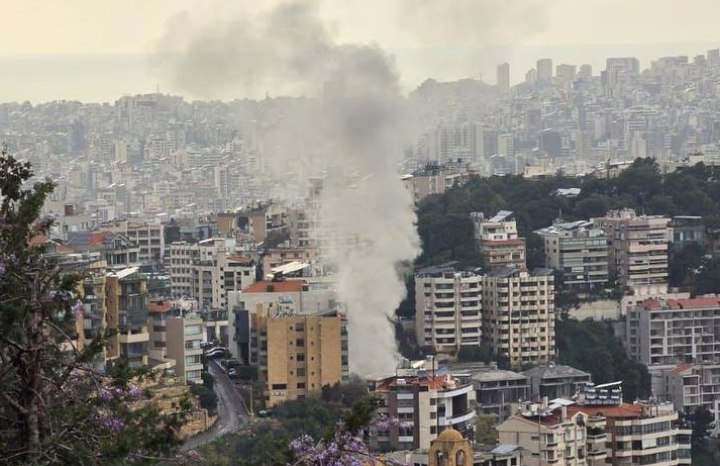
THE death toll in Lebanon has soared past a grim milestone today as health officials confirmed more than 1,000 civilians have been killed since Israel launched its ferocious military campaign.
Heartbreaking figures released by the Lebanese Ministry of Health reveal the true scale of the carnage tearing through the country. Since the “Israeli aggression” began on March 2, a staggering 1,072 people have lost their lives.
Another 2,966 have been left maimed or wounded as airstrikes continue to rain down on towns and cities.
The blitz, which is now entering its fourth week, has turned residential streets into rubble-strewn warzones. Doctors in Beirut and Southern Lebanon say they are “overwhelmed” as the number of casualties climbs by the hour.
A spokesperson for the Ministry of Health warned that the hospitals are at breaking point, struggling to treat the nearly 3,000 injured civilians caught in the crossfire.
The conflict erupted on March 2 following months of simmering border tensions. While Israel maintains its strikes are targeting military infrastructure, the skyrocketing civilian toll has sparked international outrage and fears of a “total war” engulfing the Middle East.

British officials have urged any remaining UK nationals in the region to “get out now” as the situation spirals out of control.
To provide context for your readers, here is the essential background on the current crisis:
The Timeline: The current escalation began in earnest on March 2, 2026, following a period of intensified rocket fire and border skirmishes. It marks the most significant military action in the region in years.
The Combatants: The conflict primarily involves the Israeli Defense Forces (IDF) and Lebanon-based Hezbollah, though the Lebanese Ministry of Health figures focus specifically on the civilian impact within Lebanese borders.
The Humanitarian Crisis: Beyond the death toll, the conflict has displaced hundreds of thousands of people. International aid agencies are warning of a “catastrophic” shortage of medical supplies and clean water in the hardest-hit areas of Southern Lebanon and the Bekaa Valley.
Geopolitical Stakes: The UK, US, and UN have been scrambling to broker a ceasefire, fearing that a full-scale ground invasion could draw in regional powers and spark a wider global conflict.
