

By SCM Correspondent
BEIRUT — The fragile security landscape of the Middle East fractured further this week as Israeli fighter jets launched a series of powerful airstrikes targeting the Lebanese capital of Beirut.
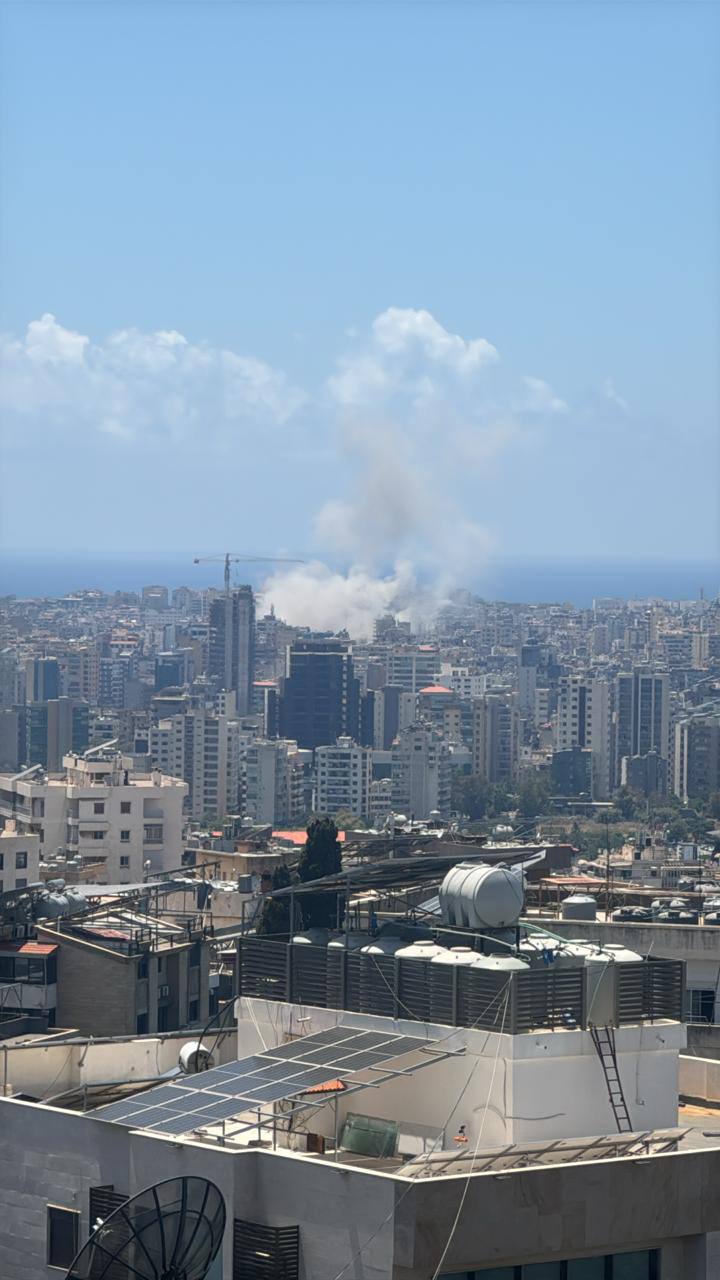
The heavy bombardment, which reverberated across the city and sent thick plumes of grey smoke into the sky, targeted what the military described as operational command assets belonging to the militant group Hezbollah.
The high-stakes military action marks a sharp escalation in hostilities along the volatile northern front, threatening to unrave ongoing regional diplomatic efforts aimed at maintaining a tenuous cross-border truce.
In an official statement released shortly after the explosions rocked the capital, the Israel Defense Forces (IDF) confirmed they were targeting Hezbollah strongholds within Beirut—specifically focusing on the densely populated Dahieh district, a known hub for the group’s political and military command.
According to the IDF, the airstrikes were a direct, necessary response to repeated violations of territorial sovereignty by Hezbollah, which had launched a volley of cross-border rockets and explosive drones into northern Israel earlier in the day.
”The IDF operates under a strict mandate to protect the citizens of the State of Israel,” the military statement read. “In response to the continuous and unprovoked rocket attacks launched by the Hezbollah terror organization from Lebanese soil into Israeli territory, our air forces have executed targeted strikes against military command centers and weapons infrastructure in Beirut. We will not tolerate aggression against our borders or our communities.”
Israeli defense officials underscored that their policy remains firm: any direct fire into internationally recognized Israeli territory would be met with swift, asymmetric retaliation against Hezbollah’s high-value strategic assets in the heart of Lebanon.
In Beirut, the strikes shattered windows, disrupted traffic, and sparked widespread panic across commercial and residential neighborhoods.
Witnesses described hearing successive sonic booms followed by the deep rumble of detonations that shook building foundations miles away from the target zone.

Emergency response units, including the Lebanese Red Cross and civil defense teams, rushed to the affected areas as sirens wailed through the streets.
The Lebanese Ministry of Health reported that the strikes caused multiple casualties, with preliminary figures indicating several deaths and dozens of injuries. Local residents, many of whom have endured months of sporadic cross-border volatility, fled the southern suburbs in search of safer ground, packing into vehicles and filling central city thoroughfares.
Hezbollah issued a defiant counter-statement shortly after the raids, claiming that its initial rocket fire into Israel was a justified reaction to what it described as ongoing Israeli tactical incursions and reconnaissance overflights in southern Lebanon.
The group asserted that it remains fully prepared to expand its range of fire if Israel continues to strike deep within the Lebanese sovereign boundaries.
The latest exchange has drawn swift international concern, throwing a wrench into international diplomatic channels. Mediators have been actively working behind the scenes to formalize a stable framework and prevent local border skirmishes from snowballing into a full-scale regional war involving regional patrons.
Political analysts warn that striking Beirut represents a significant escalatory step. While peripheral cross-border artillery duels in the south have become common, targeting the capital bypasses unofficial “rules of engagement” that have historically limited the geographical scope of conflict.
Observers note that the direct involvement of the capital city places intense pressure on the Lebanese government and significantly increases the probability of a broader, sustained military confrontation that could destabilize the eastern Mediterranean for months to come.
As night fell over Beirut, the hum of surveillance drones could still be heard overhead.
The IDF maintained its high-alert status along the northern border, reiterating that further military options remain on the table if the rocket fire from Lebanon does not cease immediately.
