

By SCM Foreign Desk
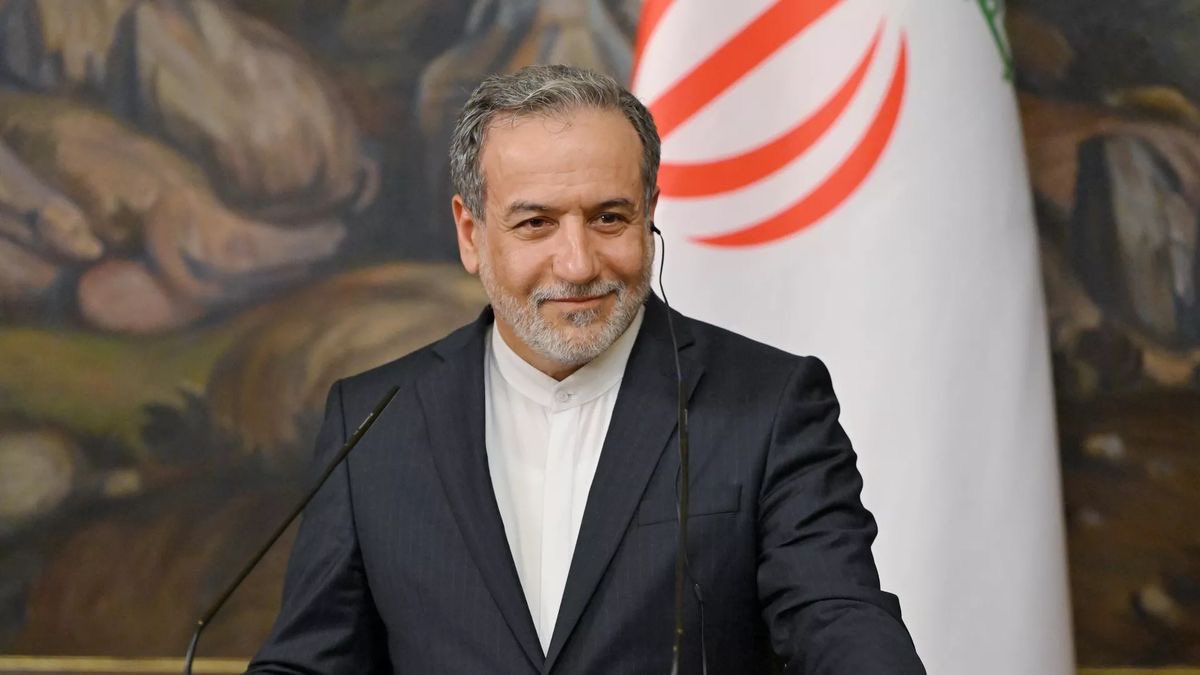
WASHINGTON — In a sharp escalation of financial and diplomatic brinkmanship, Iranian Foreign Minister Abbas Araghchi warned on Thursday that any attempt by the United States to confiscate frozen state assets to pay for commercial shipping damages would set a dangerous precedent, threatening that the resulting global fallout would be neither “pretty nor peaceful.”
The warning came in response to a declaration by President Donald J. Trump, who posted on his social media platform, Truth Social, that Washington intends to use Iranian money currently under U.S. control to cover losses caused by recent maritime attacks in the region.
”Please let this statement serve to represent, until further notice, that from this point forth, any and all damages done to Ships, Cargo, or anything related thereto, will be paid for by Iranian Money that the United States has in its possession, and controls,” Mr. Trump wrote. Acknowledging that the costs could be “very substantial,” the president maintained that redirecting Tehran’s seized funds was the “fair and equitable thing to do.”
The exchange marks a sharp widening of the conflict between Washington and Tehran, pushing the confrontation beyond air strikes and naval maneuvers into the volatile realm of international finance and legal sovereignty.
Writing on the social media platform X, Mr. Araghchi forcefully condemned the policy, characterizing the move as an unlawful expropriation.
”Seizing another nation’s assets to pay for unrelated future claims is an incendiary precedent,” Mr. Araghchi wrote. “Those who celebrate or profit from such funds should remember: once governments normalize confiscation, no one’s assets are safe. Ensuing chaos will not be pretty or peaceful.”

Key Context: Iran holds an estimated $100 billion in frozen assets worldwide due to long-standing American and international sanctions. While only a fraction of those funds sits directly within U.S. jurisdiction, Washington exercises tremendous influence over global banking networks, enabling it to restrict or liquidate foreign accounts tied to sanctioned regimes.
The rhetoric comes amidst an deteriorating security situation in the Strait of Hormuz, the narrow waterway between Oman and Iran through which roughly one-fifth of the world’s petroleum passes. Commercial vessels navigating the corridor have faced unprecedented hazards from missile strikes, drone attacks, and sea mines.
The U.S. military and its regional allies have repeatedly accused Tehran—along with its network of regional proxies, including Yemen’s Houthi rebels—of targeting international shipping and disrupting vital trade routes. Tehran, conversely, asserts its right to police the strait, accusing Washington of unprovoked aggression and militarizing international waters.
The economic ramifications have already rippled across energy markets. Global crude oil benchmark prices have surged in recent weeks as maritime insurance premiums skyrocketed for commercial tankers operating in the Middle East.
Legal and financial experts noted that unilateral confiscation of foreign sovereign assets to satisfy future or speculative damages poses significant hurdles under international law. Traditionally, state assets protected by sovereign immunity cannot be liquidated without explicit international consensus, judicial decree, or formal treaties.
”Once you cross the line of repurposing frozen sovereign funds for ongoing operational damages without a structured judicial legal mechanism, you fundamentally alter international property rights,” said a senior international law scholar based in Washington. “It creates a slippery slope that could spook foreign central banks holding assets in Western financial institutions.”
Despite the foreign minister’s stern warnings, Mr. Trump showed no sign of backing down, signaling that economic compensation would remain a core pillar of his administration’s pressure campaign against Iran.
As diplomatic channels remain stalled and regional tensions remain at a precipice, both capitals appear braced for a prolonged conflict that spans the skies, the seas, and the global financial system.
