

By SCM Foreign Affairs Correspondent
ISLAMABAD, Pakistan – An official delegation from Iran began a series of urgent, closed-door meetings with Pakistani leaders on Tuesday, as diplomats and regional power brokers launched a high-stakes effort to salvage a crumbling ceasefire framework and prevent a expanding conflict between Tehran, the United States, and Israel from spiraling out of control.
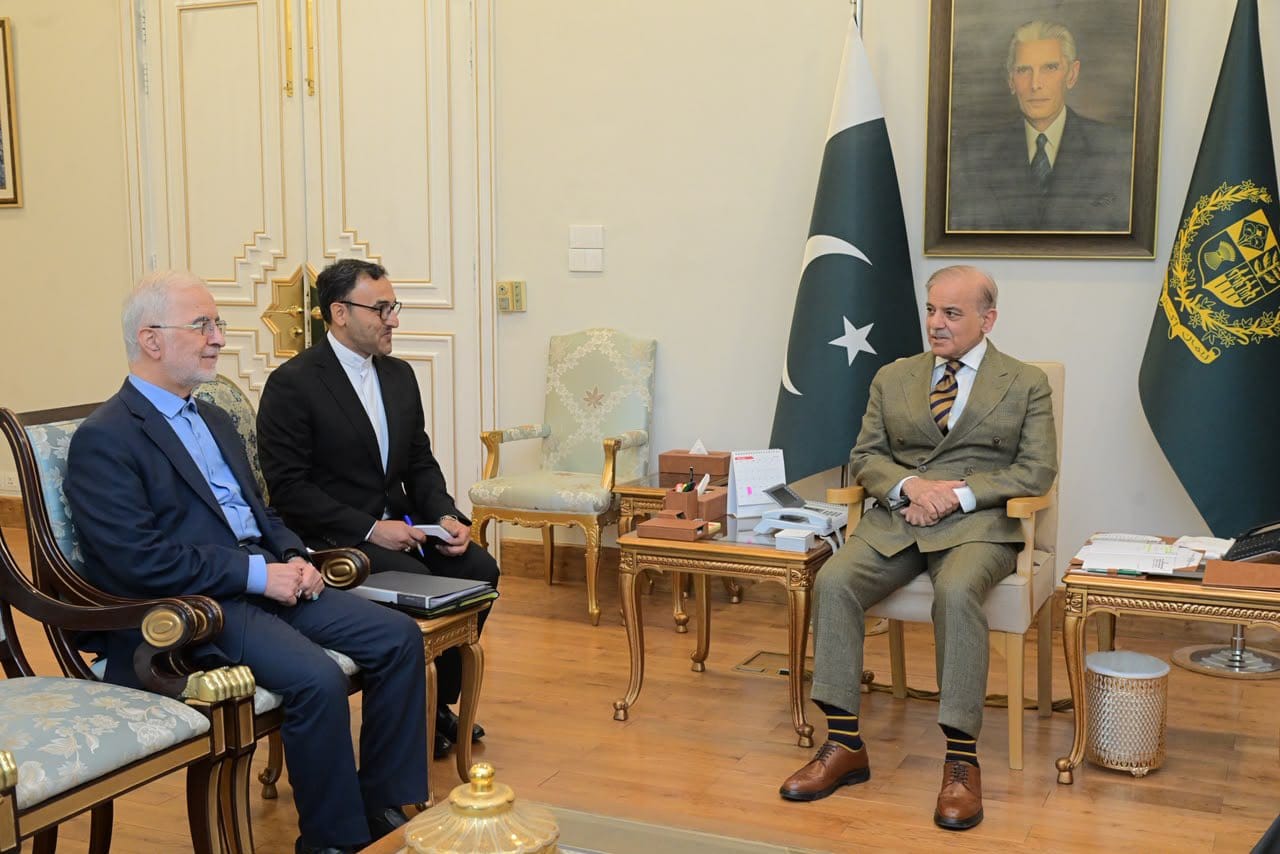
The delegation, headed by Iranian Interior Minister Eskandar Momeni, met in the Pakistani capital with the country’s army chief, Field Marshal Asim Munir, before scheduled consultations with Prime Minister Shehbaz Sharif.
According to regional officials briefed on the discussions, the talks represent a crucial backchannel attempt to establish baseline terms for de-escalation after weeks of escalating military friction in the Middle East.
”Whenever the parties exhaust the logic of escalation, the formula for peace is there,” said Mumtaz Zahra Baloch, speaking for Pakistan’s Foreign Ministry, acknowledging the extreme complexity of current diplomatic efforts while emphasizing that mediation channels remain active.
A Delicate Diplomatic Balancing Act
Pakistan’s emergence as the primary mediator in the crisis marks a notable shift in South Asian and Middle Eastern geopolitics. While previous diplomatic exchanges between Washington and Tehran were frequently facilitated by Gulf nations such as Oman and Qatar, those channels faced strain as regional strikes touched Gulf territories housing American bases.
Islamabad offers a distinct geopolitical position:

Geographic Proximity: Pakistan shares a porous, 560-mile western border with Iran, giving it a direct national security interest in stabilizing its neighbor.
Balanced Alliances: Despite solidifying a mutual defense arrangement with Saudi Arabia and maintaining deep security ties with Washington, Islamabad has preserved functional diplomatic and intelligence lines with Tehran.
Neutral Ground: Lacking direct military confrontation with Israel or Host-nation status for forward U.S. combat wings, Pakistan provides a rare neutral venue for indirect message exchange.
Working alongside Qatari diplomats and Egyptian intelligence officials, Pakistani negotiators have used secured communication channels to shuttle draft proposals between Iranian representatives and Western interlocutors.
The Bottleneck at Hormuz and Global Stakes
The driving urgency behind Tuesday’s negotiations centers on the Strait of Hormuz—the narrow waterway through which approximately 20 percent of the world’s petroleum transits.
Renewed maritime disruptions and retaliatory air engagements have effectively throttled commercial shipping through the Persian Gulf, driving global crude oil benchmark prices upward and rattling international energy markets.
While Washington has insisted on guaranteed free transit for all commercial traffic, Tehran has sought to leverage its geographical position over the strait to secure formal commitments on sanctions relief and cessation of military actions.
