


By SCM REPORTER
IRAN has sensationally accused the United States of sabotaging a “once-in-a-lifetime” peace deal just “inches” before it was signed, ending nearly half a century of deep-seated hostility.
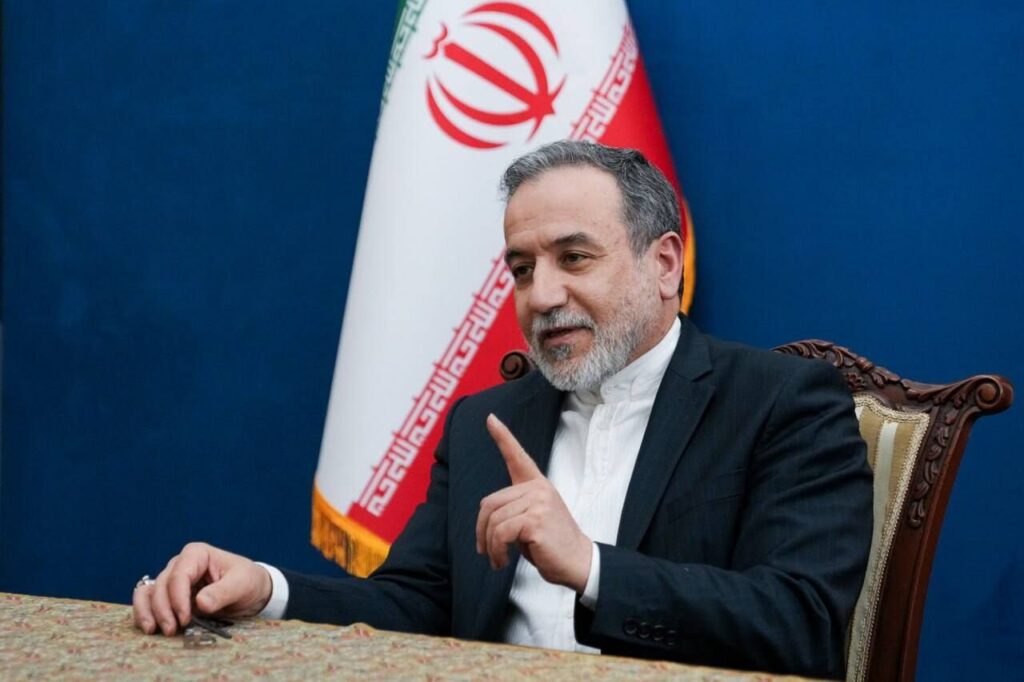
In an explosive statement that has sent shockwaves through diplomatic circles, Seyed Abbas Araghchi revealed that the two nations had engaged in their most intensive, high-level talks since the 1979 Revolution.
The goal? A definitive end to decades of shadow warfare and the signing of what was dubbed the “Islamabad MoU.”
According to Araghchi, Tehran entered the negotiations in “good faith,” hoping to finally thaw the icy relations that have frozen the two powers for 47 years. However, he claims that just as a breakthrough was within reach, Washington “shifted the goalposts.”
”When just inches away from the Islamabad MoU, we encountered maximalism, shifting goalposts, and blockade,” Araghchi stated.
The Iranian official slammed the US approach, suggesting that American negotiators reverted to “maximalist” demands—diplomatic speak for asking for everything while giving up nothing.
The fallout marks a bitter return to the status quo. Araghchi warned that the missed opportunity is a result of the US failing to understand the basic mechanics of diplomacy.
His message to the White House was blunt:
”Zero lessons learned.”
”Good will begets good will.”
”Enmity begets enmity.”
What was the ‘Islamabad MoU’?
While the specific details of the Memorandum of Understanding remain shrouded in mystery, insiders suggest it was a comprehensive roadmap designed to:
De-escalate military tensions in the Middle East.
Lift crippling economic sanctions on Tehran.
Establish a formal communication channel to prevent accidental nuclear escalation.
The collapse of the talks suggests a “blockade” in thinking on both sides. While Tehran paints itself as the jilted party, critics in the West are likely to argue that Iran’s “good faith” was a smokescreen for further regional influence.
For now, the 47-year feud remains wide open, with the “Islamabad MoU” relegated to the scrapheap of history.
As Araghchi warned, with good will now off the table, the world may have to brace for the return of “enmity.”