

By SCM International Desk I Friday, August 21, 2026
THE HAGUE – The International Court of Justice declared that Israel’s decades-long presence in the Occupied Palestinian Territory is unlawful, issuing a sweeping advisory opinion that calls on the nation to end its occupation, dismantle its settlements, and evacuate its civilian population from the West Bank and East Jerusalem as rapidly as possible.
The ruling by the United Nations’ highest judicial body marks one of the most comprehensive legal condemnations of Israel’s territorial policies since 1967.
Reading the majority opinion at the Peace Palace in The Hague, the court’s president, Judge Nawaf Salam, stated that Israel’s policies—including the expansion of settlements, systemic land exploitation, and the annexation of territory—violate foundational principles of international law, including the prohibition against the acquisition of territory by force.
”The sustained abuse by Israel of its position as an occupying power through the annexation and assertion of permanent control over the Occupied Palestinian Territory renders Israel’s presence in those territories unlawful,” the court stated.
While the court determined that Israel’s occupation of the Palestinian territories—comprising the West Bank, East Jerusalem, and Gaza—is illegal, the judges did not declare the sovereign State of Israel itself illegitimate.
Rather, the ruling addresses the legal status of Israel’s control over lands captured during the 1967 Middle East War, rejecting Israeli claims of sovereignty over those areas.
The court further concluded that all UN member states are under a legal obligation not to recognize the occupation as lawful, nor render aid or assistance that helps maintain the status quo.
Additionally, the tribunal ordered Israel to pay reparations to affected Palestinian communities for damages caused by land confiscation and settlement construction.

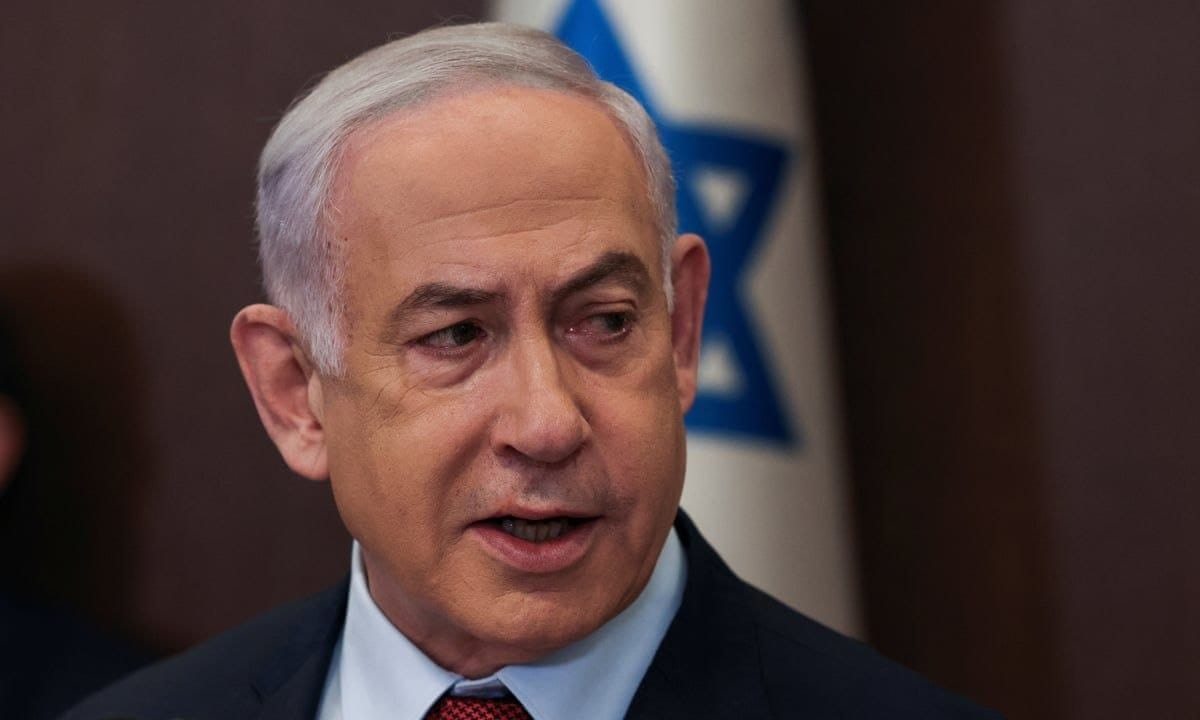
In Jerusalem, Israeli officials swiftly rejected the opinion. Prime Minister Benjamin Netanyahu called the ruling a “decision of lies,” maintaining that the Jewish people cannot be considered occupiers in their historic homeland.
Israeli legal representatives, who declined to participate in oral arguments before the court, argued in written submissions that such proceedings ignore Israeli security imperatives and undermine negotiated peace frameworks.
Conversely, Palestinian officials praised the decision as a momentous victory for international law and self-determination.
Palestinian leadership called on the UN General Assembly and Security Council to enforce the court’s directives.
The case stems from a December 2022 request by the UN General Assembly, which asked the ICJ to render an advisory opinion on the legal consequences arising from Israel’s policies and practices in the occupied territories. Over 50 countries provided written or oral statements during the proceedings.
Legal Weight vs. Enforcement: As an advisory opinion, the ruling is non-binding under international law, meaning the ICJ has no independent mechanism or police force to compel Israeli compliance.
Enforcement relies on political action by the United Nations Security Council, where the United States holds veto power, or through individual state actions such as targeted trade restrictions and diplomatic pressure.
Clarification on Sovereignty: Misinformation following international legal decisions often confuses the legality of an occupation with the statehood of the occupying power.
The ICJ’s ruling focuses exclusively on the non-acquisition of territory by force under the UN Charter and Fourth Geneva Convention, leaving Israel’s recognized international borders intact while finding its governance over occupied lands since 1967 invalid under international law.
