

By SCM Foreign Desk I Wednesday, July 22.26
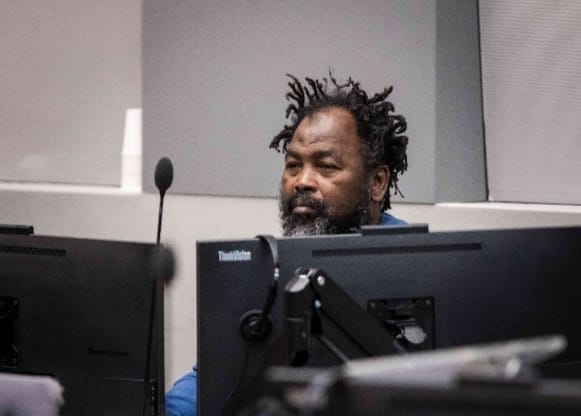
THE HAGUE — The International Criminal Court announced on Wednesday that it will render its long-awaited verdict in September in the trial of Mahamat Said Abdel Kani, a former commander of the predominantly Muslim Séléka rebel alliance accused of directing systemic torture and atrocities during the civil war in the Central African Republic.
Trial Chamber VI scheduled the public delivery of its judgment on conviction or acquittal for September 23, 2026, at 11:00 a.m. local time in The Hague.
The announcement marks the culmination of a four-year judicial proceeding focused on abuses committed at a notorious detention center in the capital city of Bangui during the height of the country’s ethnic and religious conflict in 2013.
Mr. Said faces multiple counts of crimes against humanity, including torture, severe deprivation of physical liberty, persecution, and other inhumane acts. He is also charged with war crimes, specifically torture, cruel treatment, and outrages upon personal dignity.
Prosecution lawyers allege that while serving as an operational supervisor at the Office Central de Répression du Banditisme (OCRB)—a police unit converted into a detention facility—Mr. Said oversaw and directly participated in the brutal treatment of political opponents and civilians perceived as supporters of former President François Bozizé.
The charges against Mr. Said stem from one of the darkest chapters in the modern history of the Central African Republic. In early 2013, the Séléka, a coalition of armed groups drawn largely from the country’s Muslim minority, swept into Bangui and ousted President Bozizé.
The takeover sparked widespread violence against civilians and triggered the formation of predominantly Christian and animist vigilante militias known as the Anti-balaka.
The resulting conflict plunged the nation into systemic sectarian violence, forcing hundreds of thousands to flee their homes and bringing the government to the brink of total collapse.

At the OCRB center in Bangui, human rights monitors and prosecution witnesses testified that detainees were subjected to horrific physical conditions, routine beatings, and structural torture designed to punish real or suspected enemies of the Séléka regime.
The trial, which formally opened on September 26, 2022, has moved through a lengthy evidentiary phase. Over the course of 130 public hearings, Presiding Judge Miatta Maria Samba and her panel heard testimony from 58 prosecution witnesses who detailed the command structure of the Séléka forces and the conditions within the OCRB.
The defense, which called three witnesses to contest the prosecution’s narrative, concluded its presentation of evidence on September 2, 2025.
Final closing statements wrapped up in late November 2025, with defense counsel arguing that Mr. Said did not possess the operational control or intent required to establish individual criminal responsibility under the Rome Statute.
The proceedings have also featured direct involvement from victims. Thirty-two victims, represented by legal counsel Sarah Pellet, were granted formal participation rights to present their views to the bench.
Presumption of Innocence and Legal Framework
Under Article 74 of the Rome Statute, the founding treaty of the court, the panel of judges—comprising Judge Samba, Judge María del Socorro Flores Liera, and Judge Sergio Gerardo Ugalde Godínez—must determine whether the prosecution has met the burden of proving guilt beyond a reasonable doubt.
In accordance with international legal standards, Mr. Said is presumed innocent until proven guilty.
If convicted, a separate sentencing phase will follow; if acquitted, he will be ordered released, subject to potential emergency appeals by the prosecution. Both the defense and the office of the prosecutor retain the right to appeal the trial chamber’s ultimate ruling to the ICC’s Appeals Chamber.
The September 23 ruling will be streamed live globally, serving as a landmark milestone in international efforts to hold individual commanders accountable for atrocities committed during the Central African crisis.
