

By SCM Foreign Desk I Monday, July 20, 2026
WASHINGTON — The conflict in West Asia has careened into a dangerous new phase following a ninth consecutive night of intense American bombardment across Iran. Iran’s Health Ministry reported on Monday that at least 50 people have been killed and more than 500 others wounded since the latest wave of U.S. strikes began earlier this month.
The figures, released by ministry spokesman Hossein Kermanpour, represent a stark human toll in a rapidly widening theater of war. According to Iranian officials, the dead and injured include dozens of civilians, women, and children, though Washington maintains its parameters are strictly focused on degrading the Islamic Republic’s military capabilities.
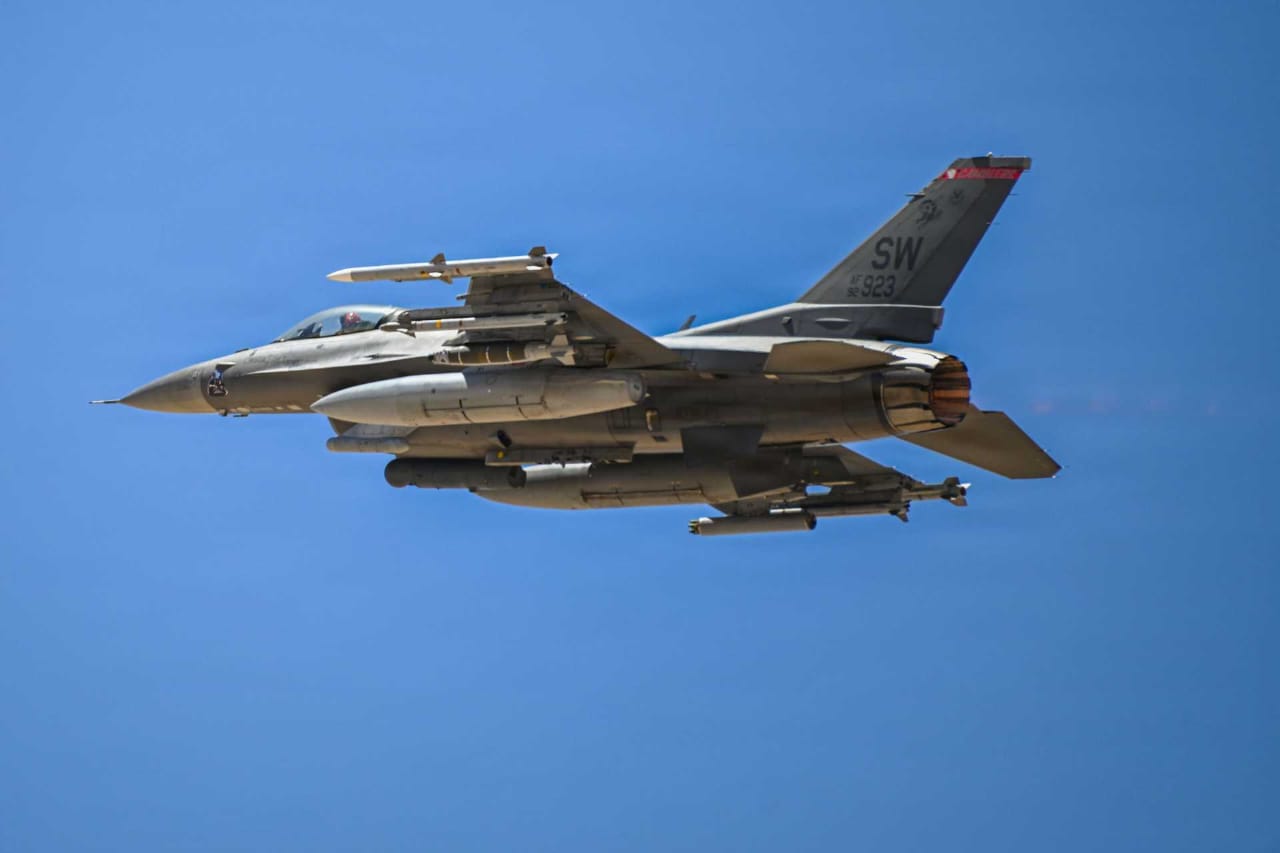
The Pentagon confirmed that U.S. Central Command (CENTCOM) has targeted a vast array of high-value infrastructure, including command centers, ballistic missile facilities, air defense networks, and maritime assets. While initial operations were concentrated around the strategic Strait of Hormuz, Monday’s sorties expanded deep into Iran’s interior and northern provinces, striking locations near the country’s sole operational civilian nuclear power plant in Bushehr.
The current violence marks a devastating collapse of the diplomatic progress forged brief weeks ago. In June, Washington and Tehran signed a temporary memorandum aimed at lifting mutual naval blockades and restoring a semblance of stability to the global energy supply. However, that truce shattered on July 8 following back-and-forth skirmishes over shipping lanes.
The situation dissolved completely after an Iranian drone and missile barrage struck a U.S. military installation in Jordan, killing two American service members—identified by the Pentagon as First Lieutenant Tyler James Feehan, 25, and Private Isabella Gonzales, 19—and leaving another missing.
President Donald Trump, speaking from Washington, characterized the American response as a necessary and forceful retaliation. “We hit them very hard,” the President stated, reiterating that the operations would continue until Iran’s ability to threaten international shipping and American personnel is thoroughly neutralized.
The return to open warfare has instantly reverberated through global markets. Oil prices surged to a one-month high on Monday as Tehran re-instituted its total blockade of the Strait of Hormuz, a vital choke point through which roughly 20 percent of the world’s petroleum transit passes.
The regional fallout has similarly widened. In tandem with the U.S. strikes, Iran’s Revolutionary Guards launched retaliatory operations overnight, striking targets across the border in Jordan, Syria, and Kuwait.

In Kuwait, Iranian projectiles reportedly struck near the Ali Al Salem air base and ignited a fire at a critical power and water desalination facility. Sirens were also reported near the U.S. Navy’s Fifth Fleet headquarters in Bahrain amidst warnings of potential regional drone strikes.
Despite the ferocious kinetic exchange, paths for backchannel diplomacy have not been completely severed. Iranian Foreign Ministry spokesman Esmaeil Baghaei noted in a press conference that diplomatic messages are still being quietly transmitted via international mediators.
However, with both capitals entrenched and casualty numbers climbing on both sides, the prospects for a near-term de-escalation appear increasingly remote.
The current iteration of the conflict must be understood within the broader framework of the 2026 Iran War, which originally erupted on February 28, 2026.
The Initial Outbreak (February 2026): Hostilities initially broke out following a massive, coordinated U.S. and Israeli air campaign—codenamed Operation Epic Fury by Washington—which targeted senior leadership in Tehran amidst collapsing nuclear negotiations. Those initial strikes resulted in the assassination of several high-ranking Iranian officials, including Supreme Leader Ali Khamenei, throwing the nation into political flux.
The Asymmetric Strategy: Deprived of its top command structure, Iran adopted a decentralized defensive doctrine. Operating through regional allies and highly mobile missile units, the country successfully choked off commercial transit in the Persian Gulf, triggering historic shocks to the global aviation, agricultural, and energy sectors.
The June Truce and July Collapse: By June, the staggering economic toll—including over $113 billion in costs directly absorbed by U.S. taxpayers—forced both nations to the negotiating table, resulting in a short-lived maritime truce.
The current July escalation represents a total return to the high-intensity attrition warfare seen at the start of the year, with the added complication of direct, fatal strikes on sovereign Iranian soil and U.S. regional bases.
