

By SCM Foreign Desk I Monday, July 20, 2026
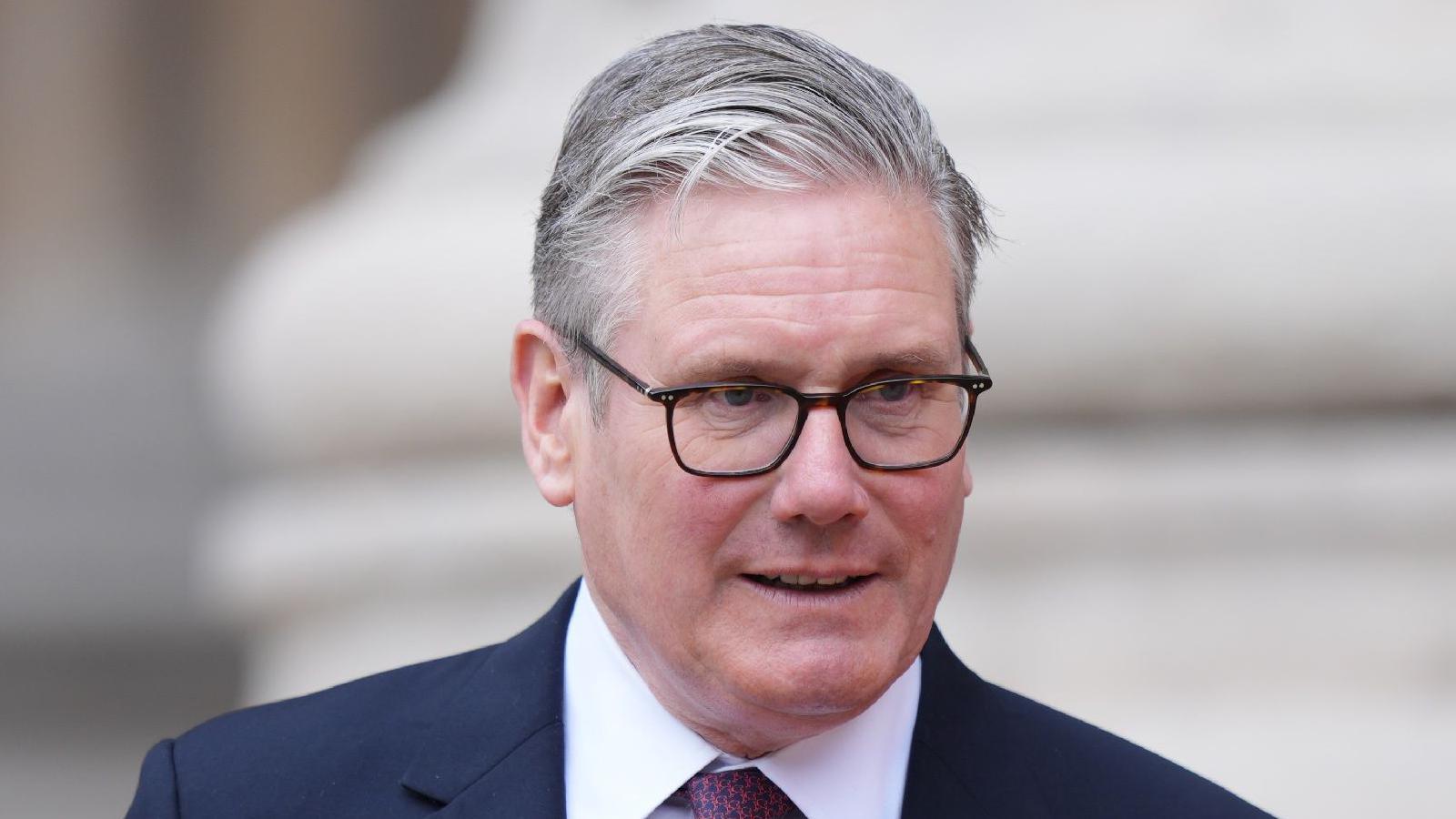
LONDON — In a sensational day of political high drama, Sir Keir Starmer has officially resigned as Prime Minister of the United Kingdom after just two turbulent years in power. In his place, former Manchester Mayor Andy Burnham has completed a historic march on London, officially appointed as the new Prime Minister by King Charles III at Buckingham Palace.
The dramatic changing of the guard marks one of the most remarkable political comebacks in modern British history. Burnham, long dubbed the “King of the North,” has seized the keys to 10 Downing Street to become the UK’s seventh Prime Minister in a single decade.
The Moment Starmer Blinked: Why the PM Walked
The sudden exit of Sir Keir Starmer brings a grinding halt to a premiership that began with a historic landslide victory in 2024 but quickly deteriorated into a quagmire of low approval ratings and economic stagnation.
Insiders reveal that the final straw came following months of intense internal pressure from within the Labour Party, alongside catastrophic local election performances where a surging Reform UK relentlessly cannibalized Labour’s working-class heartlands. Starmer’s administration had become defined by:
A Gripping Cost-of-Living Crisis: Sluggish economic growth and stubborn inflation left British voters feeling poorer despite a change in government.
The U-Turn Plague: Public backlash mounted over high-profile policy reversals, which critics used to paint Starmer as a leader without a core conviction.
The Red Wall Collapse: Terrified Labour MPs, looking at devastating polling data, realized they faced wipeout at the next general election under Starmer’s banner.
Recognizing that a protracted, bloody leadership contest would completely paralyze the country, Starmer chose to step down gracefully rather than face a humiliating backbench coup.
In a bittersweet farewell address outside the famous black door of 10 Downing Street, Starmer sought to protect his legacy, reminding the public of the scale of his 2024 victory.
”In six and a half years I took our party from a historic defeat in 2019, changed it so it was fit to face the country, and won a landslide general election victory in 2024,” Starmer declared, a tight smile on his face. “I go with good grace, I go with a smile, and I go proud of everything we have achieved. As I now pass the baton to Andy Burnham, I wish him every success.”
Enter the ‘King of the North’
The arrival of Andy Burnham at No10 represents a profound shift in British politics. The 56-year-old modernizer engineered a flawless, hyper-strategic return to Westminster that completely caught the party’s southern-centric hierarchy off guard.
Burnham resigned his high-profile position as Mayor of Greater Manchester after triggering a calculated special election in the safe Labour seat of Makerfield. Winning the seat handily, he re-entered the House of Commons and immediately launched a lightning-fast leadership campaign.

Promising to heal the widening chasm between London and the rest of the UK, Burnham rapidly united the warring factions of the Labour Party, presenting himself as the only candidate capable of holding off the populist threat from both the Right and Left.
Burnham’s In-Tray: The Immediate Priorities
Standing on the steps of Downing Street after his audience with the King, the newly minted Prime Minister wasted no time in drawing a sharp contrast with his predecessor.
”What we’ve been doing hasn’t been working,” Burnham said, in a blunt assessment that will raise eyebrows among Starmer’s remaining loyalists. “I am going to try and do things in a different way.”
The new PM faces a staggering mountain of challenges as he takes the reins of a fractured nation:
1. Economic Stabilization
Burnham’s first and most critical test will be calming the volatile financial markets. He must urgently address lingering inflation, tackle intense public spending pressures, and draft an emergency budget that simulates real growth without triggering a tax revolt.
2. Restoring Political Trust
After a decade of dizzying prime ministerial turnovers—spanning Cameron, May, Johnson, Truss, Sunak, Starmer, and now Burnham—the British public has grown deeply cynical. Burnham must project absolute stability to restore faith in the office of the Prime Minister.
3. Nationalizing the Northern Model
The signature policy of the Burnham administration will be a radical expansion of regional devolution. He intends to take the regional growth strategies he pioneered in Greater Manchester and apply them on a national scale, shifting power away from Whitehall bureaucrats and directly into the hands of local communities.
The Historical Background: A Decade of Revolving Doors
To understand the sheer magnitude of Burnham’s ascension, one must look at the unprecedented instability that has plagued British politics over the last ten years.
This extraordinary chain of events has left the electorate exhausted. Starmer’s sudden departure proves that even a massive parliamentary majority is no longer a shield against economic reality and shifting public moods.
All eyes now turn to Burnham to see if the “King of the North” can successfully rule the South, or if he will become just another casualty of the ultimate political revolving door.
