

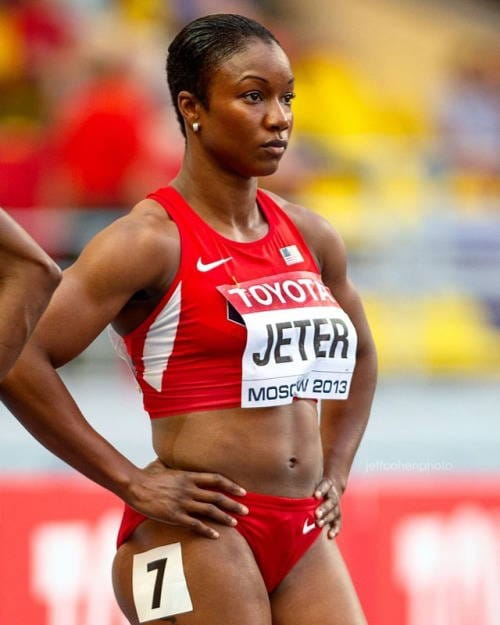
By SCM Sports DeskI July 14, 2026
PARIS — In a sweeping move aimed at dismantling decades of entrenched voyeurism in sports media, the European Broadcasting Union (EBU) has enacted a strict ban on broadcast techniques that sexualize female competitors.
The new directive completely reimagines how track and field events are produced, shifting the television lens away from the physical anatomy of athletes and steering it firmly toward athletic performance and raw human emotion.
The comprehensive framework explicitly prohibits several camera techniques that have long drawn criticism from athletes and gender-equity advocates alike.
Moving forward, live sports directors and camera operators will no longer be permitted to utilize low-angle framing, tight rear-view close-ups of athletes’ bodies, or excessive slow-motion replays that focus on non-sporting anatomy.
The decision marks a critical turning point for the EBU, an alliance of public service media organizations that reaches an audience of over one billion people across Europe and beyond. According to the union, the new guidelines are designed to raise editorial standards and ensure that women in sports are covered on equal terms with their male counterparts.
“Women’s sport deserves to be seen, covered, and valued on equal terms,” said Glen Killane, Executive Director of EBU Sport, during the policy’s rollout.
“These guidelines mark an important step forward and set a clear expectation that coverage of women’s athletics needs to reflect technical ability and compelling storytelling.”
The EBU’s updated production playbook outlines explicit visual parameters that target what media theorists have long categorized as the “male gaze” in sports broadcasting. Broadcasters are instructed to treat the track as a arena of high-stakes skill rather than an exhibition.
The core changes implemented under the new broadcast policy include: Elimination of Low-Angle Formatting: Preventing cameras positioned on the ground or track surface from tilting upward unnecessarily during warm-ups or technical preparations.
Restriction on Rear-View Focus: Mandating that starting-line and starting-block close-ups prioritize side profiles or frontal expressions of focus rather than lingering on an athlete’s lower torso.

Curbing Excessive Slow-Motion Replays: Restricting the slow-motion isolation of rhythmic body movements unless it directly serves to illustrate technical execution, such as a high-jumper’s spine flexion or a pole vaulter’s release.
The background of this decision is rooted in a boiling, multi-year reckoning over how female athletes are viewed on the global stage. For years, elite competitors have voiced frustration that their achievements are minimized by broadcast crews—predominantly male—who routinely zoom into bikini bottoms, sports bras, and muscle groups with impunity.
The movement gained massive traction during recent international cycles. At the Tokyo Olympics, the German women’s gymnastics team made global headlines by swapping traditional bikini-cut leotards for full-body unitards to protest sexualization.
Similarly, activist groups launched campaigns like “Change the Angle,” using live event tracking to prove that women are ten times more likely than men to be objectified by targeted camera angles during sports broadcasts.
Even the International Olympic Committee’s broadcasting arm, the Olympic Broadcasting Services (OBS), issued a stark warning to its crews during the Paris Games, admitting that “unconscious bias” still led camera operators to frame men and women differently.
Industry-Wide Implications
The EBU developed these guidelines in close collaboration with European Athletics, the governing body for track and field across the continent. It also carries the formal endorsement of high-profile Olympians, including British pole vaulter Holly Bradshaw and Serbian long jumper Ivana Španović, both of whom have been vocal about the mental toll of invasive media coverage.
By establishing these rules across its vast rights portfolio, the EBU is forcing a structural shift in television production trucks.
Technical directors will now have to train crews to hunt for micro-expressions of focus, sweat, and tactical grit rather than falling back on legacy framing habits.
For the athletic community, the ban is less about censorship and more about reclaiming dignity. As sports viewership climbs to historic highs globally, Europe’s broad public broadcasters have declared that an athlete’s body is an instrument of elite human achievement—not an object of commercial titillation.
