

By SCM Sports Desk I Thursday, August 27, 2026
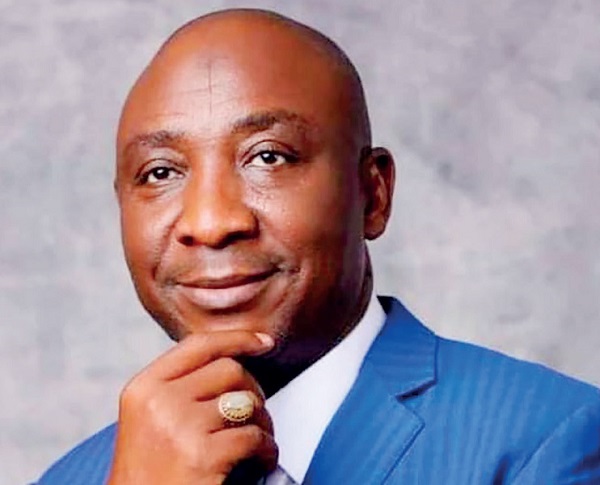
ABUJA — In a historic and unprecedented turn of events, the President of the Nigeria Football Federation (NFF), Alhaji Ibrahim Musa Gusau, has officially resigned from his position alongside members of the NFF Executive Committee and the federation’s long-serving General Secretary, Dr. Mohammed Sanusi.
The mass departure marks the dramatic collapse of the leadership structure at the Glass House following weeks of escalating pressure from football stakeholders, sports administrators, and fans. Dr. Sanusi confirmed the development on Thursday, acknowledging that both he and the NFF President had bowed out of their roles.
The sudden resignation of the entire board has thrown the country’s sports ecosystem into uncharted territory. It comes less than a month before the planned NFF Elective Congress, originally scheduled for September 27 in Lafia, Nasarawa State.
The exodus leaves a power vacuum at the top, prompting immediate moves by the National Sports Commission (NSC) to establish a Normalisation Committee to temporarily manage the affairs of Nigerian football.
The resignation of the Gusau-led administration—which took charge of the NFF in September 2022 following the exit of Amaju Pinnick—is the culmination of a deep-seated crisis spanning poor on-field performances, public outrage, and mounting scrutiny over financial management.
1. On-Field Misfortunes and World Cup Heartbreaks
The immediate trigger for the board’s collapse stems from a string of high-profile sporting failures. Public outrage reached a boiling point after the Super Eagles failed to qualify for the 2026 FIFA World Cup, missing out on the global showpiece after a painful play-off defeat.
The pressure intensified when the Super Falcons, traditionally Africa’s dominant female team, failed to secure qualification for the 2027 FIFA Women’s World Cup in Brazil.

Having participated in every edition since 1991, Nigeria’s historic absence from the tournament sealed the fate of the board, as prominent ex-internationals, analysts, and fans demanded immediate administrative reform.
2. Financial Investigations and Anti-Graft Probe
Compounding the competitive failures was intense financial scrutiny from Nigeria’s anti-graft agencies.
Security operatives, including the Economic and Financial Crimes Commission (EFCC) and the Independent Corrupt Practices Commission (ICPC), launched investigations into the utilization of a massive federal government intervention fund—reported to be between ₦12 billion and ₦17 billion—released to settle player allowances, coaches’ salaries, and operational costs. Reports of unpaid bonuses to national team players further damaged the administration’s standing.
What Next for Nigerian Football?
The abrupt exit of the executive committee has disrupted the election roadmap.
Stakeholders are watching closely as the National Sports Commission (NSC) works to put together a Normalisation Committee to review the NFF statutes, restore administrative stability, and oversee a transparent electoral process to usher in new leadership.
