


tinubutttBy Emmanuel Thomas, SCM Reporter
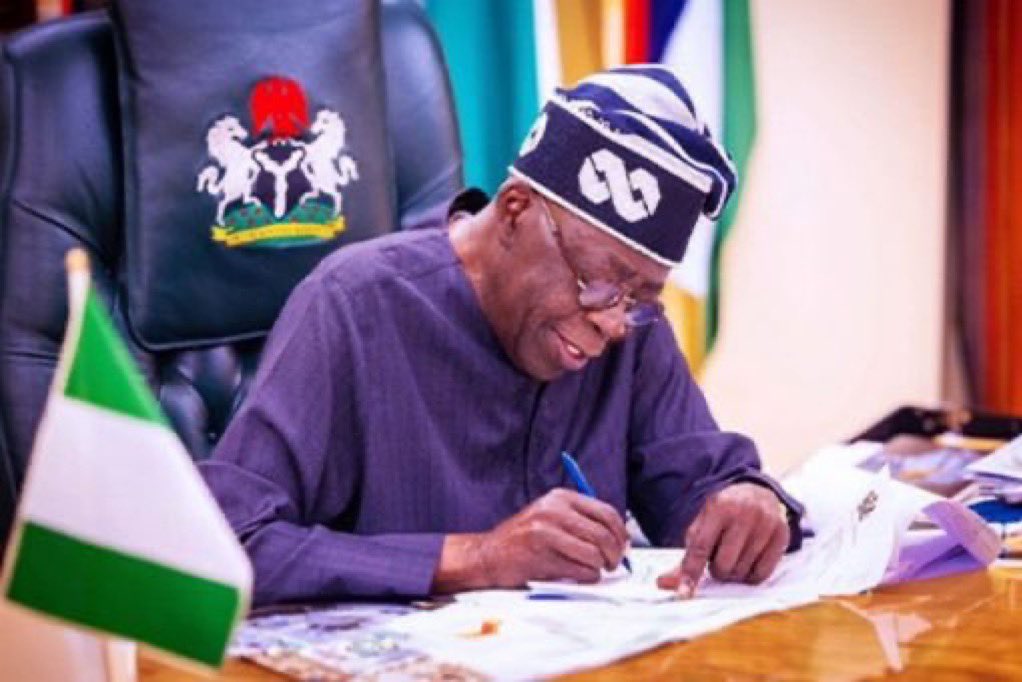
NIGERIA’S debt crisis has reached a staggering new peak as President Bola Tinubu asks for the green light on yet another massive foreign loan.
In a formal letter to the Senate, President Tinubu requested approval for a $516 million (£410m) facility from Deutsche Bank. The fresh cash injection is earmarked for the construction of the Sokoto–Badagry Super Highway, a major infrastructure project aimed at linking the north and south-west of the country.
However, the request has sparked fresh fears over the nation’s “debt trap.” If the Senate signs off on the deal, Nigeria’s total public debt will skyrocket to approximately ₦170 trillion.
The speed at which the African powerhouse is racking up IOUs has left economists reeling. Since taking office in May 2023, the Tinubu administration has overseen an unprecedented surge in borrowing.
May 2023: Debt stood at ₦49.85 trillion.
Current Forecast: Set to hit ₦170 trillion.
The Difference: An increase of over ₦120 trillion in less than three years.
Experts warn that the crisis is being fueled by a “double whammy” of new borrowing and a crumbling currency. While the government continues to seek international credit, the dramatic depreciation of the Naira has caused the value of existing external debt to balloon when converted into local currency.
”While this $516 million loan is less than 1% of the total debt, it’s the cumulative weight that is the problem,” warned one financial analyst. “We are reaching a point where debt sustainability is no longer a theory, but a daily struggle.”
The loan request has been handed over to the Senate Committee on Local and Foreign Debts. Lawmakers are expected to grill officials on the terms of the Deutsche Bank facility and whether the country can actually afford to pay it back.
As the “Giant of Africa” grapples with rising inflation and a cost-of-living crisis, many Nigerians are asking: how much more weight can the national wallet take before it snaps?