

By SCM International Desk I Monday, Sept 14, 2026
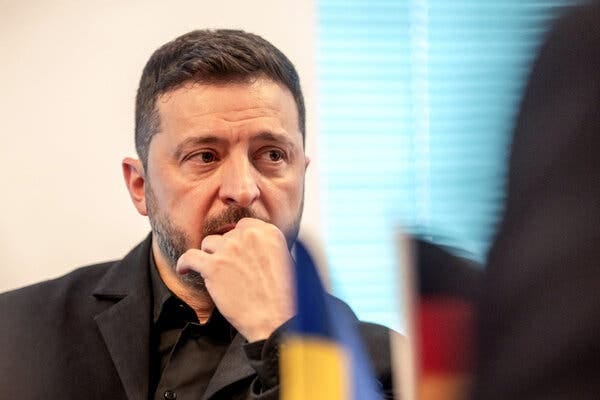
KYIV, Ukraine — Ukrainian President Volodymyr Zelenskyy has offered to halt Ukraine’s strikes against Russian energy infrastructure, proposing a mutual moratorium on attacks targeting food, power, and essential civilian supply networks.
The proposal, which aims to safeguard vital infrastructure, comes as daily long-range strikes continue to damage power grids, port logistics, and agricultural supply chains across the region.
Key Details of Zelenskyy’s Proposal
Scope of Protection: Zelenskyy outlined protections covering energy facilities, power grids, maritime ports, logistics corridors, food warehouses, and pharmaceutical distribution centers.
Reciprocal Commitment: If Ukraine’s partners can ensure Russia refrains from hitting basic utilities, Zelenskyy confirmed that Ukraine is ready to enact a corresponding halt to its own strikes against Russian targets.

Demand for Verifiable Guarantees: Zelenskyy explicitly voiced skepticism over Moscow’s reliability, stating that any agreement must be backed by international enforcement to prevent Russia from breaking its promises after easing internal economic or fuel pressures.
Zelenskyy framed the measure as a potential catalyst for broader diplomatic progress, emphasizing that any deal must yield a lasting impact on civilian life rather than serve as a temporary pause.
”The war must be brought to an end. And a de-escalatory step regarding critical infrastructure could be the first step toward peace,” President Volodymyr Zelenskyy stated. “We expect specifics from our partners.”
Russian forces have consistently targeted Ukraine’s power grid, water utilities, and agricultural export hubs, leaving millions of civilians vulnerable to rolling blackouts and heating outages during winter months.
In response, Ukraine has escalated its long-range drone campaign against oil refineries, fuel depots, and logistical nodes inside Russia. These strikes have directly impacted Russian gasoline and diesel production, applying domestic economic pressure on the Kremlin.
By publicly putting this proposal forward, Zelenskyy places the responsibility on Western allies to negotiate and enforce binding constraints on Moscow, positioning a halt on infrastructure attacks as a key test for future peace negotiations.
