

By SCM International Desk I Wednesday, Sept 15, 2026
SANAA, Yemen — Tensions in the Arabian Peninsula escalated sharply over the past 24 hours following a dramatic aerial engagement over northern Yemen.
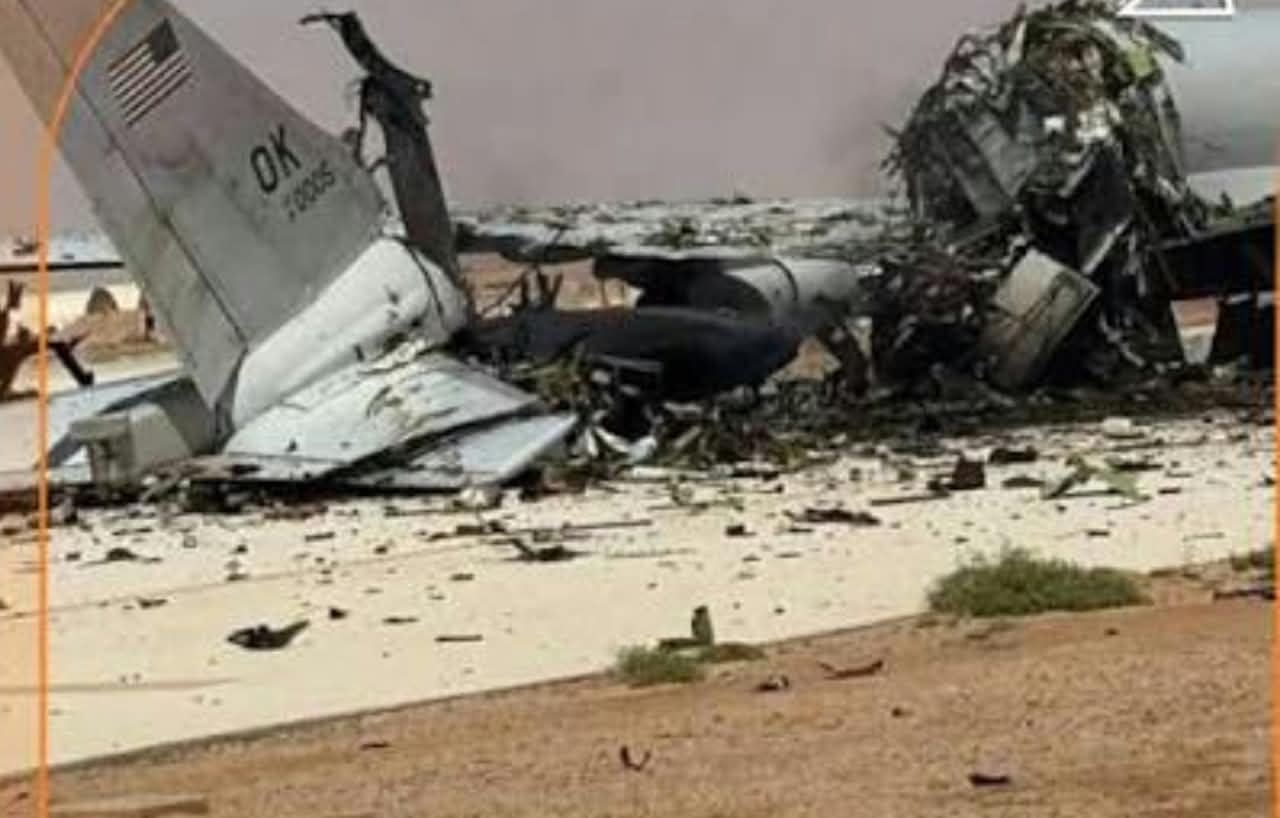
A Saudi coalition fighter jet was brought down in hostile airspace, triggering a high-stakes search-and-rescue mission that saw additional coalition aircraft forced away by ground-to-air missile fire.
The incident unfolded in the rugged terrain bordering the strategic provinces of Marib and Al-Jawf, a heavily contested zone that has remained a flashpoint throughout the ongoing conflict.
According to regional military updates, the aircraft was struck while conducting operations in the area.
Following the strike, the aircraft crashed in Yemeni territory. While the armed Houthi movement—officially known as Ansar Allah—claimed responsibility for the shootdown, the pilot successfully ejected and avoided capture by Houthi fighters.
In a critical turn of events on the ground, forces loyal to the Saudi-led coalition reached the ejection site first, securing the pilot and preventing a major hostage crisis.
Shortly after the crash, coalition command scrambled an F-15 fighter jet to locate the wreckage and secure the crash site.
However, as the aircraft entered the airspace between Marib and Al-Jawf, it came under fire from locally manufactured Yemeni surface-to-air missile systems.
The heavy anti-aircraft fire forced the F-15 to take immediate evasive maneuvers and abandon its search pattern, retreating from the targeted sector.

A Growing Air Defense Threat
The engagement highlights a significant and alarming evolution in the regional balance of power: the increasing sophistication of the Houthis’ air defense capabilities.
Over the past decade, the Yemen conflict has largely been characterized by coalition air dominance offset by Houthi asymmetric warfare, including long-range drone and ballistic missile strikes. However, the deployment of effective, locally assembled surface-to-air defense networks poses a direct threat to high-altitude coalition sorties.
Military analysts note that the proliferation of modified ground-to-air systems—often constructed using converted air-to-air missiles or reverse-engineered technology—has gradually restricted the safe operational window for foreign aircraft over northern Yemen.
The retreat of the F-15 underlines the rising risk profile for future reconnaissance and air support missions in the area.
The flashpoint provinces of Marib and Al-Jawf represent vital operational centers in the decade-long conflict.
Marib, rich in energy resources, serves as the last major northern stronghold for the internationally recognized Yemeni government, backed by the Saudi-led coalition. Al-Jawf, which borders Saudi Arabia directly, has seen frequent shifts in territorial control, making its airspace highly dangerous for military traffic.
Since the intervention of the Saudi-led coalition in 2015 to restore the internationally recognized government, the air war has been a central pillar of coalition strategy. While diplomatic efforts and intermittent ceasefires have periodically reduced frontline intensity in recent years, incidents involving downed aircraft threaten to shatter fragile regional truces and spark renewed escalation.
With the pilot now safely in friendly hands, military command turns its attention to assessing the loss of the warplane and evaluating the threat posed by newly deployed Yemeni missile batteries along the northern border.
.
