




Emmanuel Ukudolo I Thursday, Nov. 13, 2025
LAGOS, Nigeria – Recent reports from the occupied West Bank paint an alarming picture of escalating violence by Israeli settlers targeting Palestinian communities, property, and livelihoods.
The surge in violence has also directly contributed to the forced displacement of entire Palestinian communities, particularly from agricultural and Bedouin areas, a strategy critics argue is intended to cement control over more land
This surge, often described by observers as systematic and state-backed, constitutes a critical humanitarian and political crisis, particularly intensified during the vital annual olive harvest season.
The Scale of Destruction and Violence
The data compiled by human rights groups and UN agencies demonstrates a sharp upward trend in settler attacks, with October 2025 recording the highest monthly total since the UN began tracking incidents in 2006.
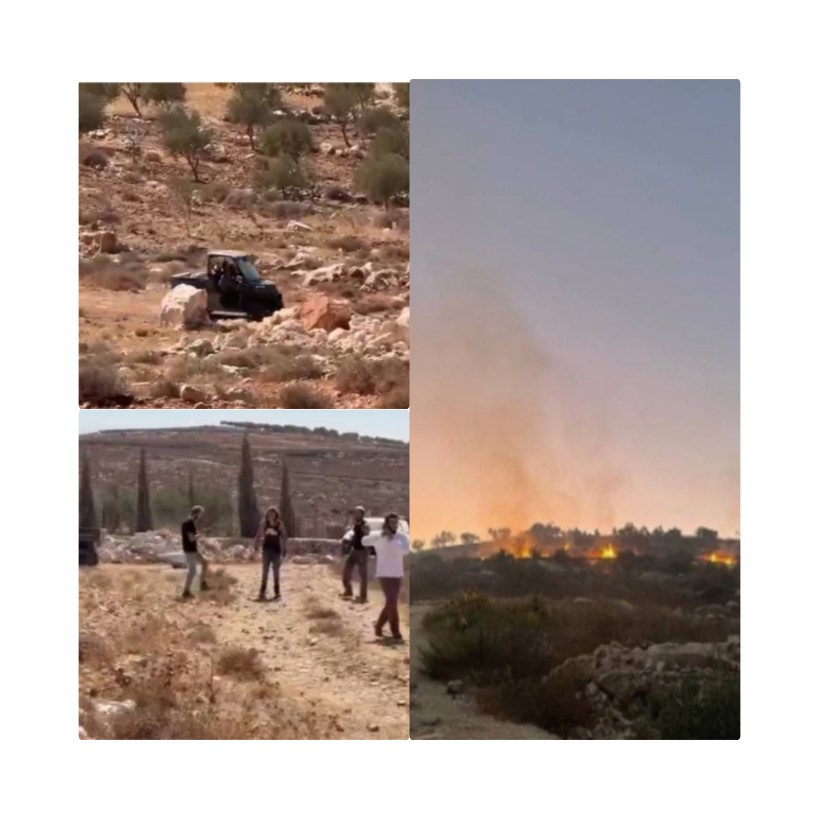
Destruction of Property and Arson: Settlers have been documented attacking Palestinian villages and towns, setting fire to vehicles, homes, tin shacks, and dairy facilities. These actions often appear coordinated and deliberate, aimed at causing maximum economic and structural damage.
Targeting of Farmland and Olive Trees: The agricultural sector, the economic backbone of many rural Palestinian communities, is a primary target.
Thousands of olive trees and saplings—many of them centuries old and a symbol of Palestinian heritage—have been burned, cut down, or vandalized.
For the thousands of families dependent on the olive harvest for their income, this destruction represents a critical assault on their very livelihood.
Some farmers have reported being prevented from accessing their land altogether, with estimates suggesting a record high percentage of farmers may be blocked from harvesting their crops this year.
Casualties and Forced Displacement: The violence is not limited to property. Settler attacks have resulted in Palestinian casualties, including deaths and injuries from physical assault, and in some cases, gunfire.
The surge in violence has also directly contributed to the forced displacement of entire Palestinian communities, particularly from agricultural and Bedouin areas, a strategy critics argue is intended to cement control over more land.
An Environment of Impunity: A consistent finding across numerous human rights reports is the near-complete impunity afforded to perpetrators.
Accounts frequently note that settler attacks occur under the watch, and sometimes with the participation, of Israeli security forces.
While high-ranking Israeli officials, including the President, have recently condemned the violence as “shocking,” the rate of arrests and successful prosecutions remains extremely low, reinforcing a sense of being above the law among radical elements.
The Strategic Context
The increasing settler violence is viewed by many analysts as a strategic, not spontaneous, campaign.
Land Seizure and Settlement Expansion: The destruction of Palestinian property and displacement of communities is directly linked to the expansion of illegal settlements and outposts.
By rendering Palestinian land unusable or inaccessible, settlers effectively pave the way for future annexation and solidify Israeli control over the occupied territory, in contravention of international law.
Economic Strangulation: The targeted destruction of the olive harvest—a key source of income—serves to economically suffocate Palestinian rural life, forcing families to abandon their land and migrate elsewhere.
Political Backing: The mainstreaming of the settler movement in Israeli politics, with key governmental figures openly supporting or protecting the settlement enterprise, has created a “permissive environment” for extremist actions.
This systematic campaign of destruction, maiming, and harassment against Palestinians underscores a severe breakdown of security and a failure to protect the occupied population, as required under international law.