



By SCM Staff Correspondent, SE
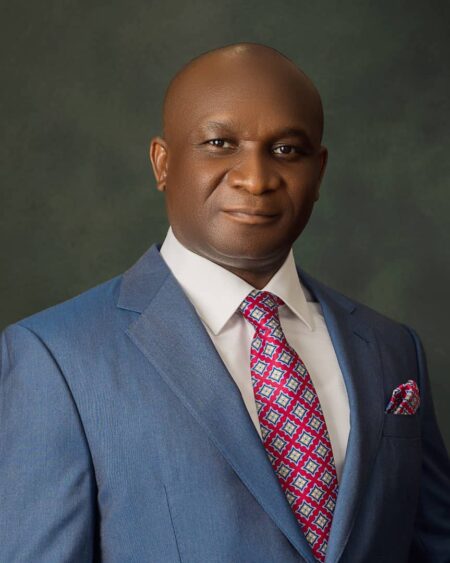
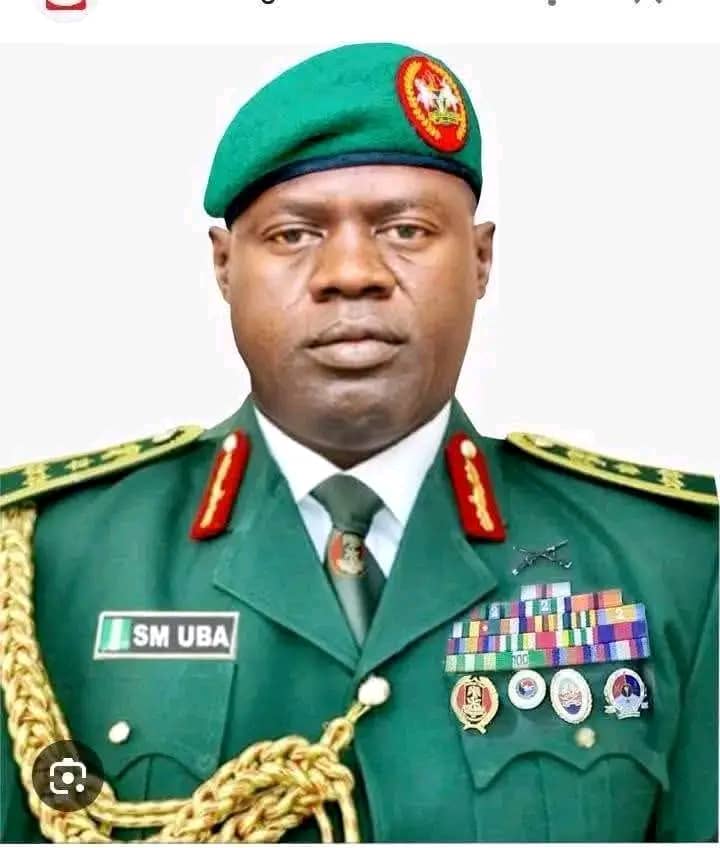
AWKA, Nigeria – Renowned Nigerian human rights lawyer and Lead Counsel to the Indigenous People of Biafra (IPOB), Sir Ifeanyi Ejiofor, has questioned how Brigadier General M. Uba could have been ambushed and killed by bandits without internal collaboration from within the security system.
Ejiofor, in a statement released on Wednesday titled “Midweek Musing: Unending Mourning — ISWAP Strikes Again and Nigeria Is Left Counting Its Wounds,” asked how an entire military detachment led by a Brigadier General could “walk straight into an ambush” without insider involvement.
According to him, Uba’s death should be “the final tragedy that forces the nation to confront its uncomfortable truth.”
He described the killing as “the last straw in a long history of sabotage, state failure, and strategic complacency.”
Ejiofor lamented that Nigeria, once a country with far fewer recorded ambushes, is now grappling with the abduction of 25 innocent schoolchildren while the nation “barely blinked.”
Instead of engaging in urgent national conversations, he said, Nigerians are distracted by “political theatrics shouting, chest-beating, and attempted arson while families in Borno, Yobe, Katsina, and Taraba silently pray for miracles.”
For over a decade, he noted, security experts have consistently warned that Nigeria’s greatest threat is not only the armed groups operating from remote forests but also the saboteurs embedded within the system,individuals who wear the uniform yet undermine the very institution they swore to protect. “The monsters do not always come with fangs; sometimes they come with ranks,” he said.
The human rights lawyer described as alarming the boldness with which armed bandits now operate, extorting “protection fees” from helpless citizens in a country that prides itself on having one of the largest armed forces in Africa. For such impunity to persist, he argued, “someone is withholding the truth, and Nigerians deserve to know that truth.”
Ejiofor stressed that until insider saboteurs are identified, prosecuted, and permanently removed from the security architecture, Nigeria’s fight against insurgency will remain “a painful cycle of avoidable heartbreaks.”
The statement reads in full:
MIDWEEK MUSING
UNENDING MOURNING:
ISWAP STRIKES AGAIN — AND NIGERIA IS LEFT COUNTING ITS WOUNDS
The Last Straw in a Long History of Sabotage, State Failure, and Strategic Complacency
Nigerians received the heartbreaking news of the death of Brigadier General M. Uba with a shock so overwhelming that even the strongest words feel embarrassingly inadequate. What many watched from those distressing clips was not just a tragic loss, but a bold display by enemies of the state, celebrating what they believe to be a “victory.” A victory as delusional as it is fleeting, because history has never recorded evil as an empire with a long life span.
Yet, in the middle of our collective grief, an old and uncomfortable truth quietly resurfaced:
For over a decade, experts have warned that the greatest threat to Nigeria’s security architecture is not only the hostile groups in the forests, but the saboteurs within the system, those individuals who wear the uniform but undermine the very institution they swore to protect. Monsters do not always come with fangs; sometimes they come with ranks.
And so, we must ask the question that refuses to go away:
How does a full military detachment, led by a Brigadier General, walk straight into an ambush, without insider collaboration?
How?
We have heard these warnings before, from commanders who held the line in Sambisa, from soldiers who defended this nation with their sweat and scars, from officers who survived missions that defied logic. They all said the same thing: internal sabotage has cost Nigeria some of its most painful military casualties.
So, what really happened here?
How did we descend to a point where a General, a symbol of our military pride and institutional memory, could be lost in such circumstances? This is not the kind of incident that deserves a hurried explanation. It demands a thorough, honest, and uncompromising internal investigation.
Even more disturbing is the national reaction, or, more accurately, the stunning lack of it.
While a General was taken down, the nation’s political temperature was boiling over a visibly choreographed spectacle at Wadata House, where loyalists nearly turned party property into barbecue, under the ever-patient watch of security personnel who, ironically, might have been more useful in the Northeast where actual battles are being fought. Apparently, protecting party chairs and plastic tables now ranks higher on the national priority list than protecting Nigerian lives. Who would have thought?
A friend recently reminded me of a contrast that is still difficult to ignore:
Under the tenure of retired CDS General Christopher Musa, major military casualties, especially involving senior officers, dramatically reduced. Coincidence? Competence? Organisational discipline? Effective intelligence management? Whichever it was, it was working.
Yet today, the same Nigeria that once recorded fewer ambushes is reeling from the abduction of 25 innocent schoolchildren, and somehow, the nation barely blinked. Instead, our national conversations are being hijacked by political theatrics, complete with shouting, chest-beating, and attempted arson, while families in Borno, Yobe, Katsina, and Taraba are silently praying for miracles.
Something is not aligning.
Someone is withholding the truth.
And Nigerians deserve answers.
Why this strange quietness?
Why this renewed audacity from violent elements?
Why this sudden resurgence of high-profile military casualties?
Today, armed bandits move about with startling boldness, negotiating so-called “protection fees” from hopeless citizens, in a country that proudly maintains one of the largest armed forces in Africa.
And what did the Senate do?
A one-minute silence.
For what, exactly?
To honour the departed?
Or to mourn a nation that has somehow forgotten the things it should truly be outraged about?
At some point, Nigeria must stop pretending.
The death of Brigadier General M. Uba must be the final tragedy that pushes this nation into confronting its uncomfortable truth:
Until saboteurs within are unmasked, prosecuted, and permanently removed, the war against insurgency will remain a painful cycle of avoidable heartbreaks.
May this tragedy awaken a country that has slept too long.
May it remind us that our collective safety is not a favour, it is a constitutional duty owed by those entrusted with power.