

By Emmanuel Thomas l Wednesday, August 19,2026
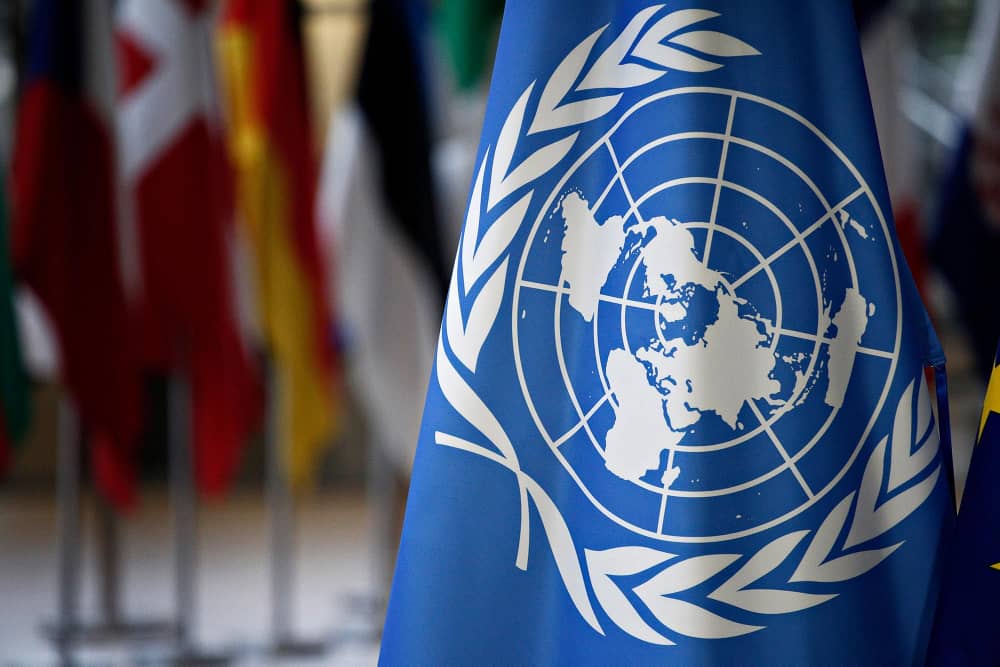
MAIDUGURI, Nigeria — Marking World Humanitarian Day, the United Nations issued a sharp warning over worsening conditions in Nigeria, appealing for immediate international support to combat severe food insecurity, malnutrition, and disease outbreaks while calling for an end to attacks on frontline relief staff.
Mohamed Malick Fall, the U.N. Resident and Humanitarian Coordinator in Nigeria, visited health clinics and cholera treatment centers in Maiduguri, the epicenter of the country’s prolonged humanitarian crisis. During his visits with patients, government health officials, and frontline workers, Fall emphasized the escalating risks faced by personnel providing critical care.
”Today, at the treatment centers we visited, I met humanitarian workers who continue to serve communities with extraordinary courage, dedication, and compassion despite difficult and often dangerous conditions,” Fall said. “We call for greater protection for these brave personnel so that they can do their critical work in safety.”
Fall underscored that civilian infrastructure, health facilities, and relief convoys remain protected under International Humanitarian Law. “Humanitarian workers are not targets,” he said, warning that security barriers directly harm vulnerable populations by blocking vital supplies.
Cholera Outbreak Interventions: Joint efforts between government authorities and international partners in Borno State have treated over 55,000 cholera patients, delivered hygiene education to more than 1 million residents, and chlorinated over 500 water points to stabilize the outbreak.

First-Half Impact: Relief operations reached nearly 900,000 people in northeastern Nigeria during the first six months of the year.
Emergency Funding Allocated: A total of $135.5 million has been disbursed through the Nigeria Humanitarian Fund (NHF) and the Central Emergency Response Fund (CERF).
Current Shortfall: Nigeria’s Humanitarian Needs and Response Plan faces a $159 million deficit for the remainder of the year, threatening critical services for hundreds of thousands of individuals.
Funding Gaps Threaten Transition to Local Control
Global donor fatigue and shifting geopolitical priorities have drastically curtailed financial backing for operations in West Africa. Despite the allocation of emergency funds, the U.N. warned that existing resources remain inadequate to match rising demand during the ongoing lean and rainy seasons.
The funding gap comes as Nigeria prepares to transition toward a nationally led humanitarian structure by 2027. The initiative aims to shift operational leadership and resource management to local institutions and civil society organizations.
”Nigeria’s evolution towards a nationally led humanitarian system is both necessary and an enormous opportunity for the country to do things differently,” Fall noted, urging increased domestic resource mobilization alongside continued international backing.
“Behind every statistic is a family struggling to survive, a child battling malnutrition, a mother seeking treatment for cholera, or a community trying to rebuild after years of crisis.”
