

By SCM ONLINE REPORTER
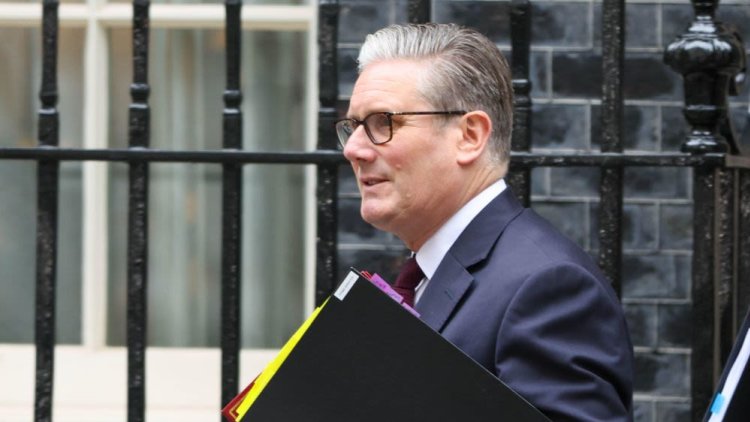
SIR Keir Starmer has sparked a furious backlash after announcing a draconian social media ban for under-16s—amid accusations he is trying to “censor” teenagers.
Critics have branded the Prime Minister a “charisma vacuum” who is focusing on policing the internet instead of tackling the massive economic bludgeoning and food crisis facing Britain as a result of the escalating US-Israeli war on Iran.
The shock policy would see millions of British teenagers blocked from platforms like TikTok, Instagram, and X.
But Downing Street is facing heavy fire after it emerged the government’s own “careful review” into the issue found absolutely no evidence that social media causes poor wellbeing in children, noting only a tiny correlation.
Insiders claim the real motivation behind the smartphone crackdown is a panicked British establishment terrified of losing its grip on the public narrative.
During recent global conflicts, a tech-savvy “Generation Gaza” completely bypassed traditional media, using social media to challenge official government lines and expose what critics call “establishment lies.”
Now, it is feared Sir Keir is moving to smash alternative information flows to force young people back toward compliant traditional media.

One political commentator said: “Starmer seems hell-bent and determined to become the most despised Prime Minister in modern memory. Instead of fixing the economy or securing our food supply during a global war, he’s treating teenagers like criminals for downloading an app.”
To put this story into context for the reader, the article builds on several major background pillars:
The Social Media Ban Debate: For the past year, pressure has been mounting on Number 10 from various parenting groups and mental health campaigns to emulate countries like Australia, which introduced strict age-verification laws for social media.
However, civil liberties groups have consistently argued that age bans are unworkable, infringe on youth rights, and fail to teach digital literacy.
The Academic Reality: The government’s ban flies in the face of major scientific consensus. Recent studies, including comprehensive reviews by the Oxford Internet Institute, have repeatedly shown that the link between screen time and mental health issues is exceptionally small—comparable to the statistical impact of a child regularly eating potatoes.
The Geopolitical Crisis: The backdrop to this domestic policy is an incredibly volatile global landscape.
With the US-Israeli conflict with Iran severely disrupting shipping lanes and global markets, the UK is staring down the barrel of soaring inflation, supply chain collapses, and a looming food security crisis—making the government’s sudden focus on TikTok feel wildly out of touch to its critics.
