

BY SCM Science Correspondent
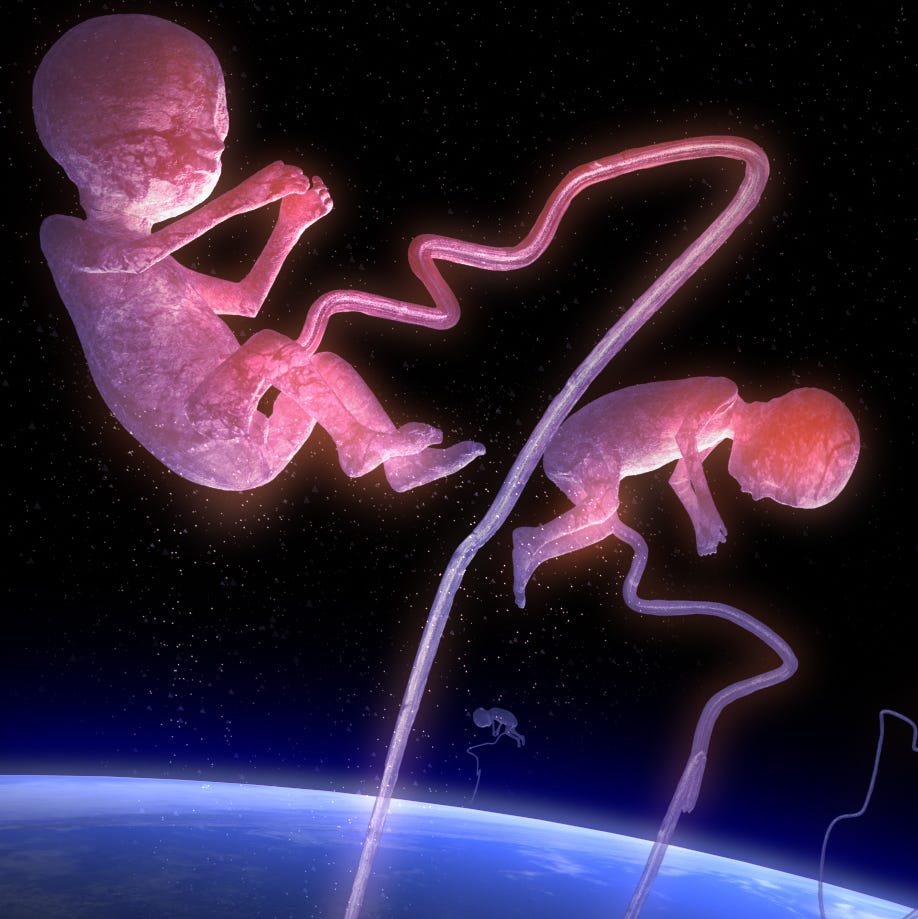
BEIJING has taken a giant leap toward sci-fi style space breeding by launching “artificial human embryos” into orbit.
Scientists sent the lab-grown, stem cell-based models to China’s Tiangong space station to see how gravity—or the distinct lack of it—affects the earliest stages of human life.
The microscopic pioneers spent five days floating in zero gravity before being safely frozen and sent hurting back down to Earth for closer inspection.
Experts want to know if future space colonists will ever be able to have babies naturally while traveling to Mars or living on lunar bases.
But the cosmic experiment isn’t just about breeding a future generation of star-trekkers.
Scientists also hope that watching how these synthetic embryos behave in the harsh environment of space will unlock secrets to curing devastating embryonic diseases right here on Earth.
Behind the Story: The Scientific Background
While the idea of “space babies” sounds like wild science fiction, the reality is grounded in cutting-edge cellular biology and the very real logistics of long-term space exploration.
What exactly was sent into space?
The researchers did not launch fertilized human eggs. Instead, they used stem cell-based embryo models.

These are clusters of cells grown in a lab that mimic the structure, genetic makeup, and behavior of early-stage human embryos without using actual sperm or eggs.
Why test reproduction in zero gravity?
The Gravity Problem: On Earth, gravity plays a quiet but crucial role in guiding how cells divide and move during early development.
The Radiation Threat: Beyond Earth’s protective atmosphere, cosmic radiation can mutate DNA, posing a massive threat to delicate, rapidly dividing cells.
Future Colonization: If humans are ever to become a multi-planetary species, understanding whether a fetus can safely develop in microgravity is a fundamental hurdle we have to clear.
The decision to keep the cells active for five days is highly strategic. In human development, the first five to seven days are when a fertilized egg divides into a blastocyst (a hollow ball of cells) and prepares to implant in the womb.
By freezing them after five days, scientists can analyze exactly how microgravity alters this critical “blueprint” stage before returning them to Earthbound laboratories.
