

By SCM Reporter
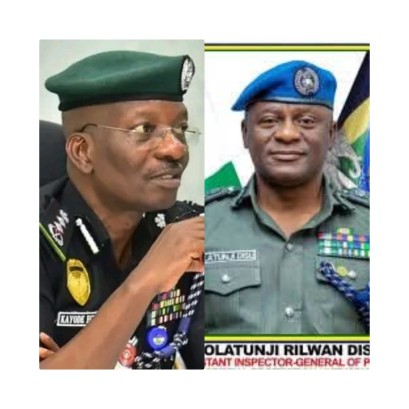
LAGOS — Nigeria’s police force has been rocked by a high-stakes power shift as the Inspector General of Police, Kayode Egbetokun, was forced to resign from his post with immediate effect.
In a move that has sent shockwaves through the country’s security architecture, Egbetokun’s tenure came to an abrupt end following intense pressure from high-ranking government officials.
Taking the reins is his former deputy, Mr. Tunji Disu, who has been promoted to lead the nation’s 370,000-strong force.
Insiders suggest that Egbetokun’s exit was far from voluntary. Sources close to the Presidency indicate that a series of “irreconcilable differences” regarding internal security strategies led to the demand for his resignation.
While the official statement cites a transition of leadership, the speed of the handover suggests a “resign or be sacked” ultimatum was delivered behind closed doors.
Mr. Tunji Disu, a veteran officer known for his tactical expertise and high-profile work in the Rapid Response Squad (RRS), steps into the role during a period of significant national tension. Known for a more “modern” approach to policing, Disu is expected to prioritize:
Technological reform within the force.
Cracking down on rising urban crime rates.

Restoring public trust in the wake of recent controversies.
The Inspector General of Police is the highest-ranking officer in the Nigeria Police Force (NPF).
It is a political appointment made by the President, often subject to intense scrutiny regarding the officer’s ability to maintain order in Africa’s most populous nation.
Kayode Egbetokun was appointed in June 2023. His term was marked by efforts to tackle kidnapping and regional insurgencies, but he faced criticism over the pace of reform and the handling of various civil protests.
Tunji Disu is a well-known figure in Nigerian law enforcement. He previously gained fame for his leadership of the Intelligence Response Team (IRT) and is often viewed by the public as a “super-cop” due to his hands-on approach and previous successes in dismantling high-level crime syndicates.
This reshuffle comes at a critical time as the Nigerian government faces mounting pressure to address economic instability and communal violence, making Disu’s appointment a pivotal moment for the country’s future stability.
