


BY OUR SPECIAL CORRESPONDENT
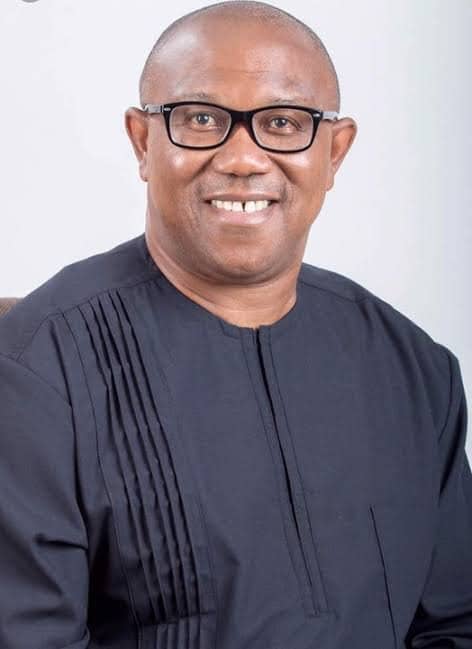
NIGERIA’S leading opposition figure, Peter Obi, has launched a blistering attack on the Federal Government, accusing President Bola Tinubu’s administration of “fiscal recklessness” that threatens to sink the continent’s largest economy.
As the Nigerian Senate prepares to wave through a massive 2026 national budget on March 17, Mr. Obi—the former Labour Party presidential candidate—has asked a question that is haunting millions: “Which budget is Nigeria actually using?”
In a scathing statement, Obi revealed that the country is currently drowning in a chaotic cocktail of overlapping spending plans.
He claims the government is simultaneously dipping into “zombie” funds from 2023, 2024, and 2025, creating a financial “black hole” with no clear end date.
The N114 Trillion Question
Since taking office, President Tinubu has overseen a staggering N114 trillion (£52bn) in public appropriations. Yet, despite this eye-watering sum, Obi warns that the government has failed to hit even 50 per cent of its implementation targets.
”No serious country manages its fiscal operations in such a manner,” Obi said, slamming the government for “fiscal obscurity elevated to the level of state policy.”
The former governor highlighted a worrying trend of “repealing and re-enacting” budgets behind closed doors, leaving the Nigerian public in the dark about where billions are being spent.
Transparency ‘Dismantled’
The most damning allegation involves a total shutdown of financial oversight. Obi claims the government has pulled the plug on the OpenTreasury.gov.ng portal—a vital transparency tool meant to track every penny of taxpayer money.
”The lack of transparency is not accidental,” Obi warned. “It reflects a deliberate pattern of undermining public scrutiny.”
Calls for Order
With Nigerians enduring “painful economic reforms” and zero social safety nets, Obi is demanding an immediate return to a strict January-to-December budget cycle.
He concluded with his signature rallying cry: “A new Nigeria is POssible.”
But with the 2026 budget fast-tracking through the Senate, many fear the current “fiscal recklessness” is already a runaway train.