

By SCM Religion Correspondent
PORT HARCOURT — Renowned cleric and Presiding Pastor of Salvation Ministries, David Ibiyeomie, has strongly criticized members of the National Assembly following the passage of a controversial bill proposing a ₦50,000 fine on individuals who preach, hawk, or conduct commercial activities inside public buses.
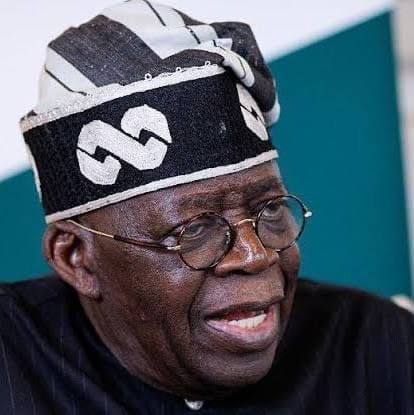
Describing the provision as “anti-Christian” and a direct assault on the constitutional rights of believers to share their faith, the fiery preacher urged President Bola Ahmed Tinubu to withhold his presidential assent to the legislation.
Ibiyeomie made his position known during a recent ministry address, expressing deep concern that lawmakers were targeting an age-long Christian evangelistic practice under the guise of road safety regulation.
”Focus on Real Issues Facing the Nation”
Faulting the federal lawmakers for prioritizing restrictions on religious outreach over pressing socio-economic challenges, the clergyman questioned the rationale behind penalizing citizens who engage in peaceful morning prayers and gospel propagation inside public transit.
”Preaching in commercial buses is not a crime; it has brought peace, hope, and salvation to millions of commuters across Nigeria for decades,” Pastor Ibiyeomie asserted. “For many ordinary Nigerians who wake up as early as 4:00 AM to catch a bus to work, that brief sermon or prayer inside the bus is their only spiritual anchor for the day. To criminalize such an act with a ₦50,000 fine is anti-Christian, insensitive, and a misplaced priority by the legislature.”
He further appealed to President Tinubu to act as a statesman and reject the bill in its current form.
”We are calling on President Bola Ahmed Tinubu to demonstrate leadership and protect the religious rights of all citizens by refusing assent to this bill,” Ibiyeomie added. “The government should focus on fixing damaged roads, tackling inflation, and arresting criminals, rather than prosecuting citizens sharing the word of God.”
Background: The Controversial FRSC Amendment Bill
The controversy stems from the recent passage of the Federal Road Safety Corps (FRSC) Act (Amendment) Bill by the Senate.
Under the revised framework passed by the red chamber, a comprehensive review of traffic penalties was instituted to curb road crashes and enforce stricter discipline on highways. However, embedded within the legislation is a clause that explicitly classifies hawking, trading, or preaching inside moving commercial vehicles as a punishable traffic offense carrying a ₦50,000 fine upon conviction.

Lawmakers behind the legislation argued during floor debate that activities like preaching, sales pitching, and hawking distract drivers, overcrowd passenger compartments, and increase the risk of road accidents on busy urban corridors.
Aside from the bus preaching penalty, the bill introduces stiffer measures for other offenses:
Drunk Driving: Fine increased from ₦5,000 to ₦100,000, two years imprisonment, or both.
Speeding & Traffic Light Violation: Up to ₦100,000 penalty.
Refusal to Undergo Breathalyser Test: ₦50,000 fine, six months imprisonment, or both.
Growing Backlash Across Religious Bodies
Pastor Ibiyeomie’s reaction mirrors a wider wave of discontent within the Christian community across Nigeria.
The South-West chapter of the Christian Association of Nigeria (CAN), led by Bishop Barnabas Akinsanya, similarly issued a statement rejecting the proposed ₦50,000 fine, warning that it treads dangerously on fundamental human rights.
CAN emphasized that while public safety is important, Section 38 (Freedom of Thought, Conscience, and Religion) and Section 39 (Freedom of Expression) of the 1999 Constitution of the Federal Republic of Nigeria (as amended) guarantee citizens the right to manifest and propagate their faith in public spaces.
Legal experts and civil rights activists have also weighed in, noting that unless the government can demonstrate that a preacher in a bus presents an active, direct danger to road users, banning the practice outright creates a dangerous precedent of state overreach.
With public sentiment sharply divided between road safety advocates and faith leaders, all eyes now turn to the Presidential Villa as President Tinubu considers whether to sign the FRSC Amendment Bill into law or return it to the National Assembly for legislative modification.
