

By SCM Staff Reporter
TEHRAN — In a striking display of ideological defiance layered over pragmatic economic maneuvering, Iran’s Foreign Ministry on Monday declared an absolute, eternal refusal to recognize Israel, claiming the nation would prefer to be “martyred in its entirety” before normalizing ties.
Concurrently, the ministry outlined new maritime frameworks alongside Oman to levy “environmental protection fees” on commercial vessels crossing the strategic Strait of Hormuz.
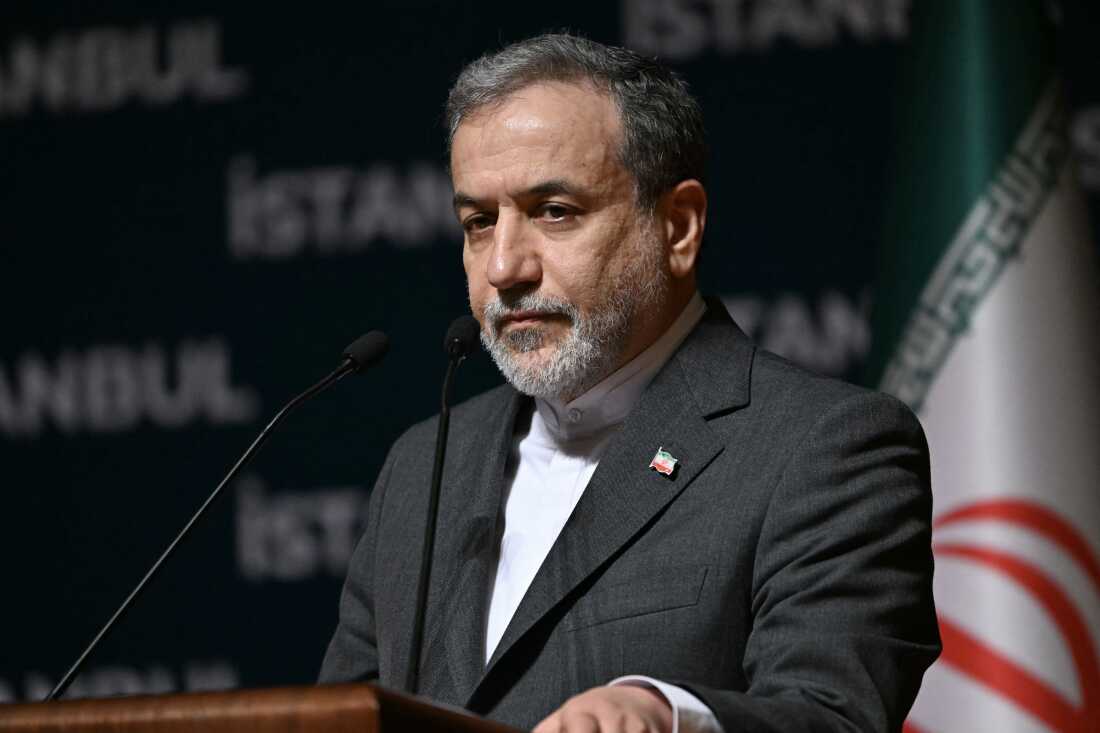
The twin statements, delivered by Foreign Ministry Spokesperson Esmail Baghaei during a weekly press briefing, capture Tehran’s complex posture. The Islamic Republic is balancing fierce wartime rhetoric against concrete administrative steps to govern one of the world’s most vital energy chokepoints, even as delicate, indirect diplomatic framework talks proceed with the United States.
Addressing the escalating regional conflict, Baghaei delivered an uncompromising rebuke of the Israeli state, framing the geopolitical struggle in deeply civilizational and religious terms.
”The Islamic Republic of Iran does not recognize ‘Israel,’ and never will, as it is an illegal and occupying entity,” Baghaei stated.
He added that diplomatic engagement remains fundamentally impossible with what Tehran classifies as a “usurping and genocidal regime which is the greatest source of instability and crimes against humanity in the region.”
The rhetoric grew starker as Baghaei evoked Iran’s imperial and ancient history to underscore its current resolve.
“It would be better for Iran, which is a civilization that has existed for thousands of years, to be martyred in its entirety — rather than to engage in diplomatic relations or any other relations with the killer of Muslims,” he asserted.
Diplomatic analysts note that such existential framing is designed to project absolute ideological compliance to domestic hardliners and regional proxies, particularly following recent military exchanges that have heavily battered regional infrastructure.
Yet, just beneath this apocalyptic rhetoric, Tehran demonstrated a highly calculated pivot toward regional administrative control. Baghaei explicitly addressed growing international panic surrounding the Persian Gulf Strait Authority (PGSA)—a newly operational Iranian regulatory body tasked with managing transit through the Strait of Hormuz, where roughly 20% of global seaborne oil trade passes.
International shipping firms have sounded alarms over what has been described as an “extortion” campaign, with reports indicating that some commercial tankers have been forced to settle dark transits or face steep entry tariffs. Baghaei sought to rebrand these controversial levies, flatly denying that Iran is collecting traditional transit tolls.

”There are no tolls and will be no tolls in the Strait of Hormuz,” Baghaei insisted. Instead, he explained that ships will be required to pay an “environmental protection fee” via a joint maritime safety system established by Iran and Oman.
”The actions of Iran and Oman to develop a protocol for the safe passage of ships are a responsible step,” the spokesperson argued. He emphasized that it is entirely “natural” for services maintaining maritime safety, rescue operations, and environmental monitoring to incur associated operational costs.
Baghaei further alleged that the waterway had previously been “misused” for Western military aggression against Iran, justifying the new regulatory oversight as a defensive necessity.
The recharacterization of tolls as “green service fees” appears explicitly timed to circumvent international legal backlash and navigate the friction of ongoing negotiations.
Behind the scenes, the United States and Iran have reportedly ironed out a tentative diplomatic framework to extend a regional ceasefire by 60 days, with the ultimate goal of demining and fully reopening the Strait of Hormuz to prewar conditions.
However, Western authorities have already issued stern warnings regarding Tehran’s fiscal maneuvers in the channel.
The U.S. Office of Foreign Assets Control (OFAC) previously cautioned that any maritime payments funneled to Iranian-linked entities—regardless of whether they are labeled as tolls, environmental fees, or security tariffs—could trigger secondary sanctions.
By framing the new levies as an ecological partnership with Muscat, Tehran is attempting to institutionalize a lucrative revenue stream without completely blowing up the fragile peace framework being brokered through regional mediators.
Whether international shipping lines will risk American sanctions to pay Iran’s “environmental fees” remains the multi-billion-dollar question hanging over global energy markets.
