

By SCM International Desk I Wednesday, August 26, 2026
TEHRAN — Iran has formally demanded financial compensation from the United States, accusing Washington of waging a campaign of “economic terrorism” through unilateral sanctions that Tehran says have crippled its economy and inflicted widespread harm on its citizens.
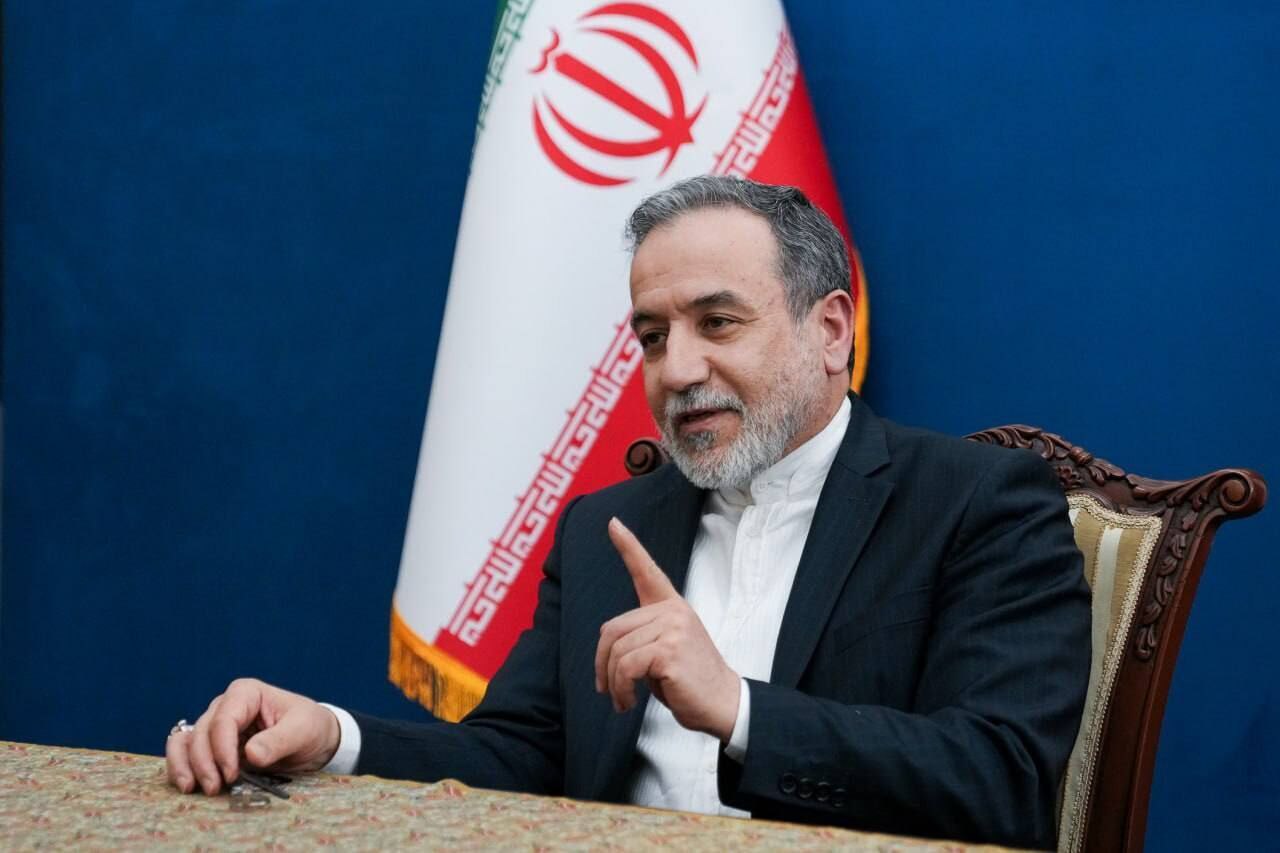
In an official letter addressed to United Nations Secretary-General António Guterres and the Security Council, Iranian Foreign Minister Abbas Araghchi stated that Washington must be held legally and morally accountable under international law for decades of extraterritorial financial restrictions.
“Washington bears responsibility for its unlawful actions and for compensating us for all damages,” Araghchi wrote, explicitly noting that Iran intends to pursue full restitution for both material and moral damages resulting from American policy.
The diplomatic push signals a renewed effort by Tehran to frame the long-standing American trade restrictions not as routine diplomatic enforcement, but as unlawful aggression against non-combatants.
By demanding formal reparations on the floor of the United Nations, Iran aims to challenge the legal boundaries of Washington’s broad secondary sanctions regime, which threatens non-U.S. companies and foreign nations with exclusion from the global financial system if they transact with Iranian sectors.
In his missive, Araghchi argued that the U.S. sanctions regime directly targets civil society, preventing access to essential foreign capital, medical supplies, and technological infrastructure. Calling the enforcement measures an overreach of domestic jurisdiction, he urged U.N. member states to reject coercive economic actions and defend the principles of sovereign equality outlined in the U.N. Charter.
Background and Geopolitical Context
The United States has imposed economic penalties on Iran in varying degrees since the 1979 takeover of the American Embassy in Tehran.

However, the economic strain intensified drastically following Washington’s 2018 withdrawal from the Joint Comprehensive Plan of Action (JCPOA), commonly known as the Iran Nuclear Deal. Under its subsequent “maximum pressure” initiative, the U.S. reinstated sweeping curbs targeting Iran’s central bank, oil export network, shipping lines, and industrial sectors.
While Washington has maintained that its sanctions exempt humanitarian goods like medicine and agricultural products, foreign financial institutions often refuse to process Iranian transactions out of fear of secondary penalties from the U.S. Treasury Department. As a result, Iran’s national currency, the rial, has seen historic devaluations, fueling persistent domestic inflation and hindering access to vital pharmaceutical imports.
American officials have historically dismissed Iranian claims for financial reparations as non-starters. State Department representatives consistently maintain that economic sanctions are a non-violent, lawful instrument of national policy intended to counter regional destabilization and mitigate nuclear proliferation.
Previous attempts by Iran to recover damages at international tribunals, such as the International Court of Justice (ICJ), have faced prolonged jurisdictional hurdles and strong legal pushback from Washington.
Despite those hurdles, Araghchi’s letter underscores Tehran’s strategy of using multilateral bodies to challenge the legitimacy of unilateral enforcement.
By establishing a public record of financial claims, Iran seeks to build a framework for future diplomatic negotiations, signaling that any prospective talks over its regional role or nuclear program must address the economic losses inflicted by Washington’s financial leverage.
