

By SCM International Desk I Wednesday, August 19, 2026
THE HAGUE — The governing body of the International Criminal Court issued a sharp rebuke on Wednesday, expressing “deep concern” after the United States extended its sanctions regime to target the tribunal’s president and a senior trial attorney.
The Assembly of States Parties, which acts as the oversight and legislative body for the 125-nation court, condemned Washington’s latest measures as an effort to impede global justice.
The statement follows financial penalties and travel restrictions enacted under Executive Order 14203 against ICC President Tomoko Akane and Senior Trial Lawyer Abdoulaye Seye.
Washington accused the court of illegally asserting authority over non-member states, specifically regarding ongoing investigations into actions in Gaza and the West Bank.
”These new actions, in addition to the earlier designations of the leadership of the Office of the Prosecutor and 8 judges of the International Criminal Court, are regrettable attempts to impede the Court and its personnel in the exercise of their mandated functions,” the Assembly’s presidency—led by Päivi Kaukoranta of Finland—said.

The statement warned that punishing court officials threatens the rules-based international order and sets a dangerous precedent for international accountability.
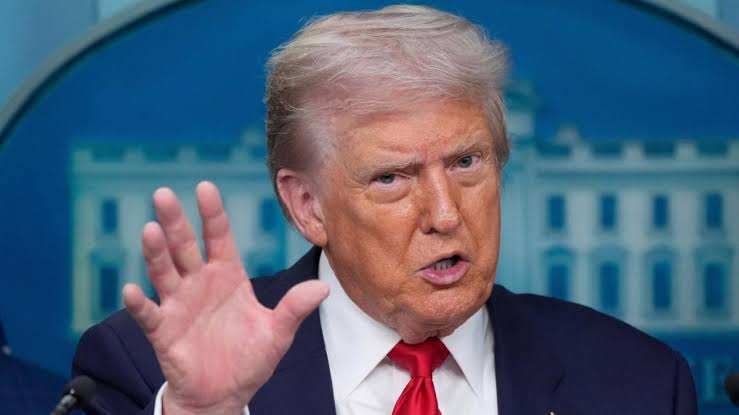
The Escalation: Under executive actions reinstated and expanded by President Donald J. Trump, Washington has systematically targeted tribunal officials.
The initial sanctions targeted Chief Prosecutor Karim Khan and multiple judges following the ICC’s decision to issue arrest warrants for senior Israeli leaders, including Prime Minister Benjamin Netanyahu, over alleged war crimes.
Jurisdiction Dispute: Neither the United States nor Israel are signatories to the Rome Statute, the court’s founding treaty. The U.S. maintains that the tribunal has no legal jurisdiction over citizens of non-member states without a United Nations Security Council referral or state consent.
Global Impact: Member nations of the Rome Statute, including European Union allies, face growing diplomatic pressure as Washington demands countries sever ties with and stop funding the Hague-based court.
