

By Emmanuel Thomas l Tuesday, Sept 15, 2026
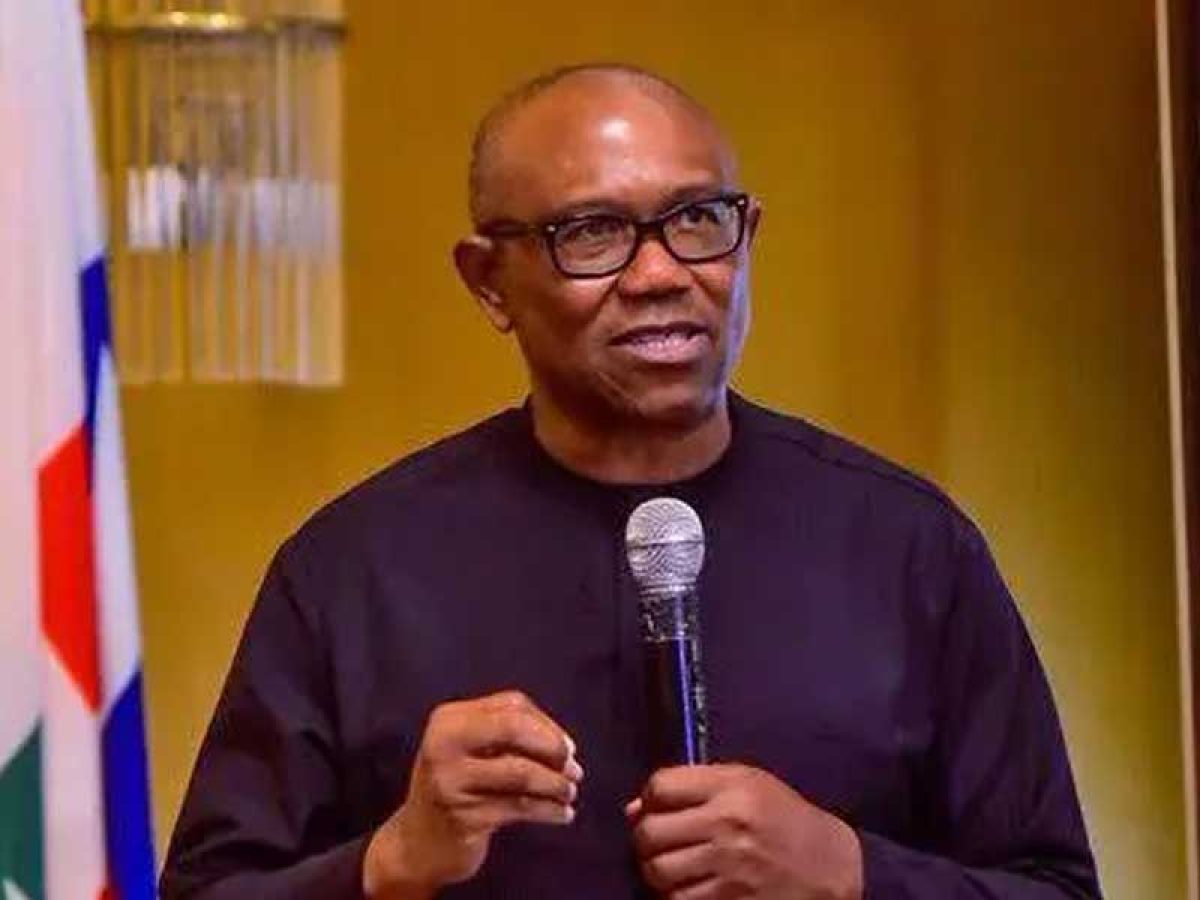
AWKA — Former Governor of Anambra State and presidential candidate, Mr. Peter Obi, has strongly debunked recent claims made by the Anambra State Government regarding inherited debts, contractor liabilities, and unpaid civil servant entitlements.
Describing the claims as “phantom debts” and political fallacies, Obi insisted that his administration left office with a completely clean financial sheet, zero contractor debts for certified projects, and over ₦75 billion in total savings and investments.
The controversy stems from statements credited to the current state administration led by Governor Charles Soludo, asserting that the Obi administration left behind significant liabilities, including a disputed ₦2 billion ecological loan alongside outstanding pension and gratuity arrears.
Obi Vows to Quit Campaign If Claims Are Proven
Reacting directly to the accusations, Obi challenged his critics to produce evidence contradicting his account, declaring that he would immediately withdraw from active politics if any evidence of debt or mismanaged funds were established against his administration.
”We systematically liquidated historical gratuities and arrears dating back several years, amounting to over ₦35 billion,” Obi stated. “At the point of handover, the state owed nothing in salaries, gratuities, or pensions, nor did we owe anything to any contractor for projects duly executed and certified.”
Addressing the specific claim regarding the ₦2 billion ecological loan, Obi explained that the funds were disbursed by the Federal Government just three months before the expiration of his tenure to address the severe Oko/Umuchiana erosion crisis in the state.
Rather than rushing to disburse the funds before leaving office, Obi stated that he chose to preserve the capital intact for his successor, citing the continuity of governance.
”Despite pressure to spend the money, I refused, insisting that it should be left for my successor because government is a continuum and the funds were tied to a specific project,” Obi explained. “The money was therefore left 100 per cent intact in First Bank, Account No. 2018779464, with a balance of over ₦2.13 billion.”

He further clarified that project-specific allocations like the ecological fund were entirely separate from the ₦75 billion in liquid savings and investments handed over to the incoming administration in March 2014.
”It is important to stress that funds tied to specific projects or set aside for particular purposes were not even included in the over ₦75 billion in savings we left behind. If anybody can establish anything to the contrary, I will stop campaigning,” he added.
The financial record of Peter Obi’s two-term presidency in Anambra State (2006–2014) has remained a central point of debate in Nigerian political discourse.
Upon completing his second term in March 2014, Obi handed over power to his successor, Chief Willie Obiano.
At the handover ceremony, Obi documented that his administration left behind approximately ₦75 billion in liquid cash, local investments, and foreign currency holdings (including Eurobond investments)—a rare milestone in a country where incoming governors frequently inherit depleted treasuries and mounting debt profiles.
However, the state’s financial handover has periodically sparked friction between successive administrations.
Critics within the incumbent state leadership have questioned the net asset claims, citing uncertified contractor commitments, long-term liabilities, and federal facility drawdowns.
Obi’s defenders maintain that all financial assets and liabilities were audited, documented in handover notes, and verified by financial institutions where the state held its deposits. The ongoing debate highlights the long-standing tensions over fiscal accountability, treasury management, and legacy politics in southeastern Nigeria.
