
Emmanuel Thomas l Tuesday, July 15, 2025
GAZA – Palestinians living in the Gaza Strip are going through hell every minute. The deafening sound of bombs has become a daily routine, accounting for almost 60,000 deaths.
While this has become a source of concern for the Palestinians and the very few who still have a conscience in the committee of nations, the Prime Minister Benjamin Netanyahu led government continue to mutate, employing every deadly tactic he could muster with the prodding and applause from the United States and its allies, irrespective of the gory pictures coming in from the besieged Gaza Strip
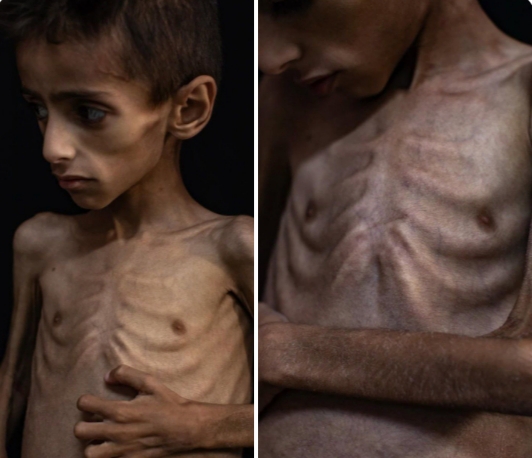
For months, reports from international aid organizations, UN bodies, and journalists on the ground have painted a grim picture. Food supplies are dwindling, access to clean water is severely limited, and healthcare facilities are on the brink of collapse.
The population, particularly women and children, is facing unprecedented levels of malnutrition and disease, with tragic deaths already being reported due to starvation and preventable illnesses.
The mechanisms by which starvation is being employed are multifaceted. The Israeli government has maintained a blockade on Gaza for years, severely restricting the entry of goods, including vital food, medicine, and construction materials.
While Israel cites security concerns, critics argue that these restrictions go far beyond what is necessary for security and are deliberately designed to exert pressure on the Palestinian population.
Furthermore, the current hostilities have seen extensive damage to agricultural land, fishing boats, and food production facilities within Gaza. Bakeries have been bombed, farms rendered unusable, and irrigation systems destroyed, directly undermining the Strip’s already limited capacity for self-sufficiency.
The displacement of over a million people has also exacerbated the crisis, as individuals are uprooted from their homes and livelihoods, losing access to any remaining food sources.
The denial and obstruction of humanitarian aid are perhaps the most egregious aspects of this strategy. Despite urgent pleas from the international community, the flow of aid into Gaza has been consistently insufficient, often delayed, and at times completely blocked.
Checkpoints are notoriously slow, and essential supplies are reportedly held up for arbitrary reasons, preventing life-saving assistance from reaching those who desperately need it.
This deliberate impediment to humanitarian efforts is a clear violation of international humanitarian law, which strictly prohibits the use of starvation as a method of warfare and mandates the facilitation of rapid and unimpeded passage of humanitarian relief for civilians in need.
The consequences of this strategy are devastating and far-reaching. Beyond the immediate suffering and loss of life, the long-term effects of widespread malnutrition on a generation of children will be profound, leading to stunted growth, cognitive impairments, and increased susceptibility to disease.
The psychological trauma inflicted by constant hunger and deprivation will also leave lasting scars.
The international community has a moral and legal obligation to act decisively. While calls for ceasefires and increased aid have been made, stronger action is needed to ensure the immediate and unfettered flow of humanitarian assistance into Gaza.
Pressure must be exerted on all parties to adhere to international humanitarian law and to cease any actions that contribute to the starvation of the civilian population.
The use of starvation as an instrument of war is a barbaric practice that has no place in the 21st century. Gaza stands as a stark reminder of the urgent need for accountability and for the unwavering commitment to protecting civilian lives and ensuring their access to the most basic necessities for survival.
The world cannot afford to remain silent while hunger is weaponized against an already besieged population.