
By SCM Staff Write I Sunday, October 12, 2025
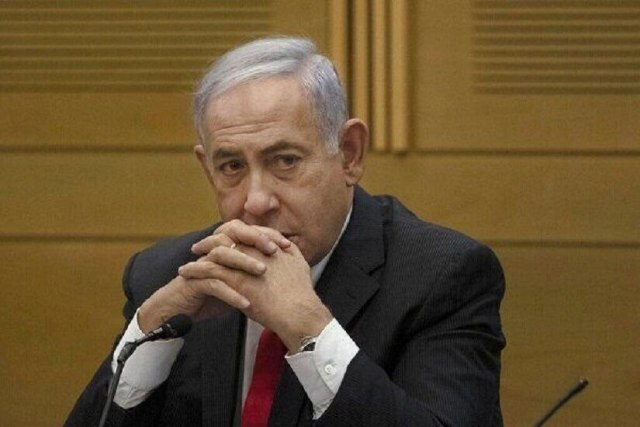
DOHA, Qatar—A senior official from Hamas leveled harsh criticism against Israeli Prime Minister Benjamin Netanyahu on Sunday, calling for urgent international and especially Arab pressure to rein in what he termed “Netanyahu’s madness in Gaza and the West Bank.”
In a statement to the Al Jazeera news network, Ghazi Hamad, a member of the Hamas political bureau, accused Israel of manipulating prisoner lists and intentionally stalling the implementation of the fragile hostage and prisoner exchange agreement, even in talks involving American mediators.
The comments come at a critical juncture in the conflict, as a temporary ceasefire holds and negotiations continue over the next phases of the deal, which aims to secure the release of more hostages captured during the October 7th attack in exchange for Palestinian prisoners held by Israel.
Mr. Hamad insisted that Hamas had completed all necessary arrangements for the handover of the remaining Israeli prisoners under the current phase of the deal, asserting that the delay lies squarely with Israel.
“The occupation is manipulating the lists of prisoners and stalling, even with the Americans,” Hamad stated. “We have finished the necessary arrangements for handing over the occupation’s prisoners, but it is delaying.”
He emphasized that the militant group is working meticulously with mediators to complete the agreement and called for strict monitoring of the occupation’s behavior to ensure compliance. Hamas, he added, is informing mediators “moment by moment of all developments” so they can identify the party responsible for any potential violation.
In his remarks, Mr. Hamad laid out Hamas’s maximalist goals for the ongoing negotiations, stating, “We are currently seeking a complete cessation of the war, the withdrawal of the occupation, the exchange of prisoners, and the entry of aid.”
While the current temporary truce was primarily focused on a limited exchange, Hamad’s comments underscore the significant gap that remains between Hamas’s demands for a permanent ceasefire and Israel’s stated goal of eliminating the group’s military and governance capabilities in Gaza.
The official also noted the need for internal Palestinian coordination, stressing the importance of “a discussion with the factions to take a unified stance regarding the remaining phases of the agreement.”
The coming hours, he concluded, “will reveal the extent of the occupation’s commitment to the agreement, and then we will determine our responses.”
The statement suggests that the future of the truce—and the fate of the remaining hostages—hinges on Israel’s actions in the immediate term, signaling a high-stakes moment for the delicate diplomatic efforts underway.