


Titus Eleweke, South East Editor
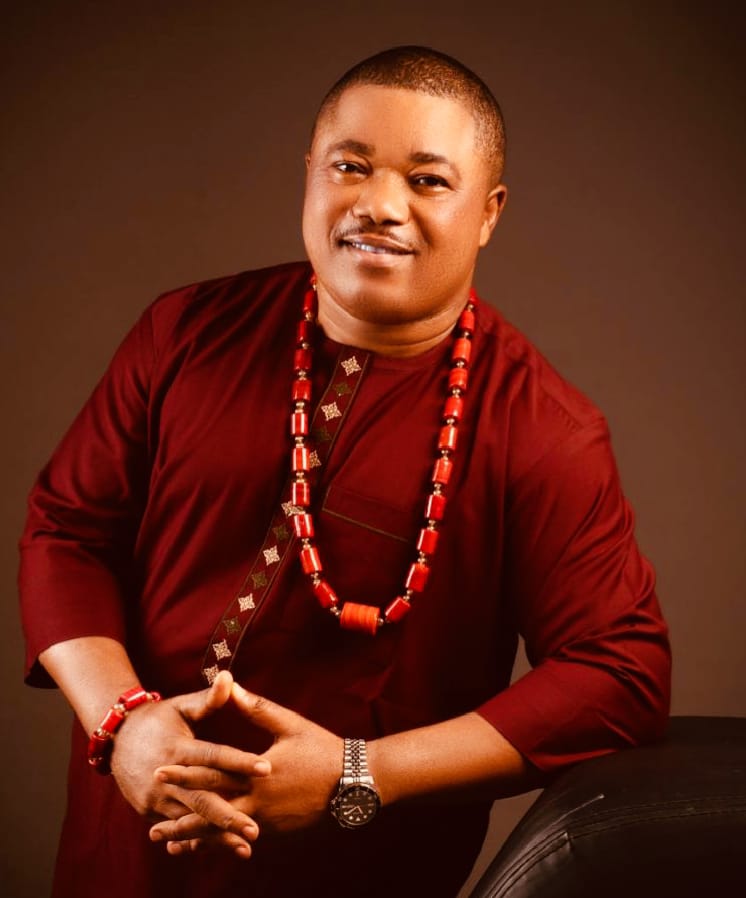
AWKA, Anambra – Nigerian renowned human rights lawyer and lead counsel for the Indigenous People of Biafra (IPOB), Sir Ifeanyi Ejiofor, has condemned the so-called “terrorist rehabilitation policy” as presently advanced by security authorities.
Barrister Ejiofor stated: “What the Chief of Defence Staff now proposes, in effect, is that when any of these violent non-state actors surrender, the State should receive them, rehabilitate them, and, in due course, reintegrate them into the very society they once set ablaze.”
In a statement titled “Weekend Musings: Terrorist Rehabilitation and a Soldier’s Blood; The Tragic Death of My Driver’s Son — The Quiet Agony of a Nation that Pardons Its Destroyers,” he argued that the rehabilitation and reintegration of such individuals raise serious legal and moral questions.
Ejiofor maintained that the proposal raises not only legal and moral concerns but also profound existential questions about justice, collective memory, and the value society places on human life.
He further stated that while a nation must uphold the ideals of humanity and redemption, such efforts must not erode the sanctity of justice or diminish the sacrifices of those who risk their lives to protect others.
Ejiofor who is Dunu–Ezeugosinachi warned that when policies appear to reward impunity, they risk emboldening the very forces they are intended to suppress.
According to him, until there is a firm and principled resolve to confront these threats with clarity, consistency, and a sense of justice that honours the fallen, the fight against terrorism may, regrettably, remain an illusion—an unending mirage on the horizon of the nation’s aspirations.
Read the full statement:
For many who may not fully grasp what is cloaked beneath the seemingly benign phrase “terrorist rehabilitation policy,” as presently advanced by our security authorities, it may, at first blush, sound humane, even civilised. Yet, beneath that polished veneer lies a troubling paradox, one that continues to wound the conscience of a nation already wearied by grief.
In its stark and unvarnished reality, this policy translates into the granting of amnesty to individuals who, in times past, have slaughtered our gallant servicemen, executed defenceless citizens, razed homes to the ground, and plunged entire communities into unspeakable misery. These are not abstract actors in a distant narrative; they are the very architects of sorrow across our land.
What the Chief of Defence Staff now proposes, in effect, is that when any of these violent non-state actors surrender, the State should receive them, rehabilitate them, and in due course, reintegrate them into the very society they once set ablaze. It is a proposition that raises not only legal and moral questions, but also deep existential concerns about justice, memory, and the value we place on human life.
I write this morning from a heart weighed down by grief; grief that is no longer theoretical, but painfully personal.
Yesterday, at about 3 p.m., tragedy came knocking, not from afar, but through a familiar face. It was my driver, Mr Chinedu. Beyond his role, he is a man of rare decency, whose character has endeared him to my family. He hails from Ezeagu Local Government Area of Enugu State.
He called me on the telephone, his voice trembling, faltering under the crushing weight of a grief I had never heard from him before. Deeply alarmed, I asked, as gently as I could, “What is the matter, Chinedu?
With a trembling voice, he replied:
“Oga, I just received a message from the Military High Command… my first son- Jude osondu ude, a soldier awaiting his leutnant confirmation, posted to Katsina, has been killed by bandits. They said his body will be brought home immediately.”
In that moment, time seemed to stand still. Words failed me. The weight of that loss, the abrupt extinguishing of a young life in service to the nation, was simply too heavy to bear. I shut down for the rest of the day, retreating into the solitude of grief.
I did all I could to console him. Yet, in that moment of shared sorrow, one haunting truth lingered unspoken: that the very perpetrator of this heinous act, the bandit who murdered his son, may, under the current terrorist rehabilitation policy, one day be welcomed back, rehabilitated, and reintegrated into the same society his victim died defending.
That thought is not merely unsettling; it is profoundly disquieting.
It is in light of such painful realities that one is compelled to question whether the fight against terrorism, be it from Boko Haram insurgents, jihadist bandits, or other violent groups, can ever be decisively won under a framework that appears to blur the lines between justice and leniency.
A nation must, of course, uphold the ideals of humanity and redemption. But it must do so without eroding the sanctity of justice or diminishing the sacrifices of those who stand in harm’s way to protect us. When policies appear to reward impunity, they risk emboldening the very forces they seek to quell.
Until there is a firm, principled resolve to confront these threats with clarity, consistency, and a sense of justice that honours the fallen, the war against terror may, regrettably, remain an illusion, an unending mirage on the horizon of our national aspirations.
From the depths of my grieving heart, I extend my most profound condolences to Mr Chinedu and his family on this irreparable loss. May the Almighty grant them the strength to endure this sorrow, and may the soul of the departed young soldier find eternal rest in the bosom of the Lord. Amen.