

Admin I Wednesday, June 17, 2025
FIVE Israeli soldiers have been dramatically airlifted to hospital after a terrifying “double-tap” kamikaze drone strike in Southern Lebanon.
The bloody dawn ambush took place in the flashpoint town of Kafr Tebnit, proving that the brutal border war is still raging hot despite international attempts to broker peace.
According to military sources, the high-stakes drama began at around 6:00 AM when a low-flying explosive drone breached Israeli air defences. The drone slammed directly into a position next to a tank belonging to Israel’s elite Givati Brigade.
The initial impact triggered a deafening explosion, leaving four frontline soldiers wounded on the battlefield.
As smoke filled the air, a frantic rescue operation was immediately launched to pull the bleeding troopers out of the danger zone.
But the horror was far from over.
In a calculated and ruthless move, a second explosive drone swooped down from the sky just minutes later. It targeted the exact evacuation vehicle that had rushed to the scene to save the wounded men.
The second blast rocked the rescue vehicle, injuring a fifth Israeli soldier who was trying to assist his fallen comrades.
All five soldiers had to be urgently evacuated from the battlefield by military helicopters, which braved potential anti-aircraft fire to rush them to a secure hospital for emergency treatment.
In a furious response to the targeted drone hits, the Israel Defense Forces (IDF) instantly unleashed a heavy barrage of retaliatory artillery shelling, pounding suspected launch positions across the rolling hills of Southern Lebanon.
The “Double-Tap” Tactic: A notorious battlefield strategy where an initial strike is quickly followed by a second blast aimed directly at the first responders and rescue teams who arrive to help.
This latest spike in bloodshed comes at a time of extreme tension across the Middle East.

Only days ago, a major breakthrough seemed within reach when a historic United States-and-Iran-backed peace agreement was announced on Monday, June 15, aiming to finally end the wider conflict.
While the deal led to a dramatic drop in violence across major cities, the border regions of Southern Lebanon remain a deadly powder keg.
The 2026 Lebanon War erupted in full force back in March, following months of escalating cross-border rocket fire between Israel and the powerful Iranian-backed militant group, Hezbollah.
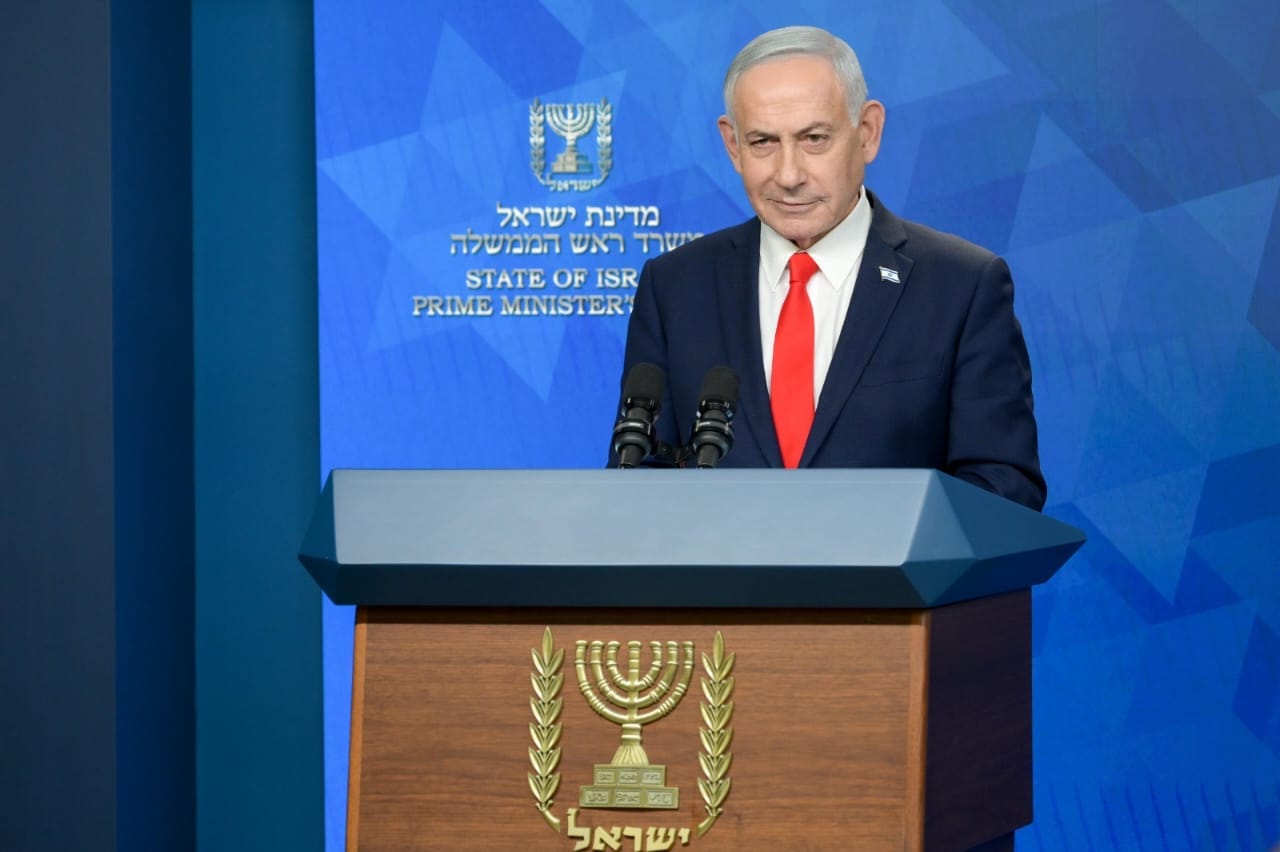
By mid-March, Israeli Prime Minister Benjamin Netanyahu had ordered a massive ground invasion, pushing five divisions across the border into Lebanese territory.
The intense combat has since created a devastating humanitarian crisis, displacing over 1.2 million Lebanese civilians—more than 20% of the country’s entire population.
Despite the newly announced US-Iran diplomatic roadmap, the path to actual peace is looking incredibly rocky:
Netanyahu’s Stance: The Israeli Prime Minister has flatly insisted that Israeli forces will not be packing up anytime soon, declaring that troops will remain embedded in their self-declared Lebanese “security buffer zone” for “as long as necessary.”
Hezbollah’s Demand: On the other side, Hezbollah leadership has strictly rejected any permanent Israeli presence, vowing that they will not halt operations unless there is a complete, unconditional withdrawal of all Israeli troops from Lebanese soil.
With both sides digging their heels in, frontline units like the Givati Brigade remain squarely in the crosshairs.
Today’s high-tech drone ambush in Kafr Tebnit proves that even as diplomats talk peace in luxury Swiss hotels, the troops on the ground are still fighting a high-stakes, high-tech war for survival.
