

By SCM International Desk I Tuesday, Sept 08, 2026
JERUSALEM — Relations between Israel and the United Kingdom descended into a sharp diplomatic crisis on Tuesday after the Israeli Foreign Ministry announced a series of unprecedented countermeasures in response to sweeping trade restrictions on West Bank settlements introduced by Britain’s Labour government.
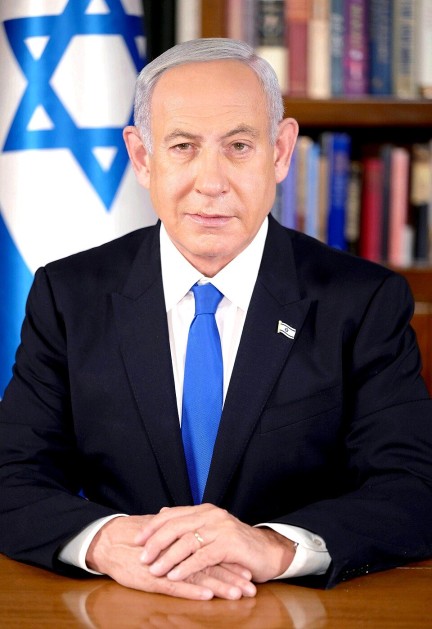
The announcement was made by Israeli Foreign Minister Gideon Sa’ar with the approval of Prime Minister Benjamin Netanyahu. Israel confirmed it will close the British Consulate in East Jerusalem—a historic diplomatic post through which London has long maintained relations with the Palestinian Authority.
In addition to shuttering the consulate, Israel announced it will expel British representatives from the U.S.-led Gaza monitoring mission in Kiryat Gat, terminate British military training programs for Palestinian Authority forces in the West Bank, and bar 12 British elected officials and prominent figures accused of anti-Israel activity from entering the country. Former Labour leader Jeremy Corbyn and MP Zarah Sultana are among those placed on the entry ban list.
The diplomatic fallout was triggered after British Foreign Secretary Ed Miliband addressed Parliament, announcing an immediate UK-wide import ban on all products originating from Israeli settlements in Judea and Samaria. Miliband leveled harsh criticism against settlement expansion, describing the situation in parts of the West Bank as “ethnic cleansing” and taking aim at extremist settler violence.
The Israeli Foreign Ministry rejected Miliband’s allegations as “outrageous lies” driven by internal UK politics ahead of the upcoming Labour Party Conference.
“The move by the Labour Government in Britain is morally distorted and constitutes blatant interference in the affairs of a sovereign state,” the Foreign Ministry said in an official statement, accusing London of attempting to exert external influence on Israel’s upcoming general elections.
Foreign Minister Sa’ar directly invoked historical tensions between Britain and the Jewish people, drawing parallels between current Labour policies and the British Mandate era.

He cited British Lieutenant-General Evelyn Barker’s notorious post-WWII directive to “punish the Jews by striking at their pockets,” while invoking the 1917 Balfour Declaration to argue Britain’s historic role in recognizing Jewish national rights in the land.
The statement defended controversial infrastructure projects in the E1 area near Jerusalem, asserting that recent tenders were planned over a year ago and accompanied by transit routes designed to maintain Palestinian transport contiguity. Israel warned that unilateral measures would ultimately harm tens of thousands of Palestinian workers employed within Israeli communities, while failing to pressure Jerusalem into concessions that compromise its national security.
The rift highlights a widening divide between Prime Minister Keir Starmer’s government and Benjamin Netanyahu’s right-leaning coalition. Tensions have been building since the Labour Party took office in July 2024, marking a distinct shift in London’s Middle East policy
compared to the previous Conservative administration.
Over the past two years, the Starmer administration has instituted a series of measures that drawn fiery responses from Jerusalem:
Defense & Trade: Partial suspensions on defense export licenses to Israel and the pausing of bilateral free trade negotiations.
Diplomatic & Security Co-operation: Restricting official Israeli participation in major British defense exhibitions and suspending joint military dialogue and elite officer training programs.
Sanctions Target Expansion: Imposing individual financial sanctions and travel bans against far-right Israeli cabinet ministers, including Bezalel Smotrich and Itamar Ben-Gvir, as well as entities operating in the West Bank.
Humanitarian Aid Policy: Restoring British funding to the United Nations Relief and Works Agency (UNRWA).
While Britain’s trade ban on settlement products is expected to carry limited direct economic weight due to modest export volumes, its political precedent is considerable.
A coalition of 12 allied nations—including France and Canada—has signaled plans to adopt similar measures restricting trade with settlements.
As Jewish communities worldwide prepare for the high holidays, Israel’s government declared that its retaliatory steps signal a new diplomatic posture: any nation that adopts punitive economic measures against the Jewish state will face immediate, proportional countermeasures impacting their diplomatic presence and regional leverage.
