

By Emmanuel Thomas l Tuesday, September 01, 2026
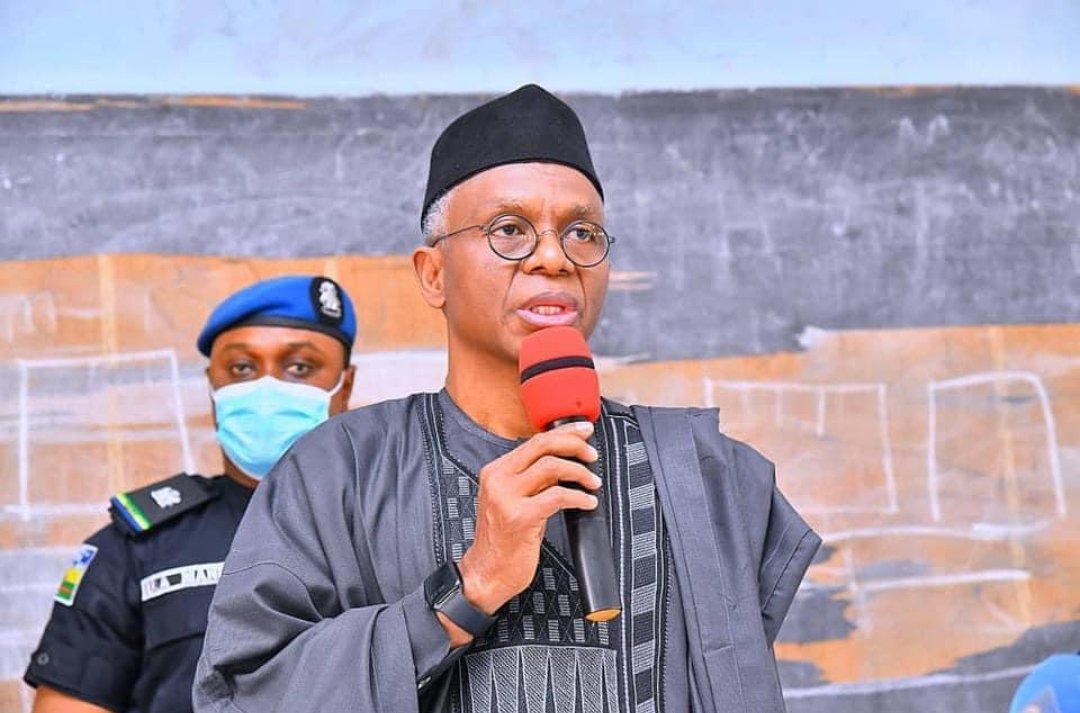
ABUJA — The Supreme Council for Shari’ah in Nigeria (SCSN) has expressed deep concern over the continued detention of the former Governor of Kaduna State, Malam Nasir El-Rufai, cautioning the Federal Government and security agencies against actions that could be perceived as politically motivated persecution.
In an official statement signed by its Secretary-General, Nafiu Baba Ahmad, the Council reminded the authorities that Nigeria remains a constitutional democracy governed by the rule of law, where every citizen—irrespective of political standing—is entitled to fundamental rights and the presumption of innocence.
The SCSN emphasized that the principles of due process, fair hearing, and lawful detention are foundational pillars of national justice that must not be compromised.
”As an organization committed to justice, fairness, and the rule of law, the Supreme Council for Shariah in Nigeria (SCSN) believes that Nigeria operates under a constitutional democracy where the rights and liberties of all citizens must be respected, irrespective of status, political affiliation, or personal disposition,” the statement read.
The Council warned that arbitrary or selective enforcement of the law threatens to erode the public’s confidence in state institutions and damage the foundation of democratic governance.
”The Council therefore wishes to state unequivocally that it does not, under any circumstances, support or condone criminality in any form by anyone.
However, the pursuit of justice must itself be just. Actions perceived as arbitrary, politically motivated, or inconsistent with the rule of law risk undermining public confidence in state institutions and eroding the very fabric of democratic governance,” the statement added.
Safeguarding Institutional Integrity
Directing its appeal to legal and security agencies handling the case, the SCSN urged authorities to remain transparent and act within the strict limits of the Constitution.

”Nigeria’s unity and long-term stability are inextricably tied to the credibility of its institutions and the trust reposed in them by the citizenry. Justice must not only be done but must be manifestly seen to be done.
The consistent, impartial, and lawful application of justice remains the strongest safeguard for national cohesion and sustainable development,” the Council stated.
The Council concluded by appealing to all political stakeholders to exercise maximum restraint, act responsibly, and ensure that all disputes are managed strictly through established legal channels.
The intervention by the Supreme Council for Shari’ah in Nigeria comes amid a prolonged legal battle involving the former Kaduna State Governor.
Malam Nasir El-Rufai has been in the custody of federal authorities following multi-count charges brought against him by anti-graft and security agencies:
ICPC Charges: The Independent Corrupt Practices and Other Related Offences Commission (ICPC) filed a nine-count charge against El-Rufai bordering on alleged abuse of office, fraud, irregular award and execution of public contracts, money laundering, and unlawful handling of public funds during his tenure as governor of Kaduna State.
DSS Investigation: Additionally, the Department of State Services (DSS) filed a separate five-count amended charge alleging the unauthorized interception and recording of telephone conversations involving high-profile government officials, including the National Security Adviser, Nuhu Ribadu.
While trial proceedings and bail conditions remain contentious in court, the SCSN’s intervention highlights growing concerns among civil society, religious leaders, and political observers that administrative and judicial procedures surrounding his remand must remain transparent, impartial, and free from executive overreach.
